Field notes and materia medica
The ChinaAndYou blog
Chinese herbs from the ground up: planting, field growth, harvest and processing, with traditional uses kept separate from modern evidence.
44 field notes
Chinese herbs
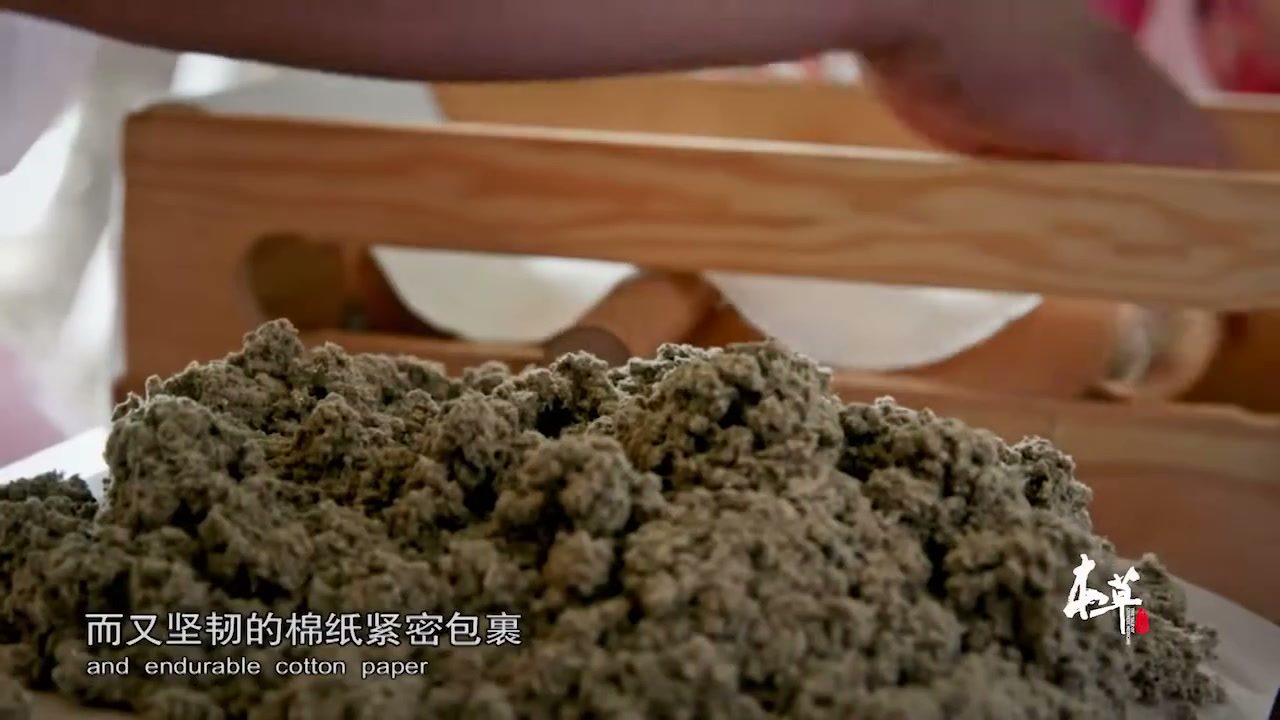
Mugwort leaf (艾叶): field growth, harvest, and patient ageing
How Ai Ye grows in managed fields, is gathered for its aromatic leaves, dried, and aged before use.
Read the article
Chinese herbs
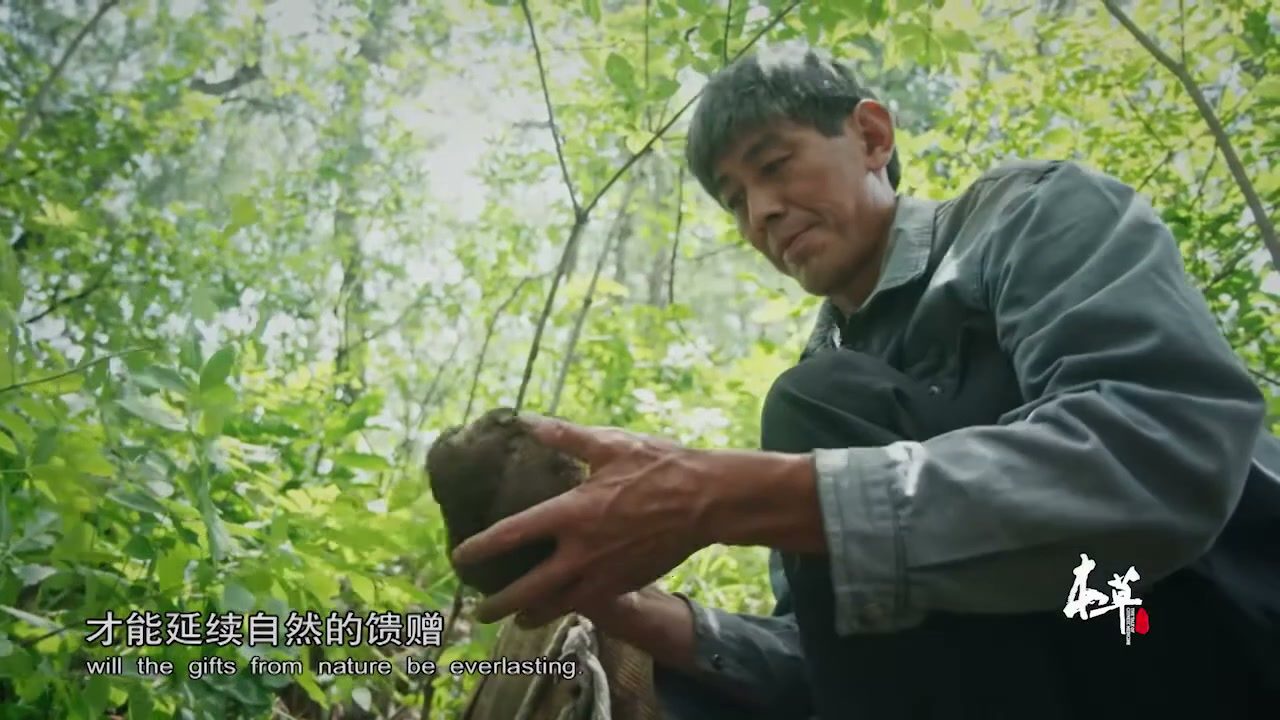
Poria (茯苓): a medicinal fungus formed beneath the soil
How Fu Ling develops around pine wood underground, is dug out, cut, dried, and prepared for storage.
Read the article
Chinese herbs
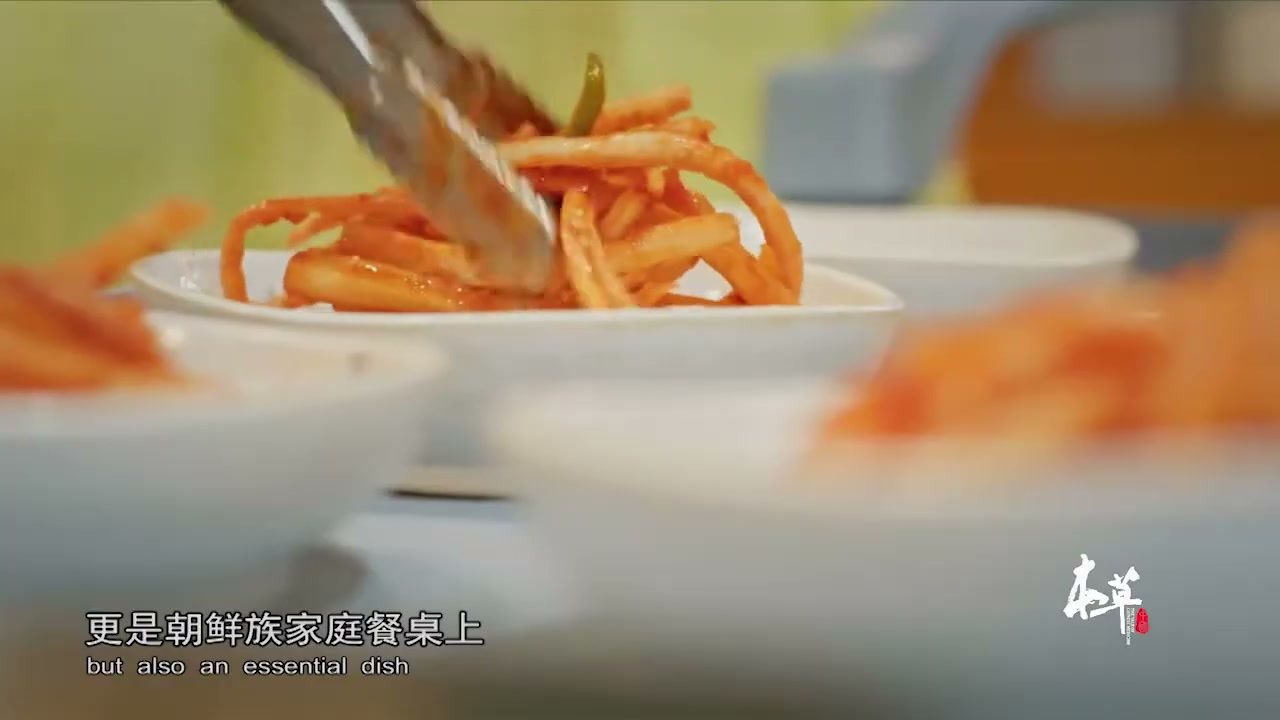
Platycodon root (桔梗): lifting and drying a deep white root
How Jie Geng grows below ground, is harvested without breakage, cleaned, prepared, and dried.
Read the article
Chinese herbs
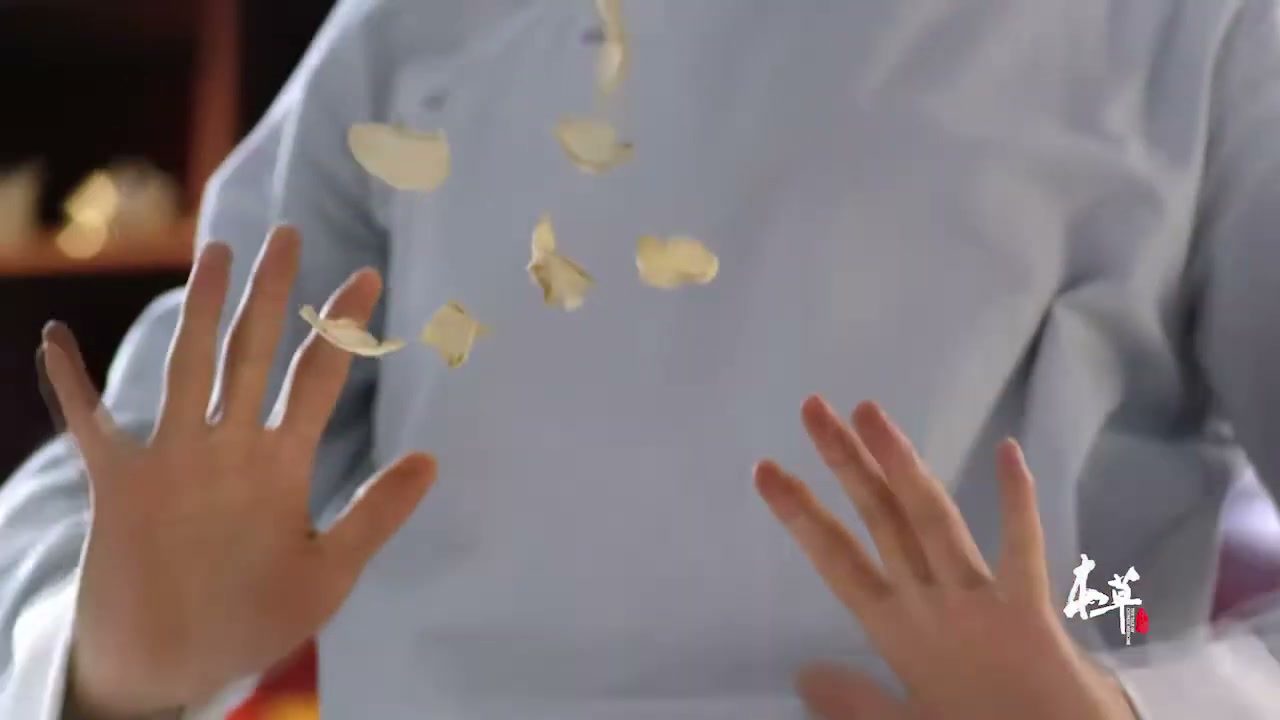
Fresh ginger (生姜): a kitchen rhizome with a separate medicinal identity
How fresh ginger develops underground, is lifted, cleaned, and distinguished from dried or processed ginger.
Read the article
Chinese herbs
Lotus medicines (莲子): one aquatic plant, several harvested materials
How lotus lives in ponds and supplies seeds, receptacles, stamens, leaves, and other distinct medicinal materials.
Read the article
Chinese herbs
Ephedra herb and root (麻黄): two parts with sharply different risks
How Ephedra survives dry landscapes, and why its stems and roots are harvested, processed, and discussed separately.
Read the article
Chinese herbs
Trichosanthes fruit and root (瓜蒌 / 天花粉): one vine, separate medicines
How a climbing Trichosanthes vine produces a large fruit while its underground root becomes a distinct material.
Read the article

Chinese herbs
American cockroach (美洲大蠊): controlled breeding for processed medicine
How American cockroaches are raised in managed colonies and converted into standardized processed extracts.
Read the article
Chinese herbs
Medicinal leech (水蛭): aquatic farming, drying, and bleeding risk
How medicinal leeches live in water, are raised or collected, cleaned, dried, and handled as a high-risk animal medicine.
Read the article
Chinese herbs
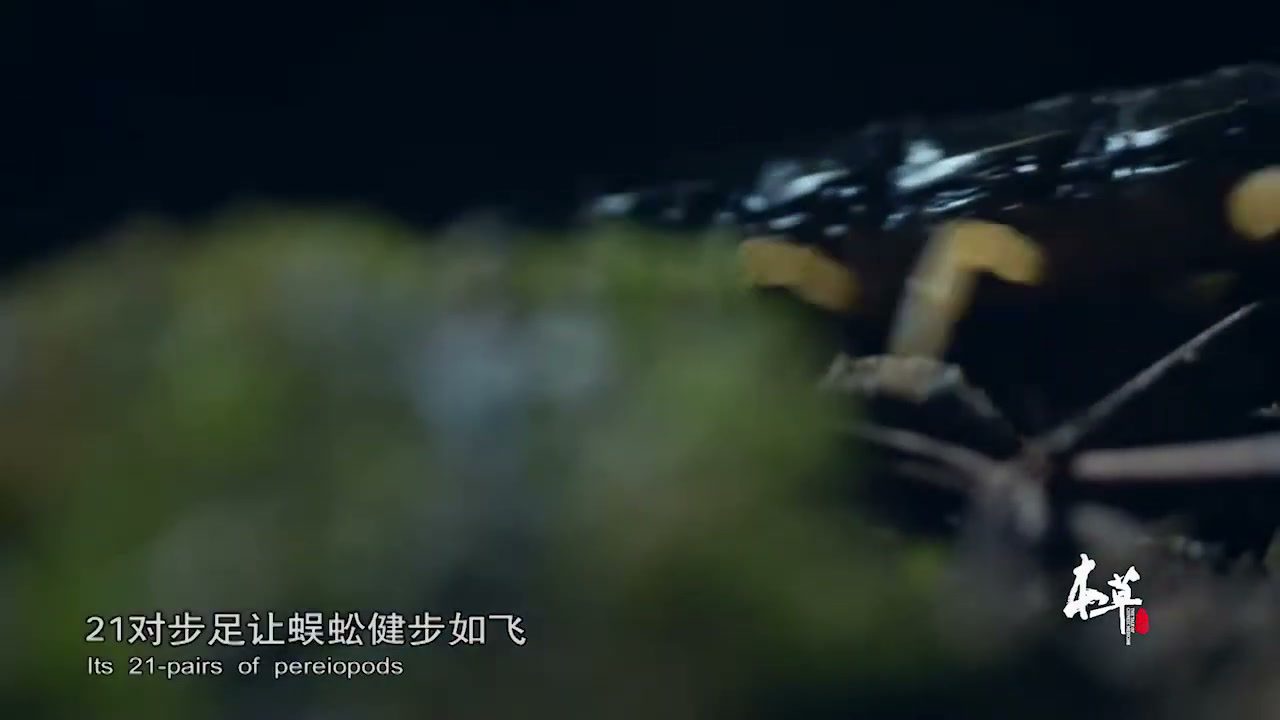
Centipede (蜈蚣): collecting and drying a venomous animal medicine
How medicinal centipedes are found, handled, straightened, and dried—and why venom makes professional control essential.
Read the article
Chinese herbs
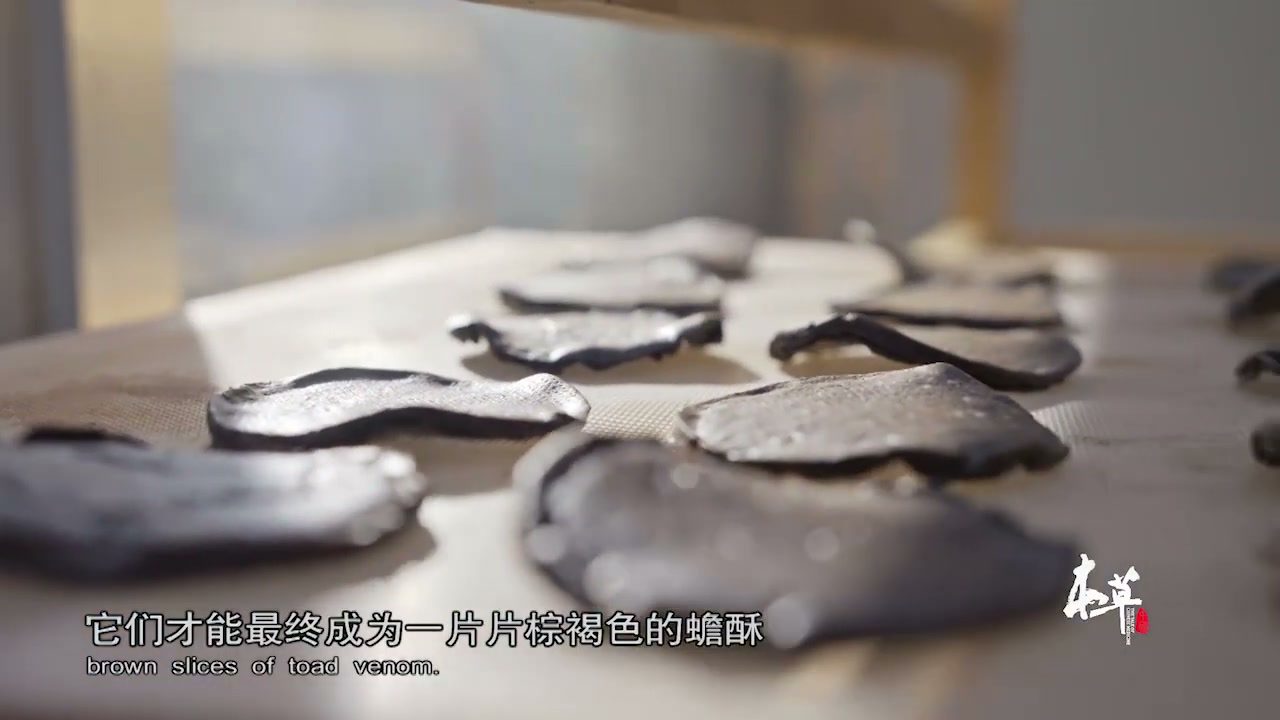
Toad venom (蟾酥): a potent secretion collected under strict control
How Chan Su is collected from toad secretions, dried, graded, and kept within professional medicine because of serious toxicity.
Read the article

Chinese herbs
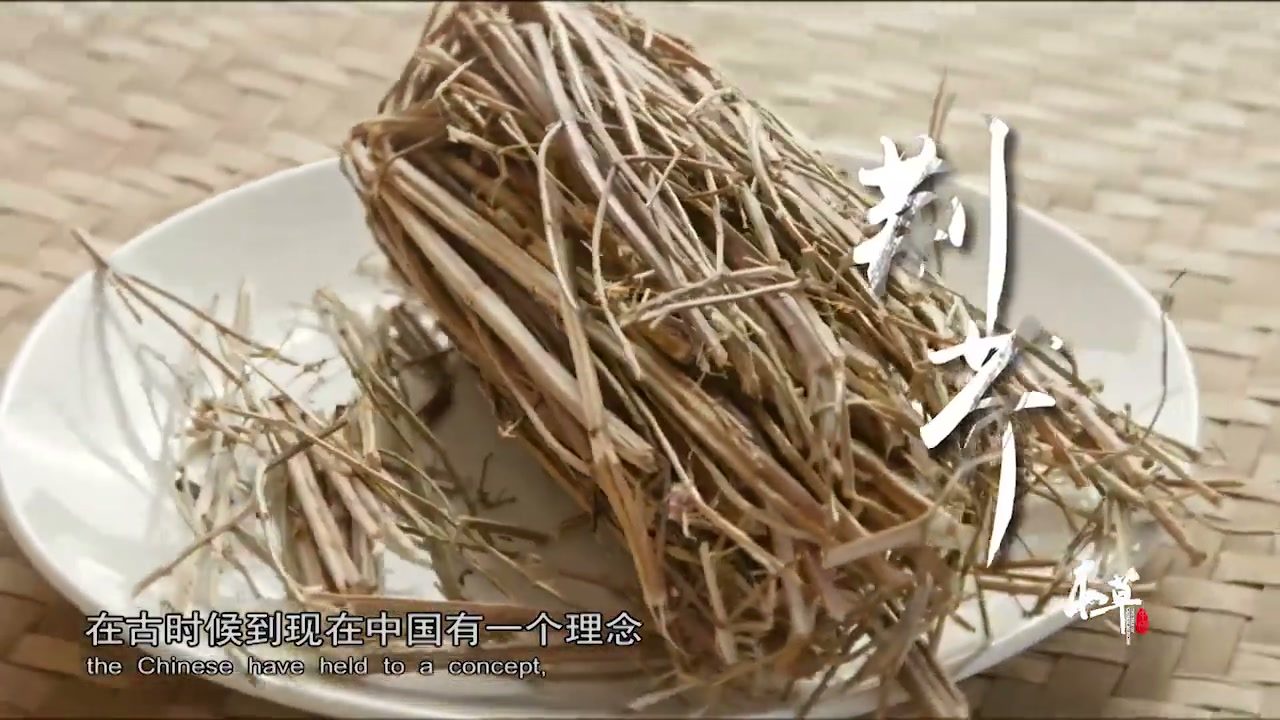
Prepared aconite daughter root (附子): cultivation where processing is critical
How Fu Zi develops beside the mother root, is harvested, repeatedly processed, and kept out of home preparation because raw aconite is highly toxic.
Read the article
Chinese herbs
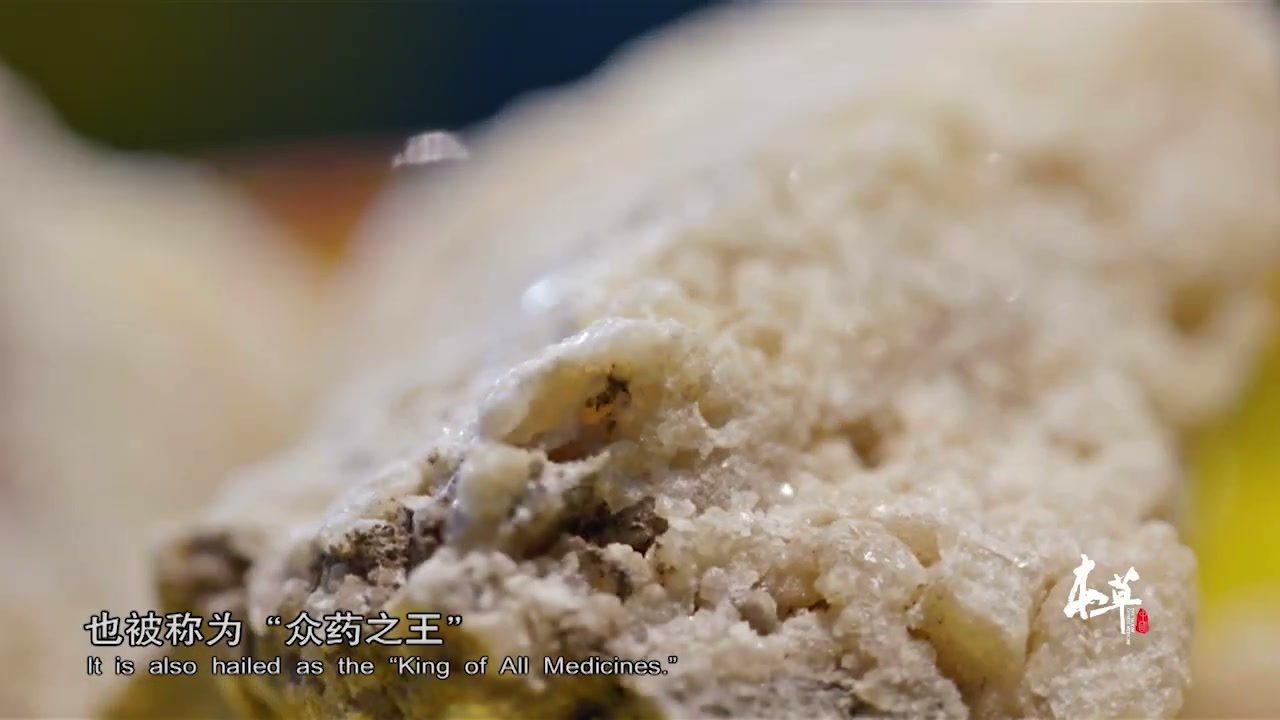
Croton residue, cinnabar, and musk (巴豆霜 / 朱砂 / 麝香): processing high-risk materials
Why defatting, grinding, purification, and formula-making do not make toxic or restricted materials suitable for home use.
Read the article
Chinese herbs
Zuo Tai mercury preparation (佐太): a specialist mineral process, not a household medicine
How a Tibetan mercury-containing preparation is produced through controlled stages and why mercury exposure remains a central safety concern.
Read the article

Chinese herbs
Chinese scorpion and stiff silkworm (全蝎 / 僵蚕): two animal medicines paired in practice
How scorpions and fungus-infected silkworm larvae develop, are collected, dried, and paired under professional control.
Read the article
Chinese herbs
Glossy privet fruit and Eclipta herb (女贞子 / 墨旱莲): a field-and-tree pairing
How black privet fruits and a low annual field herb are harvested separately before being paired in a traditional formula.
Read the article
Chinese herbs
Codonopsis root (党参): a cultivated root that is not ginseng
How Dang Shen grows as a climbing perennial, is lifted and dried, and remains distinct from Ren Shen despite overlapping traditional language.
Read the article
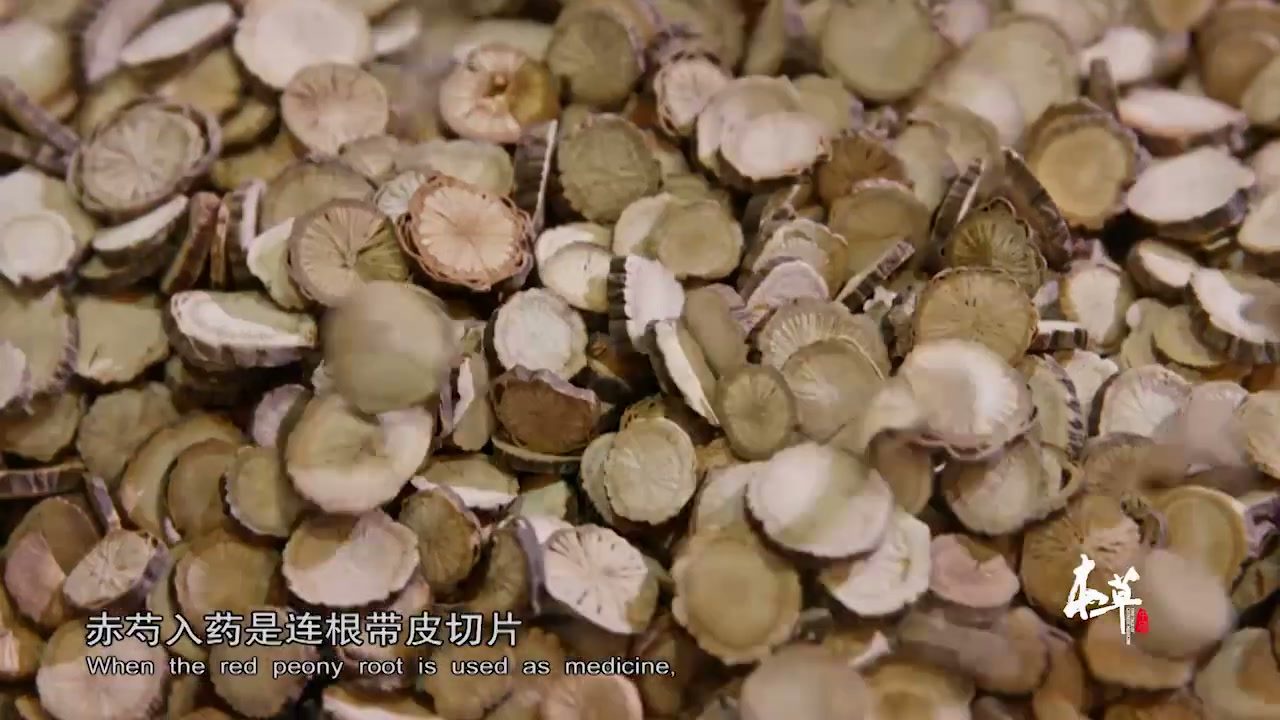
Chinese herbs
Red and white peony root (赤芍 / 白芍): similar plants, different processing
How source, cultivation, bark removal, heating, and drying distinguish two peony-root medicines.
Read the article
Chinese herbs
Cassia seed and abalone shell (决明子 / 石决明): similar names, unrelated sources
How a field-grown legume seed and a marine shell become two entirely different medicinal materials.
Read the article
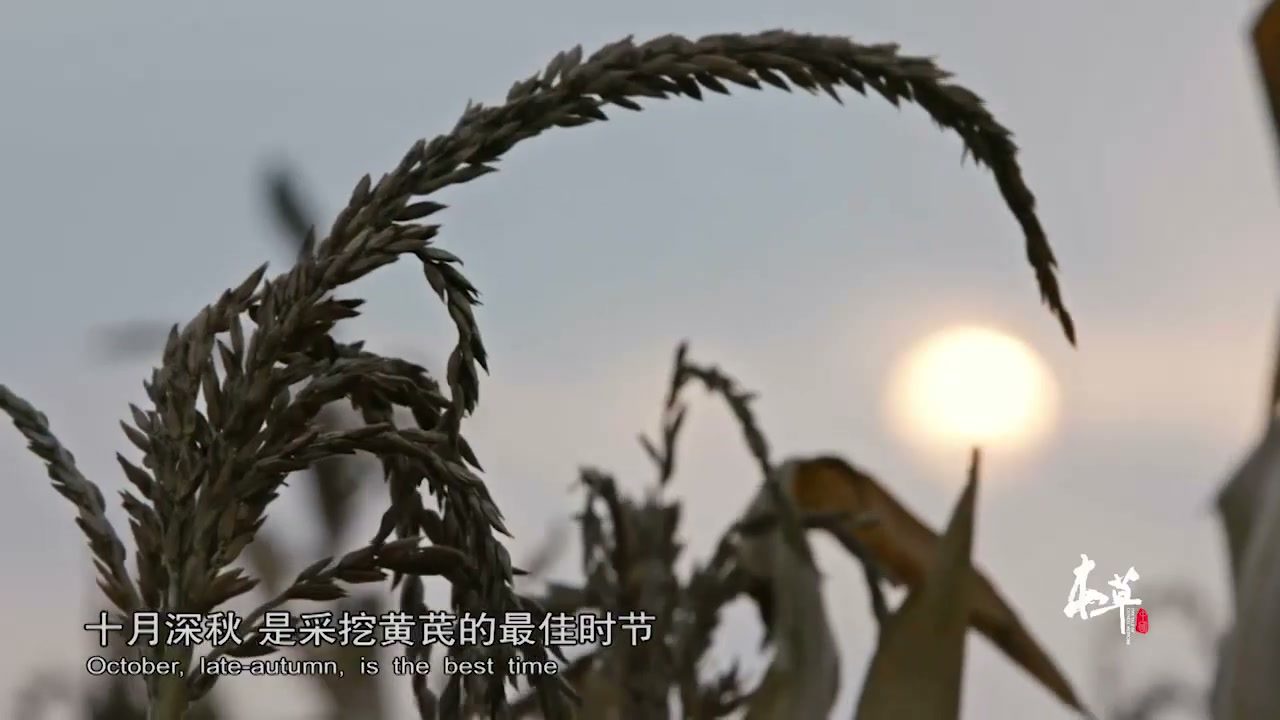
Chinese herbs
Chinese angelica and Astragalus root (当归 / 黄芪): two roots shaped by different climates
How Dang Gui and Huang Qi grow in contrasting Gansu landscapes, are lifted in autumn, dried, sliced, and paired.
Read the article
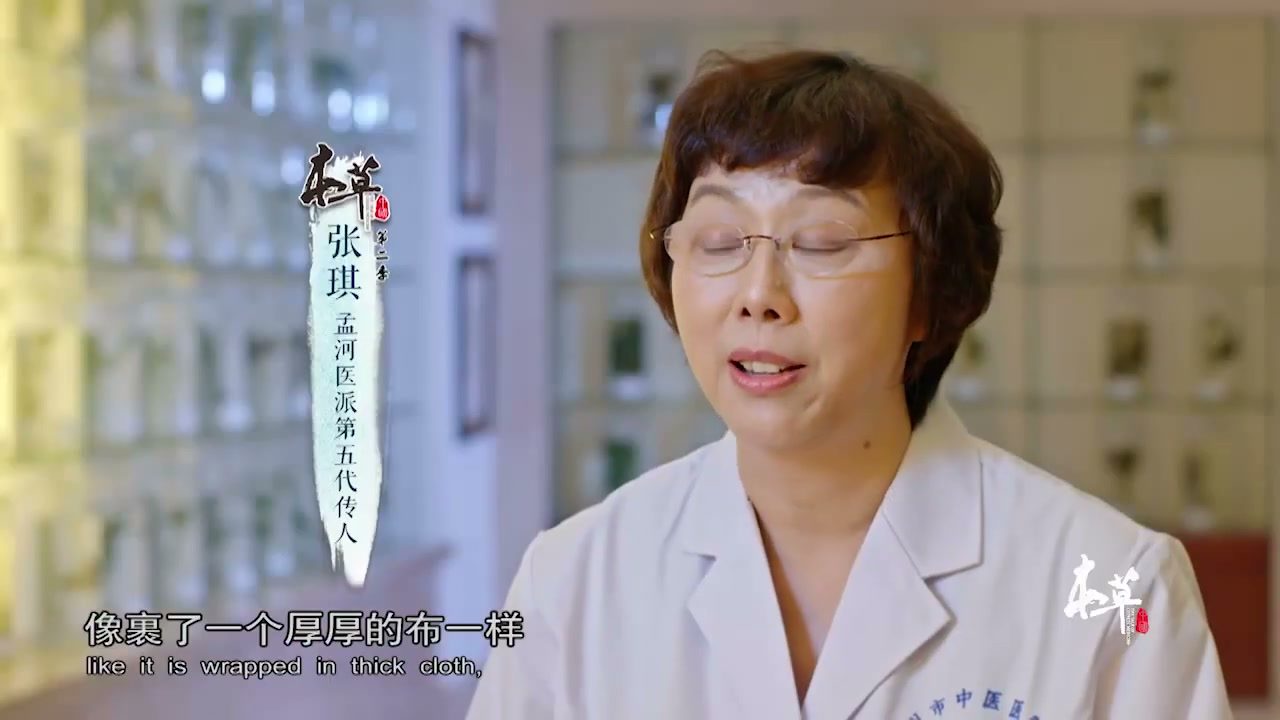
Chinese herbs
Atractylodes lancea and white atractylodes (苍术 / 白术): two rhizomes, two processing paths
How Cang Zhu and Bai Zhu grow, are dug and cleaned, then processed differently before being paired.
Read the article
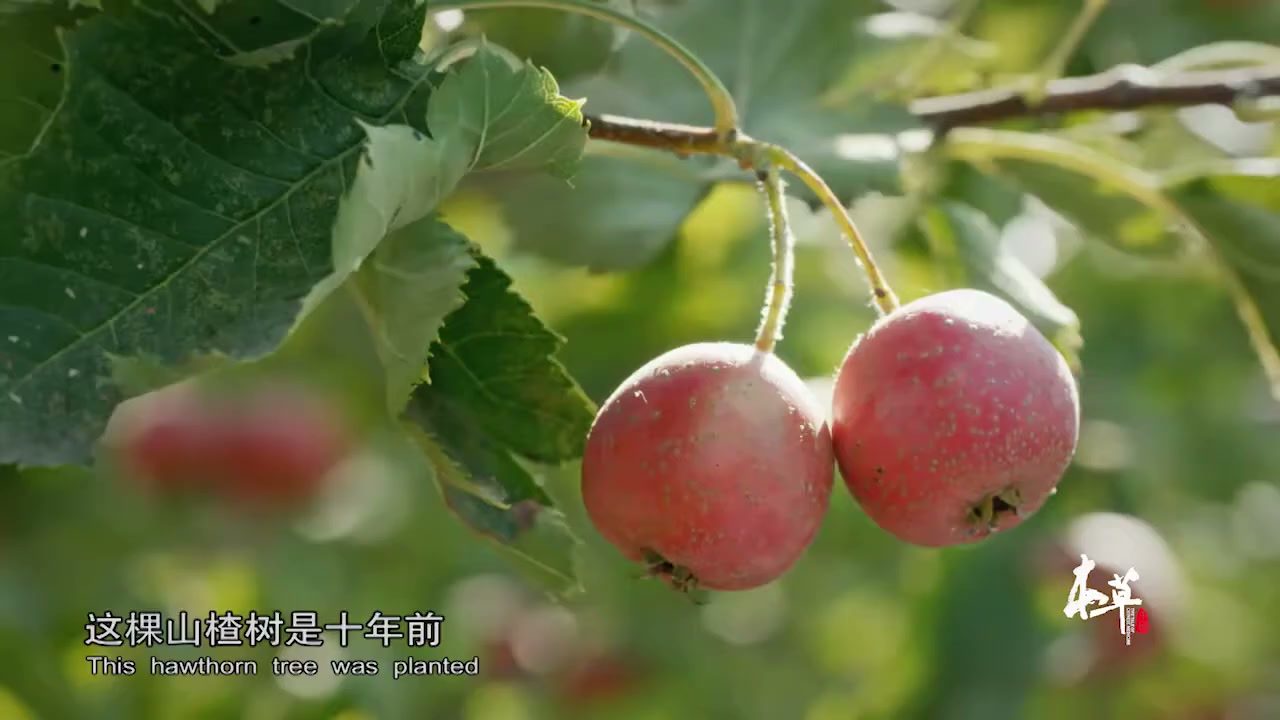
Chinese herbs
Hawthorn fruit (山楂): orchard harvest, slicing, and drying
How Shan Zha ripens on orchard trees, is gathered in autumn, sliced, dried, and sometimes toasted.
Read the article
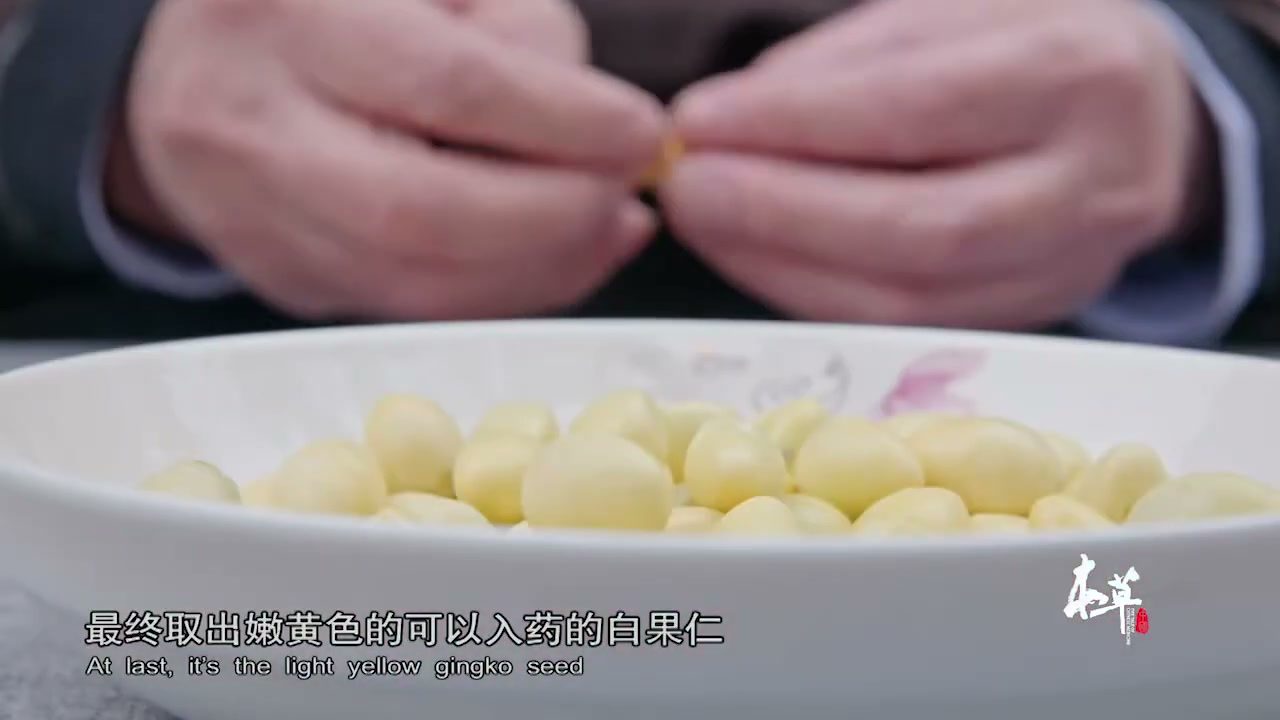
Chinese herbs
Ginkgo seed and leaf (白果 / 银杏叶): one ancient tree, two safety profiles
How ginkgo seeds and leaves are gathered and processed separately, with particular caution around raw seeds and concentrated extracts.
Read the article
Chinese herbs
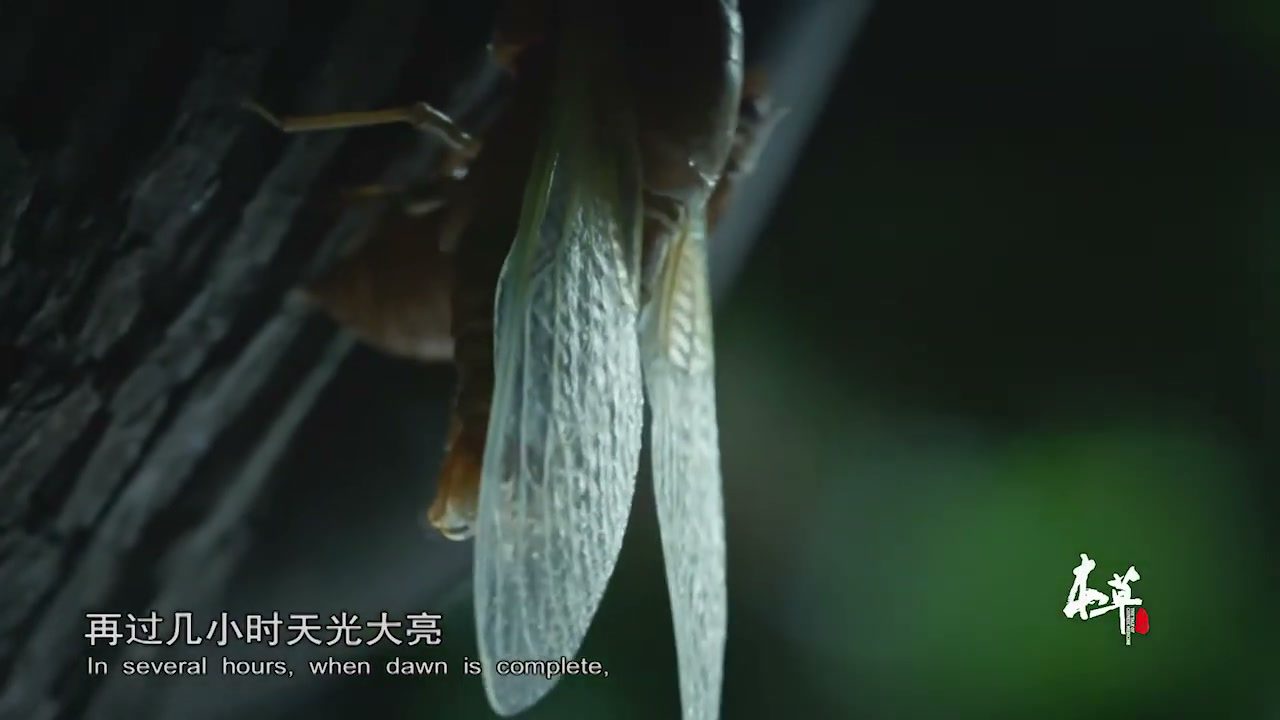
Cicada slough (蝉蜕): collecting an empty shell after emergence
How cicada nymphs leave the soil, shed their exoskeletons, and leave behind the light material known as Chan Tui.
Read the article
Chinese herbs
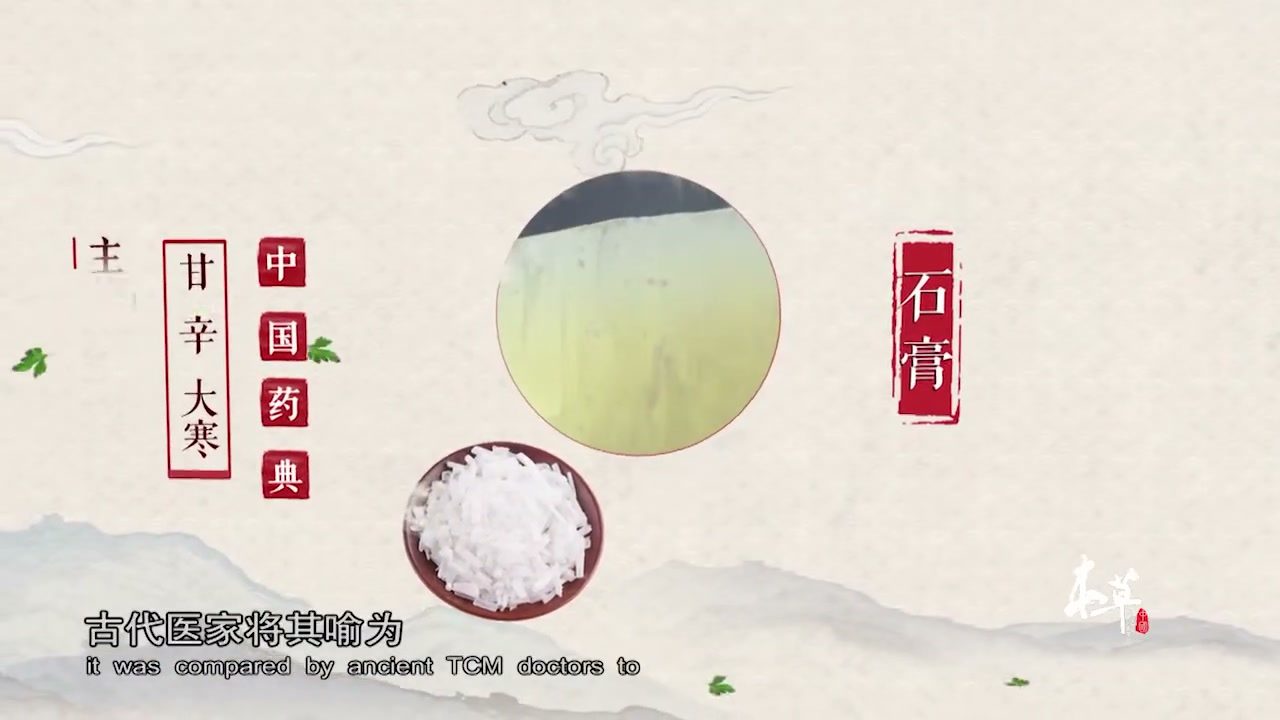
Gypsum (石膏): mining, crushing, and distinguishing a mineral medicine
How medicinal gypsum is obtained from mineral deposits, cleaned, crushed, and kept distinct from calcined material and construction products.
Read the article
Chinese herbs
Pinellia tuber (半夏): why raw tubers require controlled processing
How Ban Xia grows as a small tuber crop and is transformed into distinct prepared forms without making home processing acceptable.
Read the article
Chinese herbs
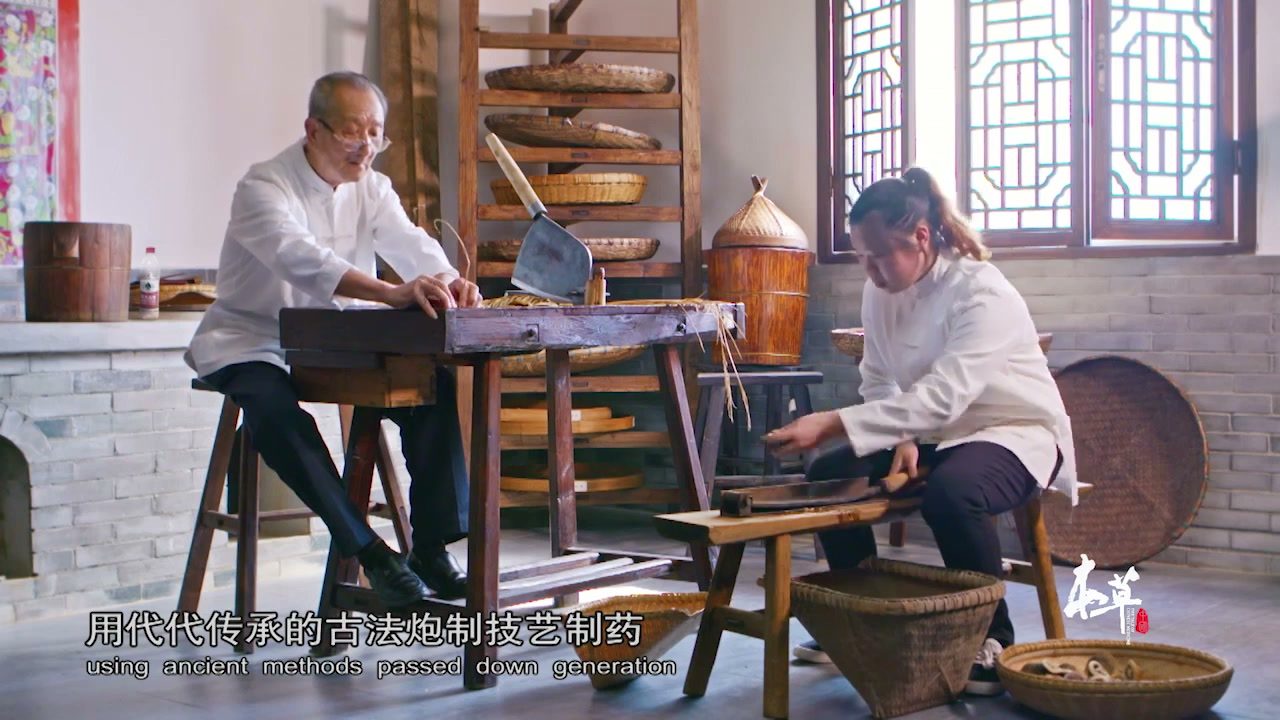
Immature and mature bitter orange (枳实 / 枳壳): harvest timing creates two medicines
How the same citrus crop becomes Zhi Shi or Zhi Ke according to fruit age, size, slicing, and drying.
Read the article
Chinese herbs
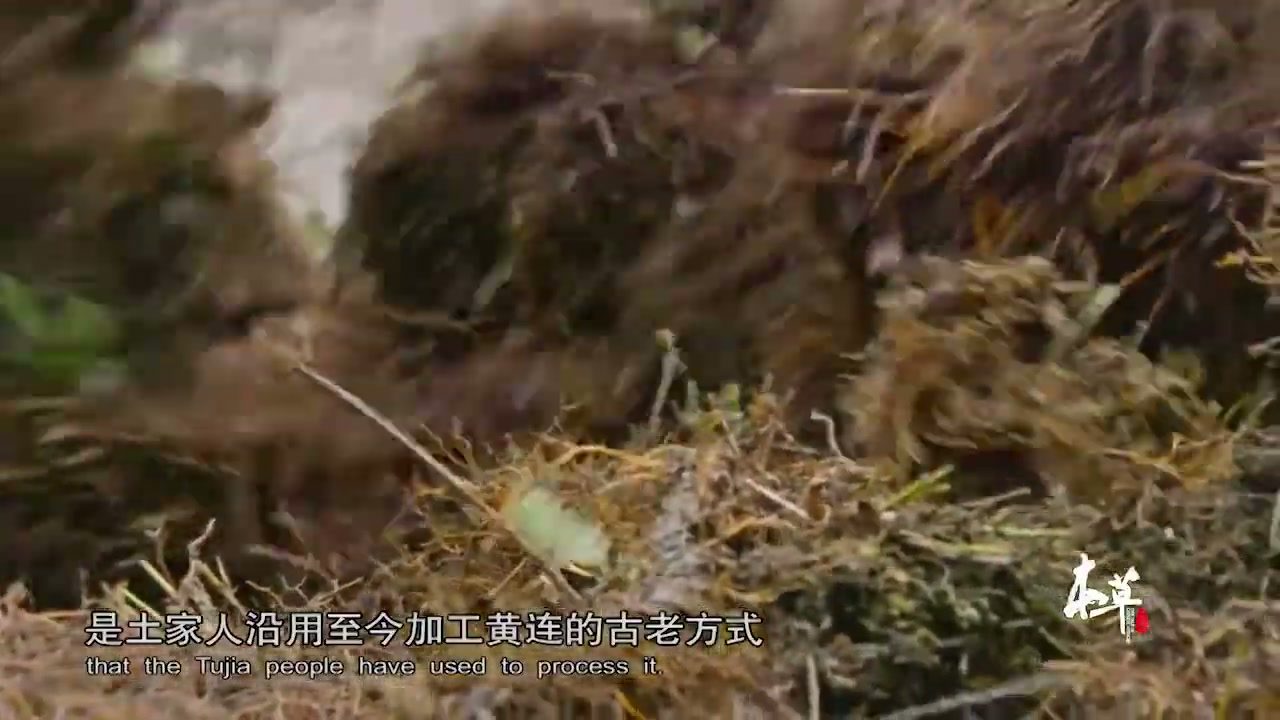
Chinese goldthread (黄连): five years in shade before harvest
How Huang Lian is cultivated for years on shaded mountain plots, lifted, fire-dried, and cleaned root by root.
Read the article
Chinese herbs
Donkey-hide gelatin (阿胶): traceable hides, long boiling, and concentration
How E Jiao is made from cleaned donkey hide through extraction and concentration, with sourcing and evidence kept in view.
Read the article
Chinese herbs
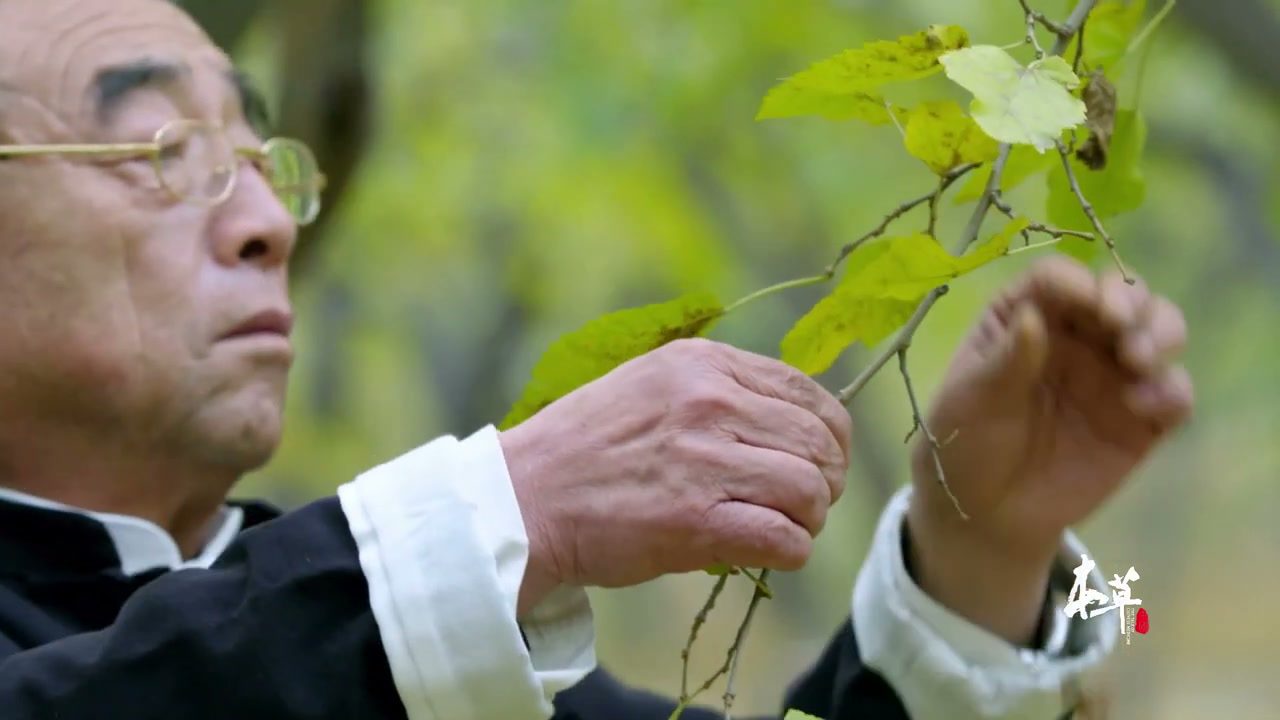
Mulberry leaf (桑叶): frost, harvest, and drying
How mulberry leaves are seasonally harvested and dried for the Chinese medicinal material Sang Ye.
Read the article
Chinese herbs
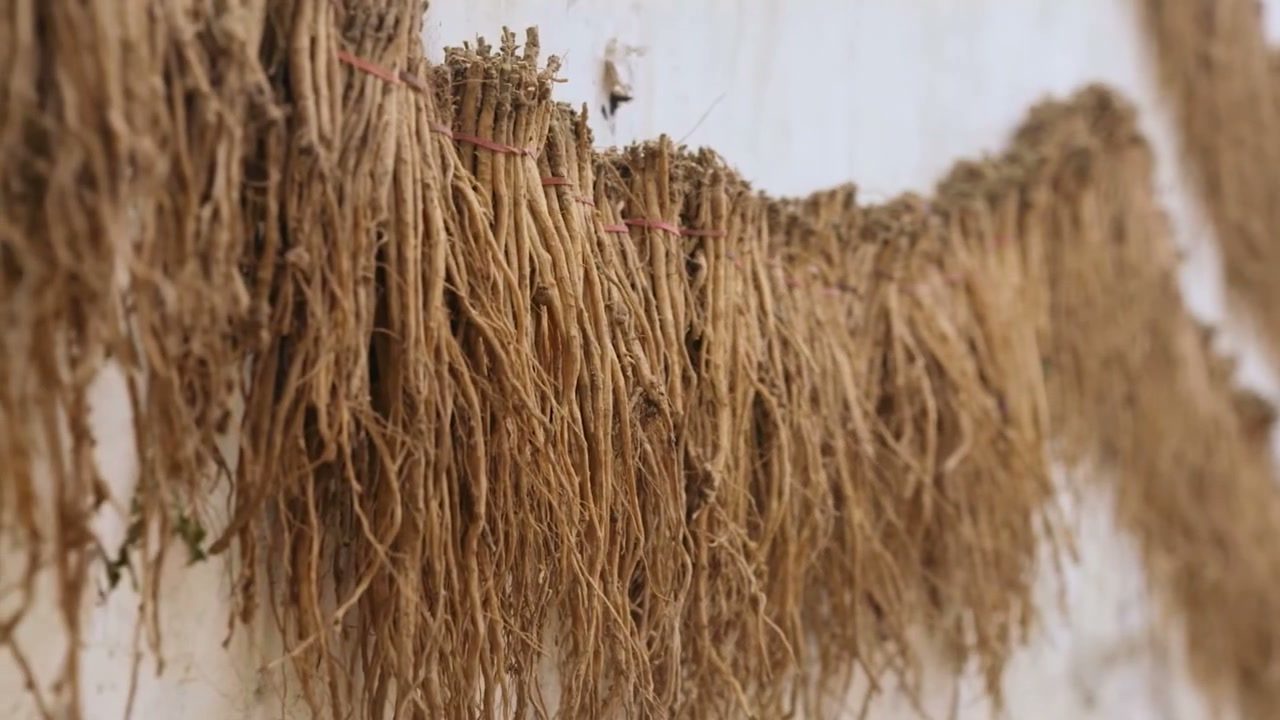
Niu Xi (牛膝): from cultivated field to dried medicinal root
How Niu Xi grows, is harvested and processed, and is traditionally used for particular symptom patterns.
Read the article
Chinese herbs
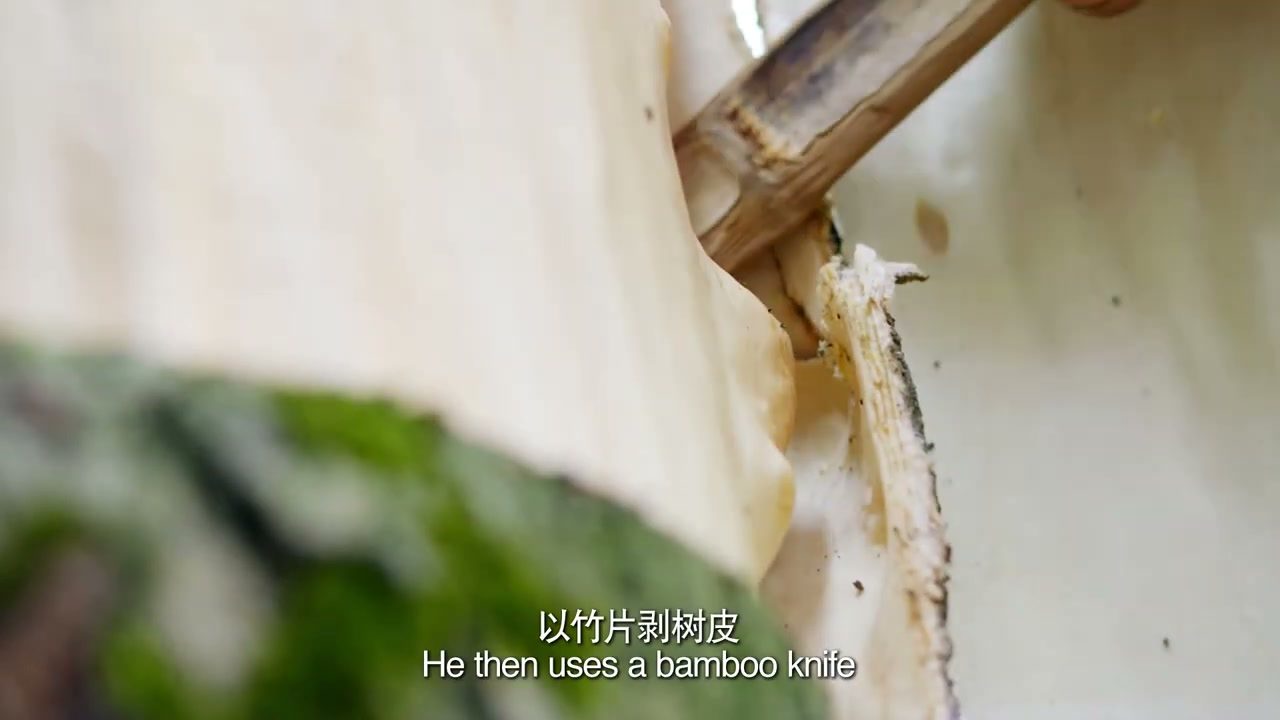
Eucommia bark (杜仲): harvesting bark without losing the tree
How Du Zhong bark grows, is carefully removed, flattened, and dried for traditional use.
Read the article
Chinese herbs
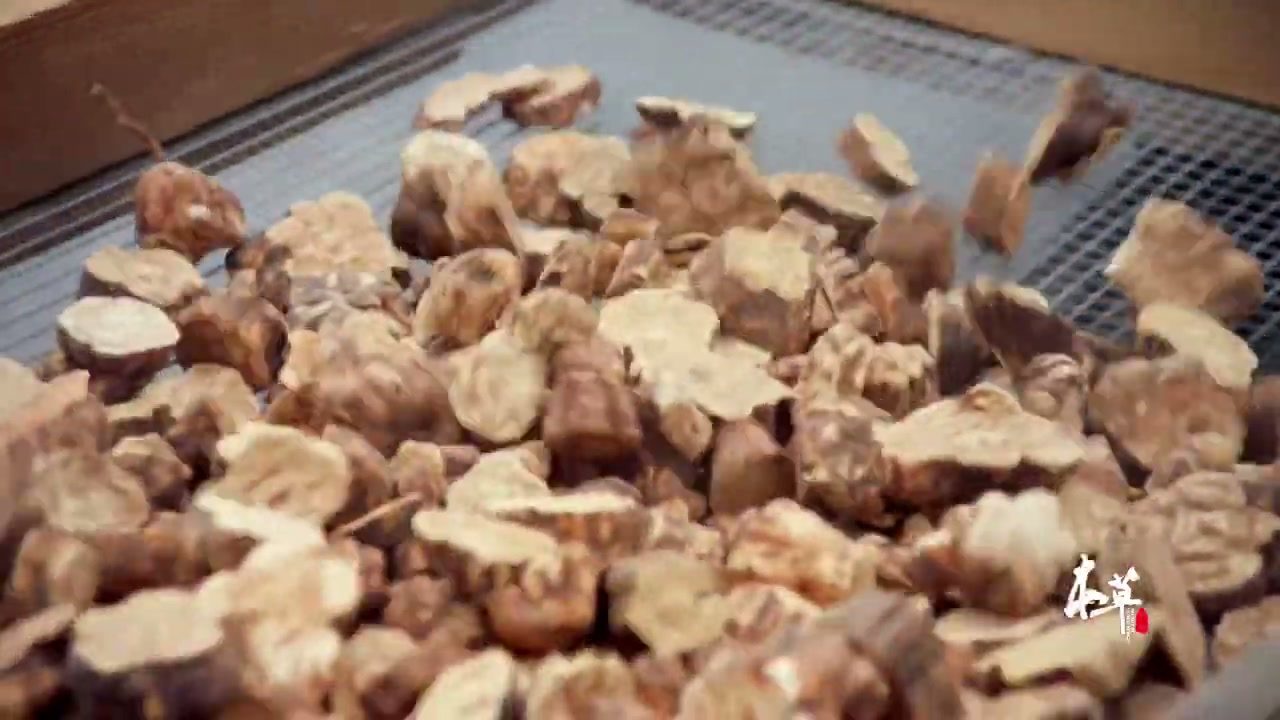
Fleeceflower root (何首乌): from wild tuber to prepared root
How He Shou Wu is found, sliced, dried, and traditionally processed—and why raw and prepared forms must not be confused.
Read the article
Chinese herbs
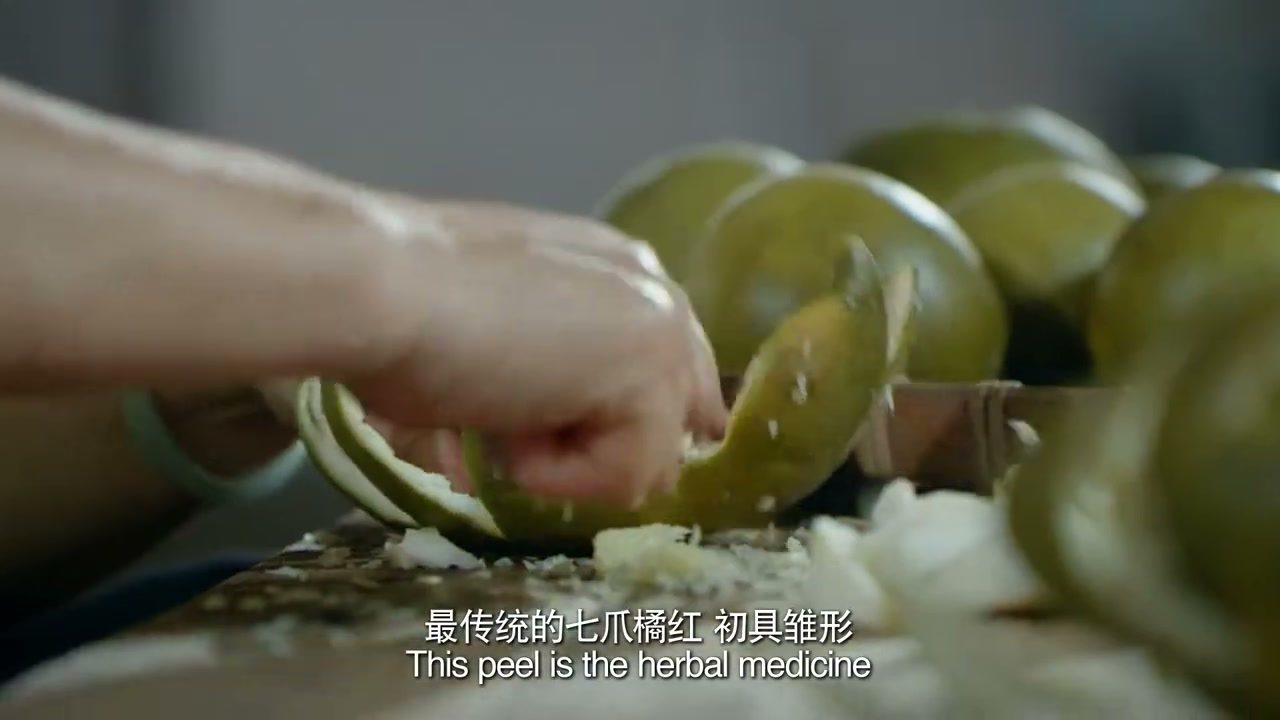
Pummelo peel (化橘红): an orchard medicine shaped by place
How the fuzzy pummelo fruit used for Hua Ju Hong is cultivated, harvested, cut, and dried.
Read the article
Chinese herbs
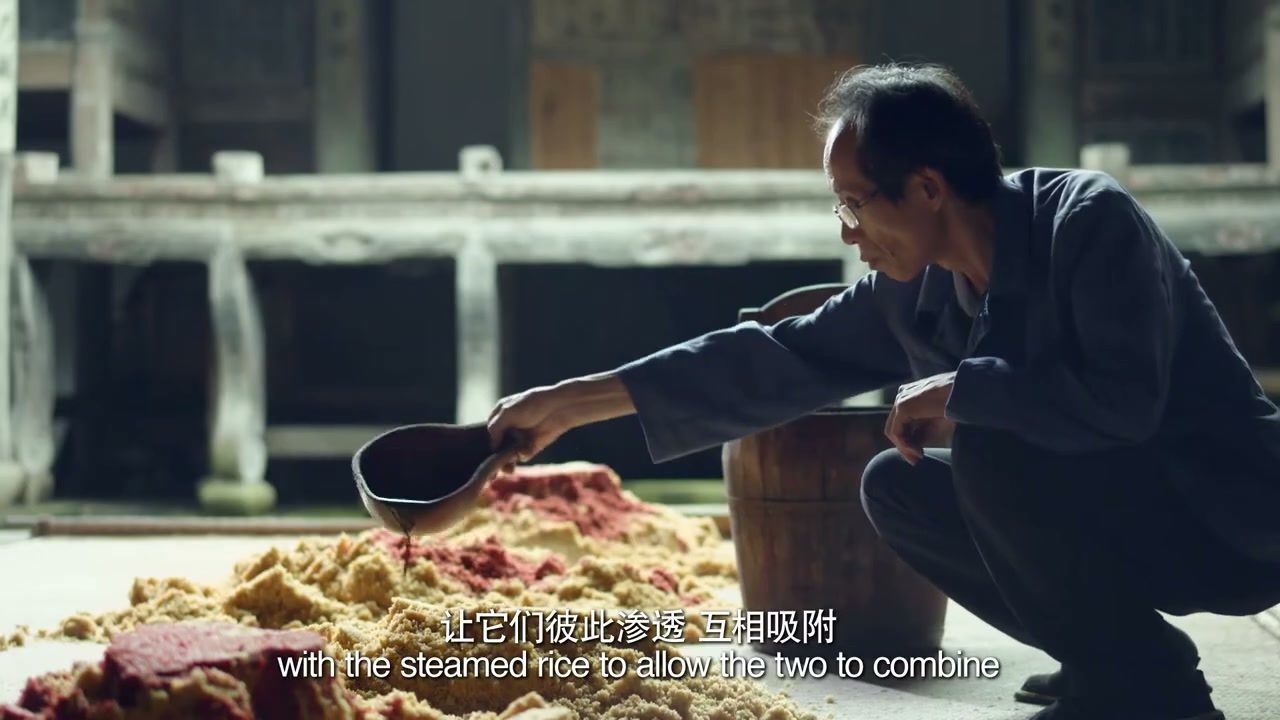
Red yeast rice (红曲): fermentation, colour, and medicine
How steamed rice is inoculated, fermented, watched by hand, and sun-dried into Hong Qu.
Read the article
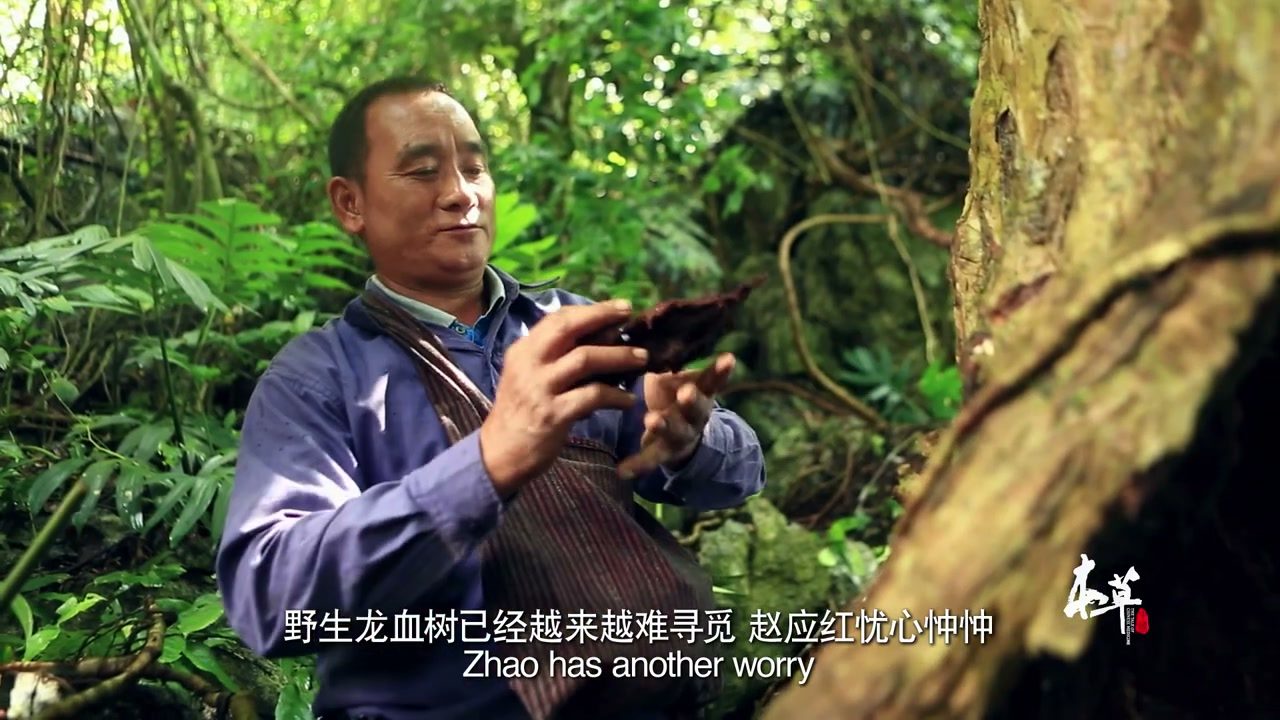
Chinese herbs
Dragon tree resin (龙血竭): finding and extracting a red tree resin
How resin-bearing dragon trees are located, protected, and processed into the material known as Long Xue Jie.
Read the article
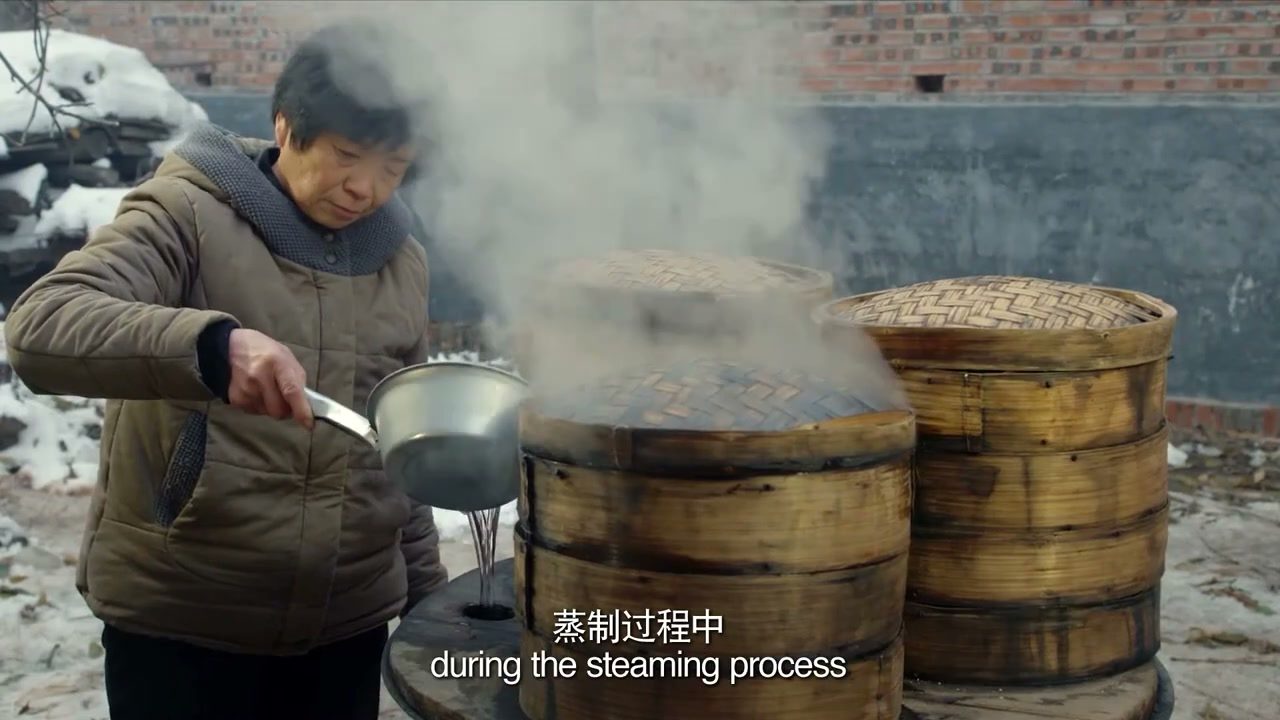
Chinese herbs
Prepared rehmannia root (熟地黄): washing, steaming, and drying
How Di Huang root is repeatedly moistened, steamed, and dried into the dark prepared material Shu Di Huang.
Read the article
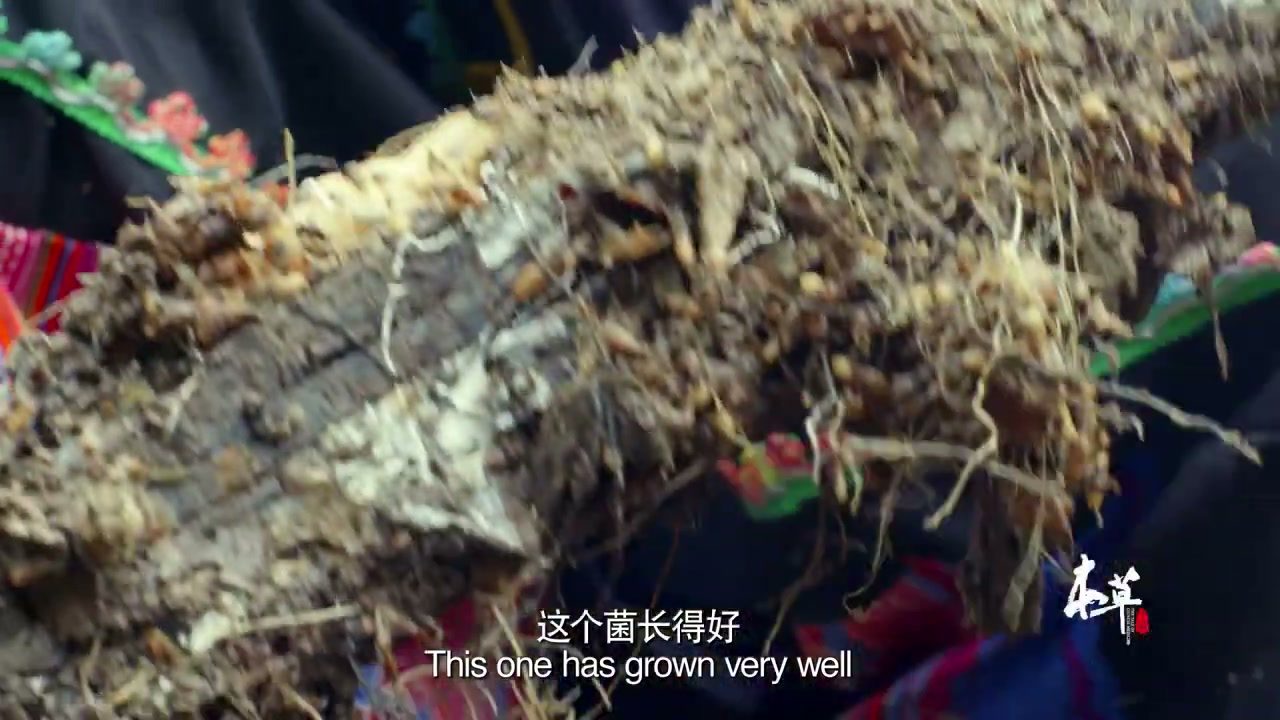
Chinese herbs
Gastrodia tuber (天麻): an orchid grown with fungi
How the leafless orchid Tian Ma depends on fungi, is harvested underground, and reaches the kitchen and pharmacy.
Read the article
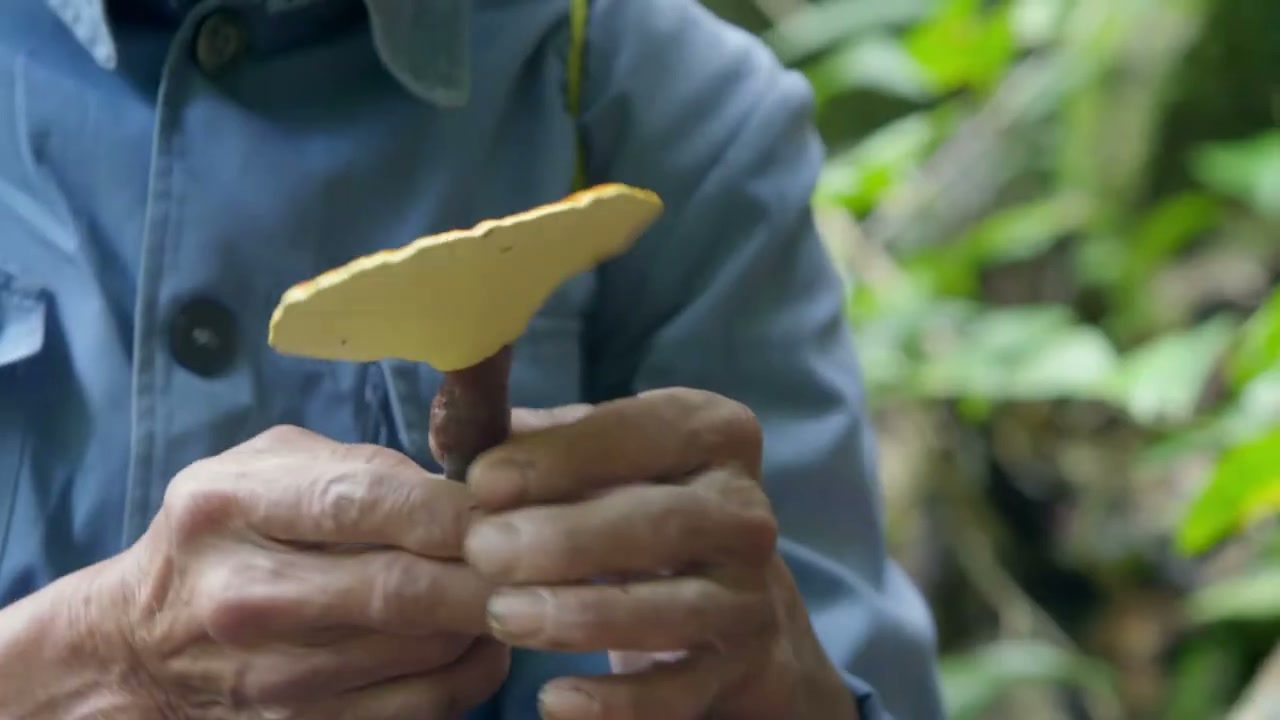
Chinese herbs
Reishi mushroom (灵芝): from wild logs to managed cultivation
How Ling Zhi fruits on wood, releases spores, and can be cultivated instead of repeatedly hunted in the wild.
Read the article
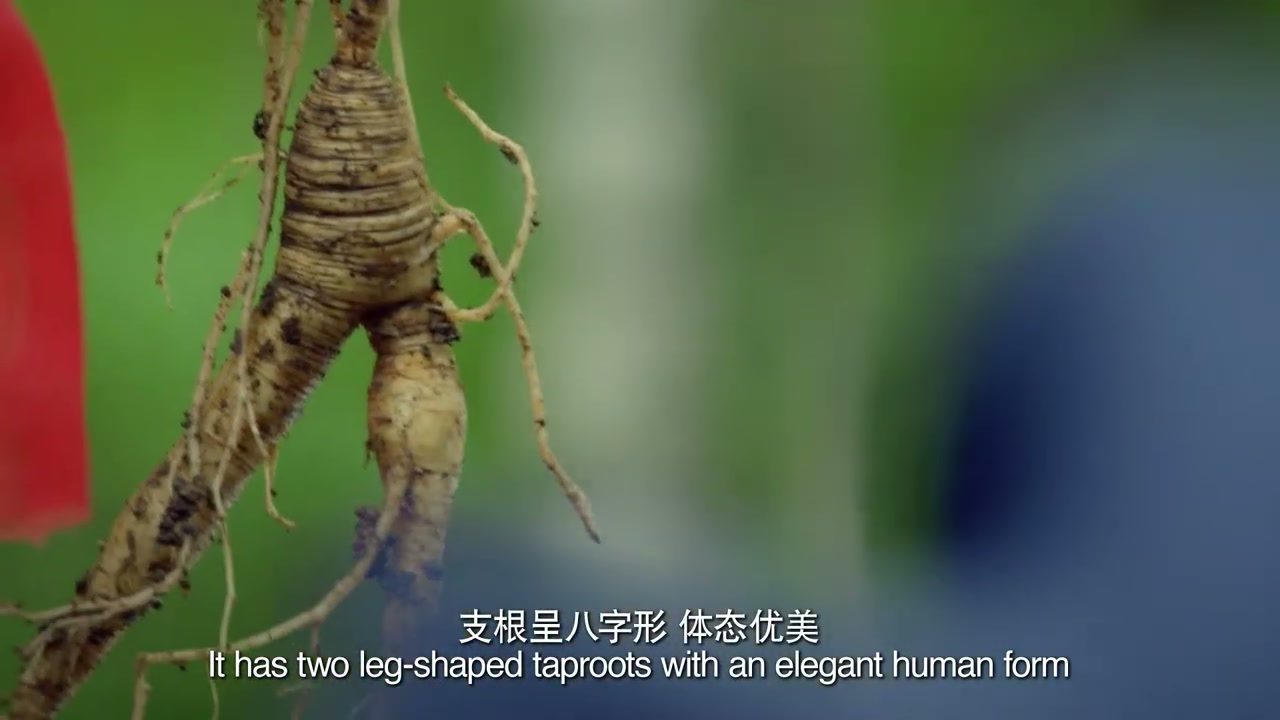
Chinese herbs
Asian ginseng (人参): the patient work of lifting a wild root
How Ren Shen grows beneath forest cover and why harvesting its fine roots can take hours.
Read the article
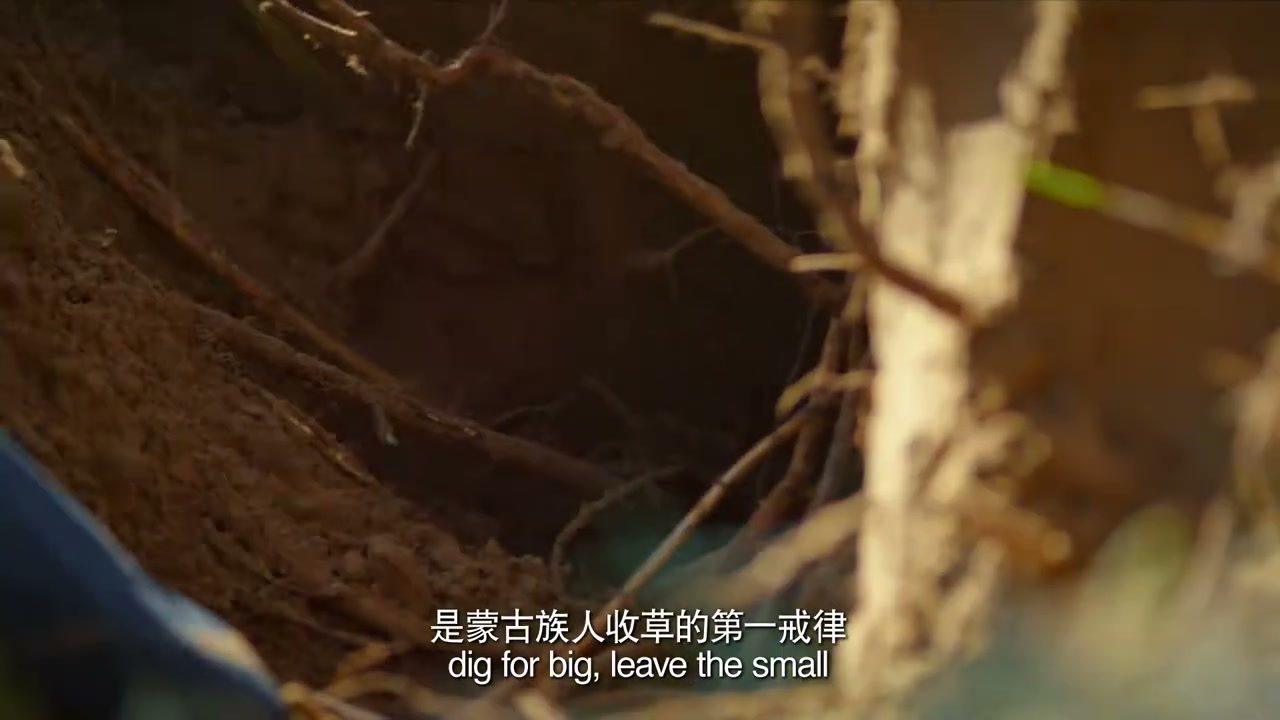
Chinese herbs
Licorice root (甘草): deep roots and restrained harvesting
How Gan Cao survives dry grassland, develops long roots, and is harvested with attention to regrowth.
Read the article
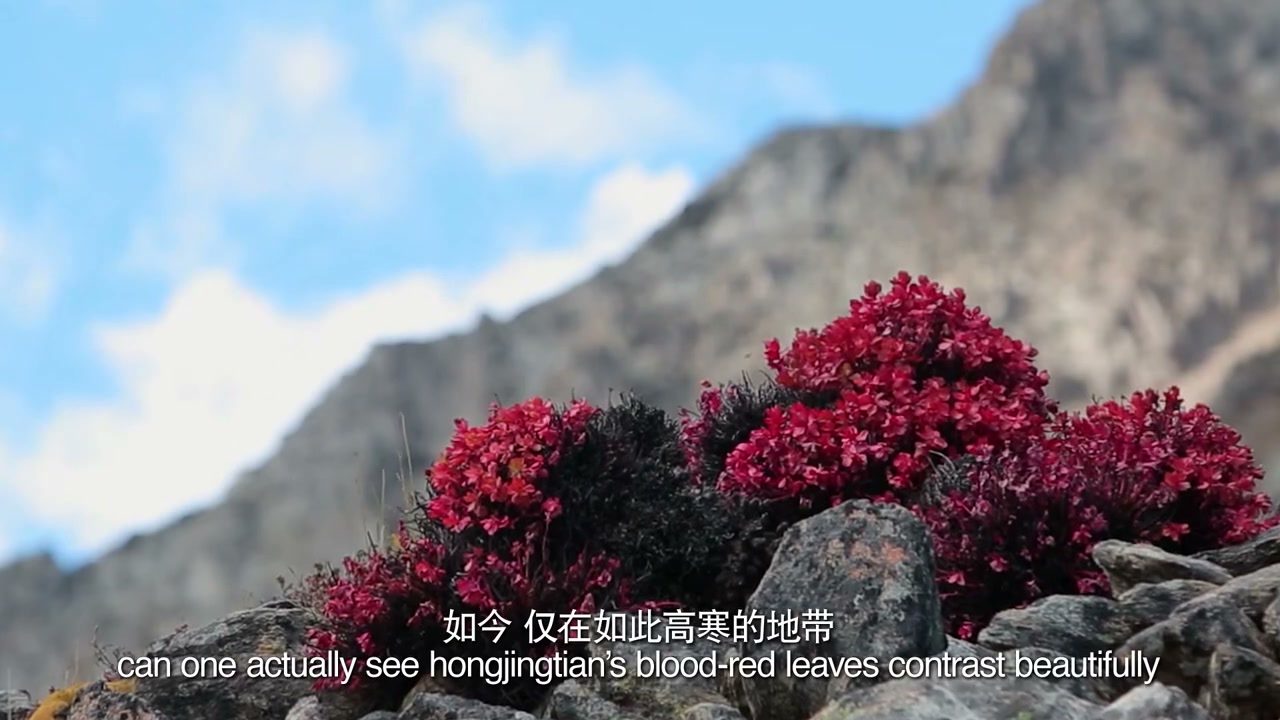
Chinese herbs
Rhodiola root (红景天): restoring a high-altitude medicinal plant
How Hong Jing Tian grows on the Tibetan Plateau and why collectors are turning toward propagation and replanting.
Read the article
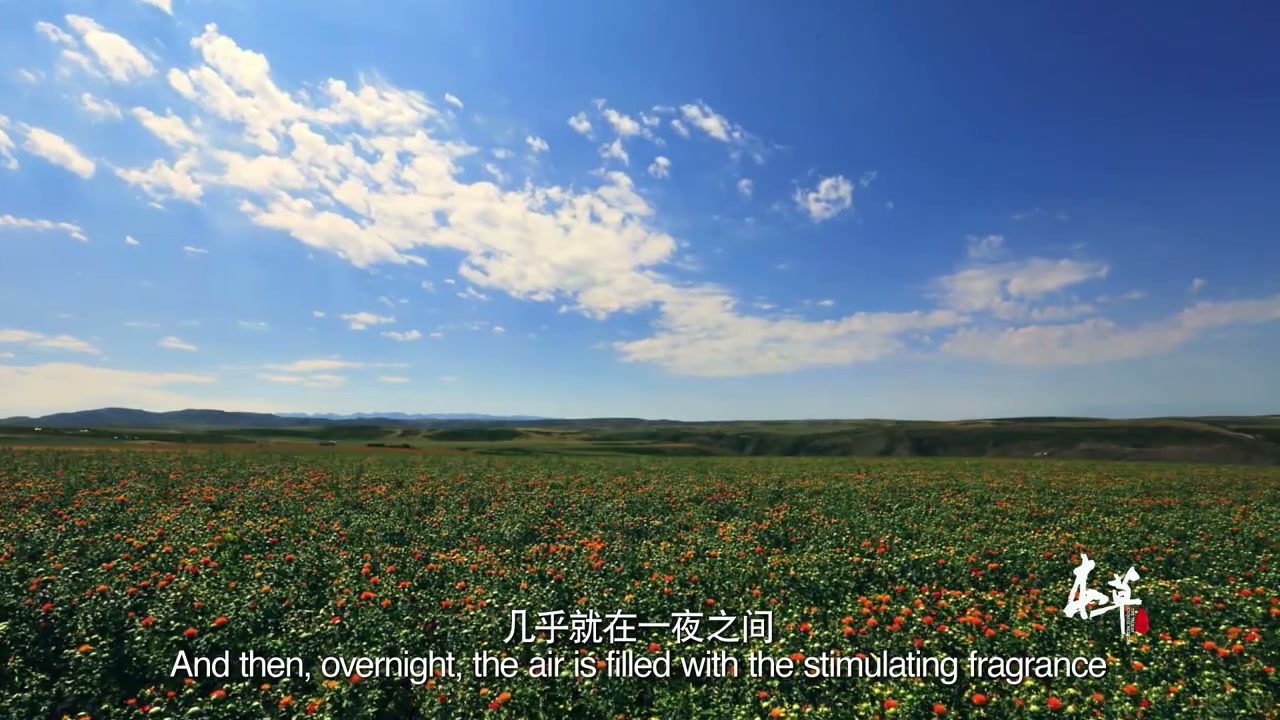
Chinese herbs
Safflower (红花): a dawn harvest in Xinjiang
How safflower is grown and hand-picked during its narrow flowering window for the medicinal material Hong Hua.
Read the article
Chinese herbs
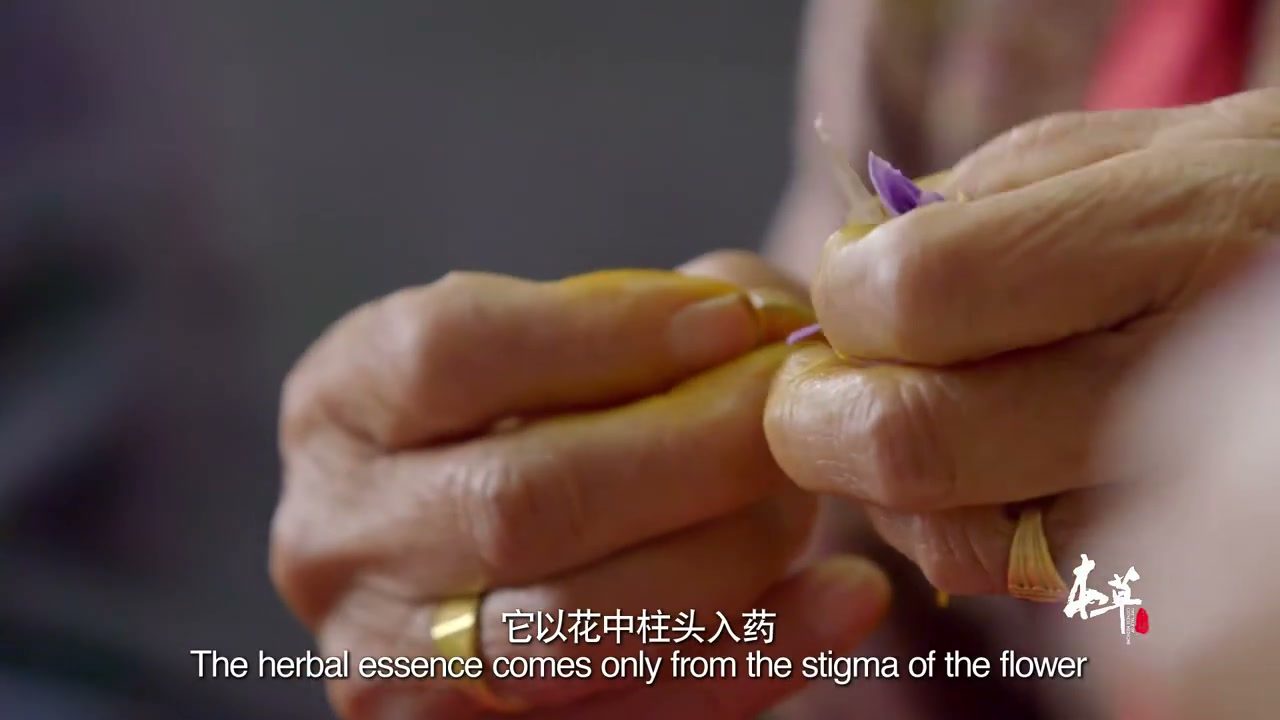
Saffron (藏红花): flowers, stigmas, and careful drying
How saffron crocuses are cultivated near Shanghai and hand-processed into the medicinal spice Zang Hong Hua.
Read the article


Tell us what you would like help with
It takes a couple of minutes. Nothing is booked and nothing is charged — a person reads it and writes back within 24 hours.