Chinese herbs ·
Mulberry leaf (桑叶): frost, harvest, and drying
Mulberry leaf is the material known as sāng yè in Chinese medicine. Its identity and quality are shaped by where it grows, when it is collected, and the processing that follows harvest.
The material and its source
Mulberry leaf comes from Morus alba L., in the Moraceae family. The medicinal material is the dried leaf.
White mulberry is a long-lived deciduous tree cultivated across much of China. Established trees and managed groves can supply leaves for different purposes while the trees remain in production.
Harvest
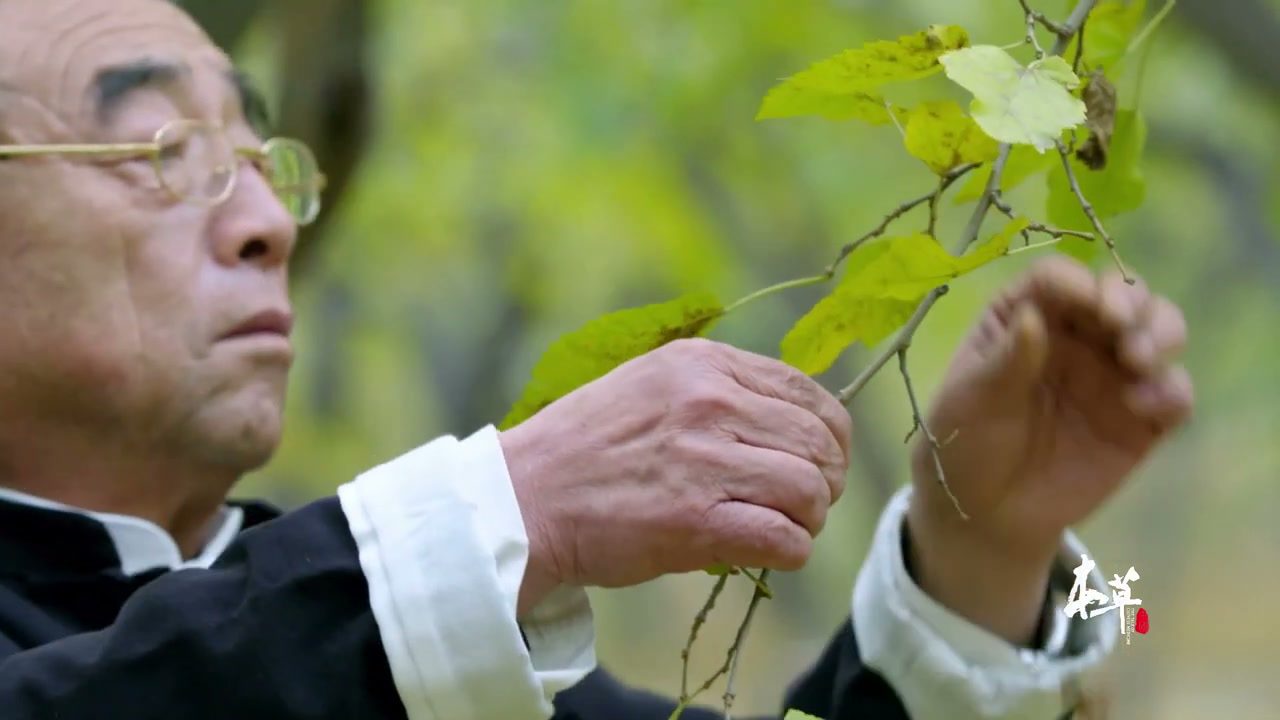
Leaves intended as Sang Ye are traditionally gathered after autumn frost. The timing matters because mature, frost-exposed leaves differ from the tender leaves collected earlier for food or silkworm raising.
Processing
Collectors sort the leaves, remove coarse debris, and dry them promptly. Careful drying preserves the leaf while limiting dampness, mould, and excessive darkening before storage.
Traditional uses and symptom patterns
Traditional formulas use Sang Ye for patterns described with feverish colds, dry cough, headache, or red and uncomfortable eyes. These are historical pattern descriptions rather than evidence that the leaf treats a reader's symptoms.
What modern research has examined
Small human trials have examined standardized mulberry-leaf extracts for post-meal glucose responses, while much of the wider literature remains laboratory or animal research. Extract composition, dose, and study populations vary, so the results do not establish Sang Ye as a treatment for diabetes or other conditions.
Safety and interactions
Food use does not establish the safety of concentrated extracts. Because some studied extracts affect post-meal glucose, people using glucose-lowering medicines should seek clinical advice before combining them. Pregnancy, breastfeeding, interaction, and long-term-use data remain insufficient.
Sources
- Guarding the two thousand years of medicine garden | DO-ING documentary | CHI-ENG sub
The Tale of Chinese Medicine Official Channel · Cultivation, harvest, processing footage, and traditional-use descriptions.
- Impact of mulberry leaf extract on type 2 diabetes (Mul-DM): a randomized, placebo-controlled pilot study
Complementary Therapies in Medicine · Small human study used to limit, not generalize, glucose-related claims.
- Safety evaluation of mulberry leaf extract: acute, subacute toxicity and genotoxicity studies
Regulatory Toxicology and Pharmacology · Preclinical extract-safety evidence and its limits.
