How the day runs
How a TCM outpatient visit works
A TCM visit in mainland China is an ordinary outpatient appointment, not a staged tour. It happens in real medical buildings — public hospital departments and private clinics. What feels unfamiliar is rarely the treatment room. It is the desk at the start, the waiting, and the speed of the conversation once your number is called.
A genuine clinic, not a spa booking
Locals use these departments the way they use any other outpatient clinic: they take a number, wait, see the practitioner, pay, and get on with the day. If you arrive expecting dim lighting, music or a quiet courtyard you will be looking at the wrong thing. The rooms are practical, brightly lit, and efficient.
That authenticity is the point. Traditional Chinese medicine here is part of the public health system. You are not watching a performance. You are joining a process that serves local patients every day. Your companion’s job is to get you through the registration forms, the queue announcements, and the medical conversation.
Registration and check-in
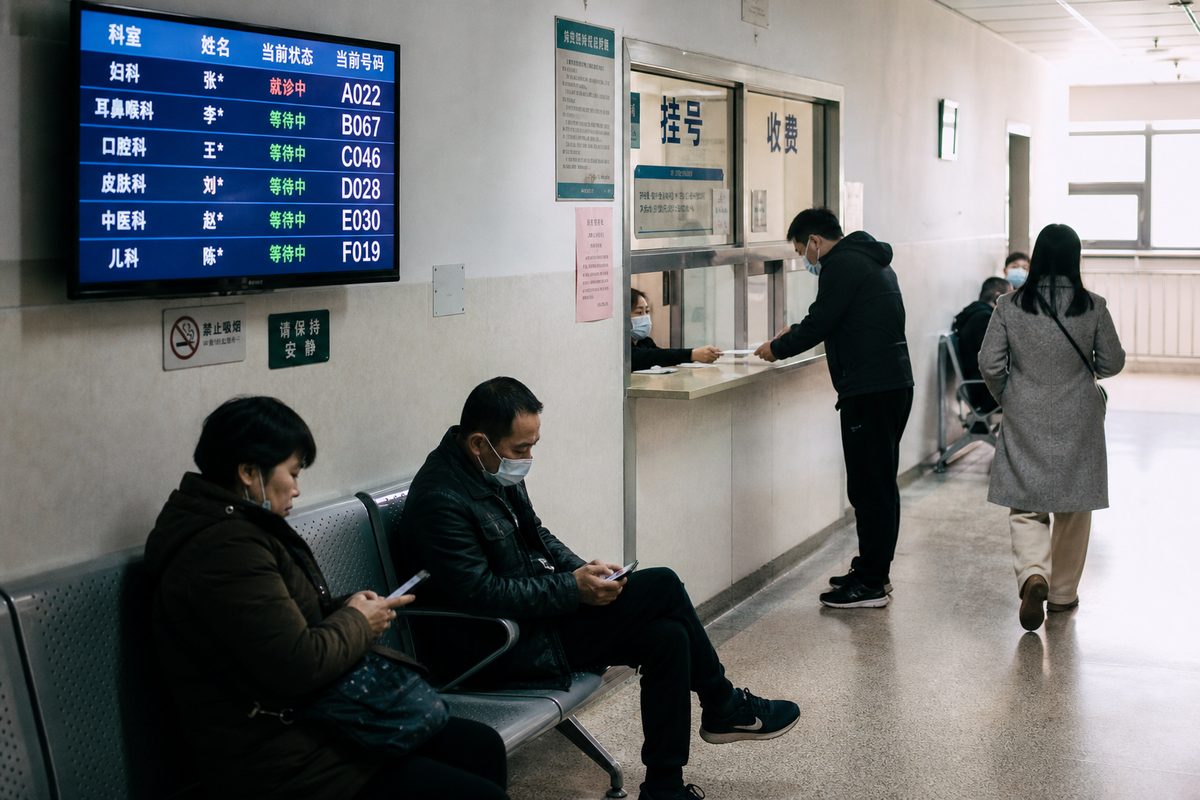
The first stop is a window or a kiosk, to create or find your record. For a visitor that almost always means a physical passport. Some desks also want a local phone number; if you do not have one, the companion uses theirs or asks what the desk will accept. The form is short. The vocabulary is not.
You receive a patient card or a printed slip with a department name and a queue number. Keep that slip. You will show it again at the room, at payment, and if you collect anything from the pharmacy. Taking a photograph of it is sensible.
A reserved slot, not an open queue
Outpatient mornings run on numbers. Screens click over. Numbers are called — sometimes over a loudspeaker in Chinese, sometimes only shown on a board. Your companion watches so you can sit without worrying about missing your turn.
Waiting time varies by hour and by how busy the clinic is. We would rather you keep a flexible window than book a tight lunch or a sightseeing slot right after. A typical accompanied visit is planned at about 2 hours.
What you are booking with us is a reserved window: a time the clinic expects you, so you are seen when you arrive rather than joining the open list. That is the part of the morning we arrange before you travel.
The list still moves on those windows. Arrive for the slot we confirmed and it stays yours. Arrive late and the same window can be given to the next person — that is how the desk works, not a penalty we add. Be on time so the morning we arranged is the one you get.
Inside the treatment room
When your turn arrives you go in. The practitioner will ask focused questions about symptoms, history, sleep and medicines. They may look at your tongue and take your pulse at the wrist. Every step is there to use the time they have with you.
The companion translates both ways. If the practitioner suggests adding cupping, moxibustion or a herbal formula, you hear what it involves, how long it takes, whether it leaves marks, and the exact hospital price before you agree. You can decline any of it.
Hospital checkout and prescriptions
Hospital charges are paid at their cashier or kiosks, on the day, to them. Our companion fee is separate and already agreed. If another item is suggested in the room, you hear the figure in English first.
If you accept a herbal formula, that is another window and another wait. You can take the written names home and decide later. Sending us a form does not charge a card or lock a booking. A person reads what you wrote and replies within 24 hours with a suggested place, a time and the full cost.
