Field notes and materia medica
Roots and rhizomes
Field notes on the roots, rhizomes and tubers of Chinese medicine: how each one is grown, lifted, cleaned and prepared before it reaches a pharmacy.
18 field notes
Chinese herbs
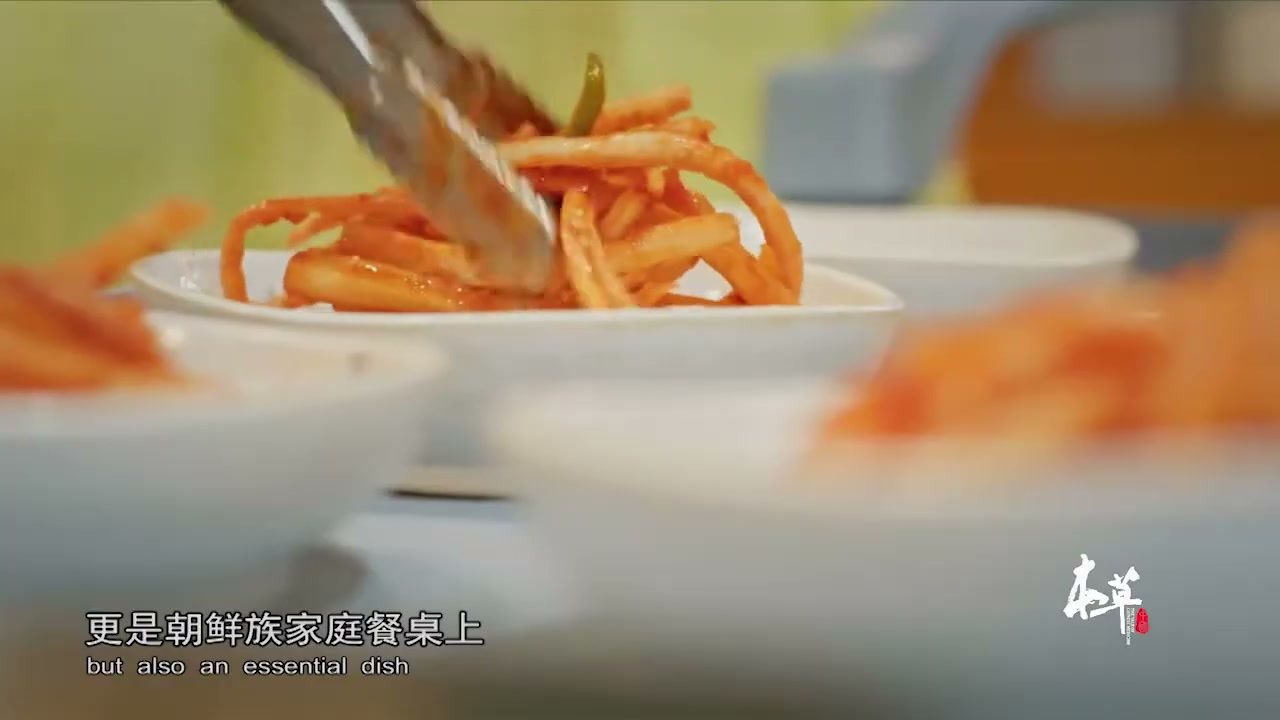
Platycodon root (桔梗): lifting and drying a deep white root
How Jie Geng grows below ground, is harvested without breakage, cleaned, prepared, and dried.
Read the article
Chinese herbs
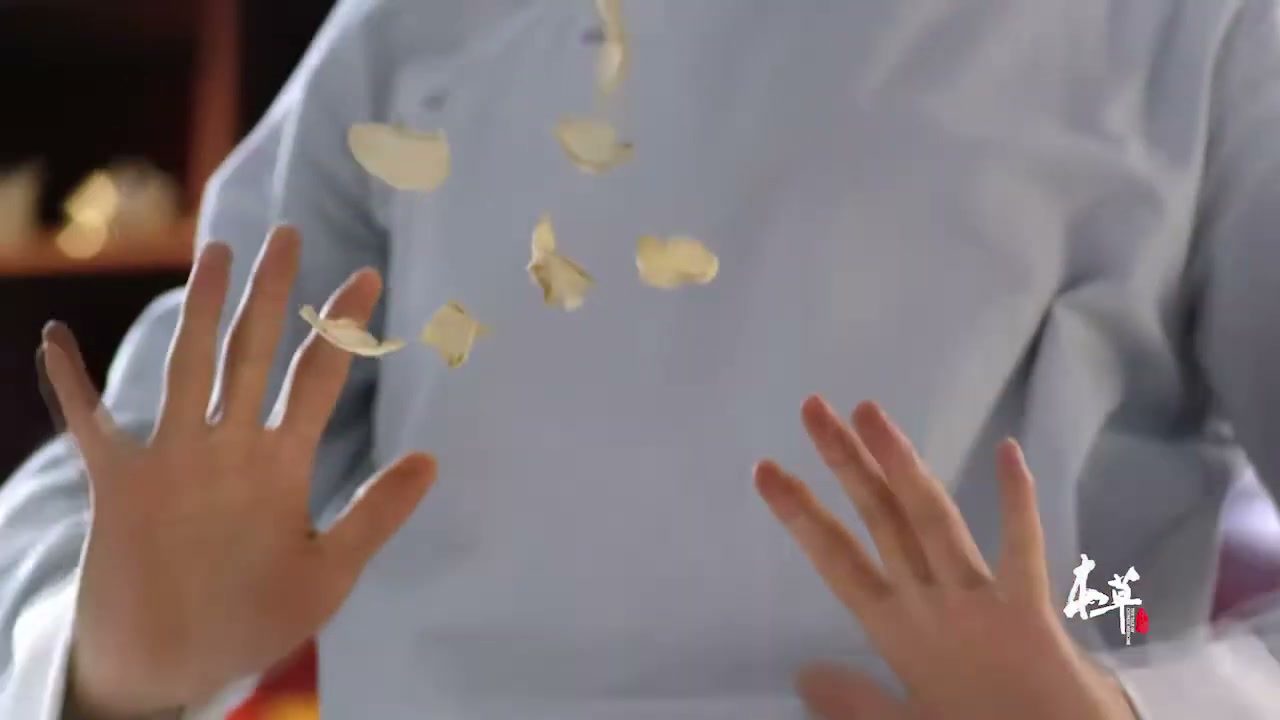
Fresh ginger (生姜): a kitchen rhizome with a separate medicinal identity
How fresh ginger develops underground, is lifted, cleaned, and distinguished from dried or processed ginger.
Read the article

Chinese herbs
Ephedra herb and root (麻黄): two parts with sharply different risks
How Ephedra survives dry landscapes, and why its stems and roots are harvested, processed, and discussed separately.
Read the article
Chinese herbs
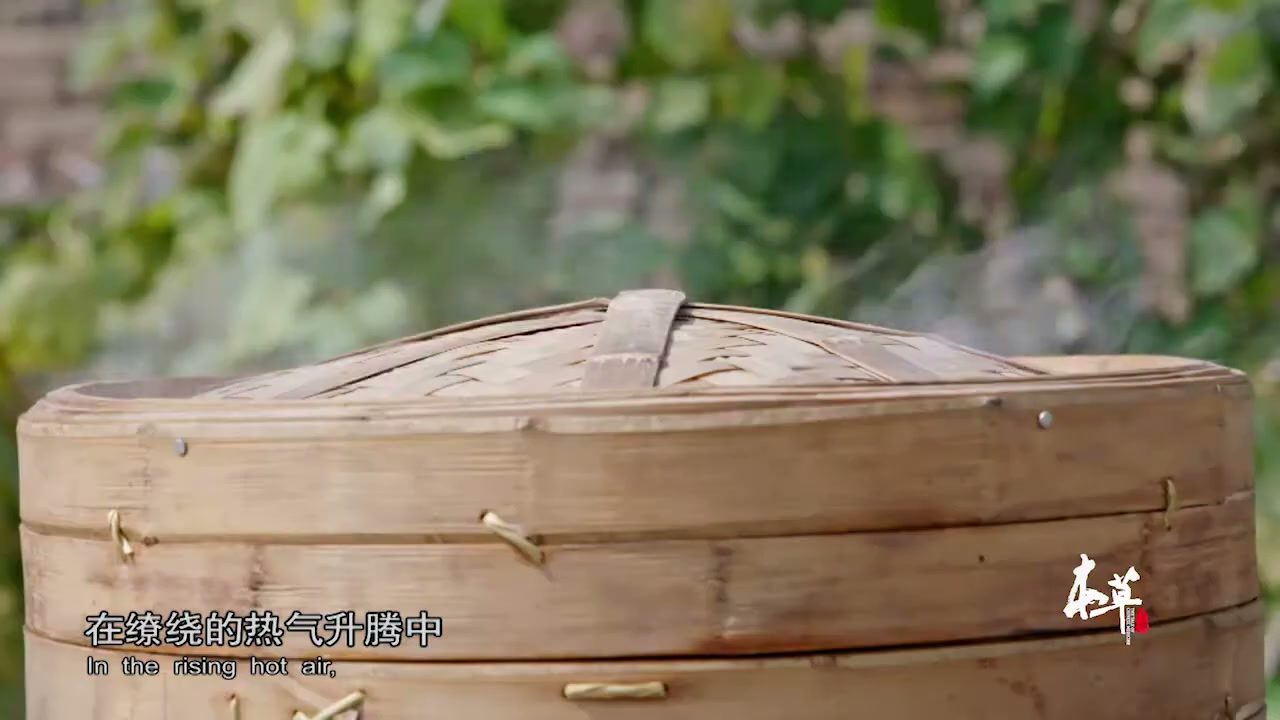
Trichosanthes fruit and root (瓜蒌 / 天花粉): one vine, separate medicines
How a climbing Trichosanthes vine produces a large fruit while its underground root becomes a distinct material.
Read the article

Chinese herbs
Prepared aconite daughter root (附子): cultivation where processing is critical
How Fu Zi develops beside the mother root, is harvested, repeatedly processed, and kept out of home preparation because raw aconite is highly toxic.
Read the article
Chinese herbs
Codonopsis root (党参): a cultivated root that is not ginseng
How Dang Shen grows as a climbing perennial, is lifted and dried, and remains distinct from Ren Shen despite overlapping traditional language.
Read the article
Chinese herbs
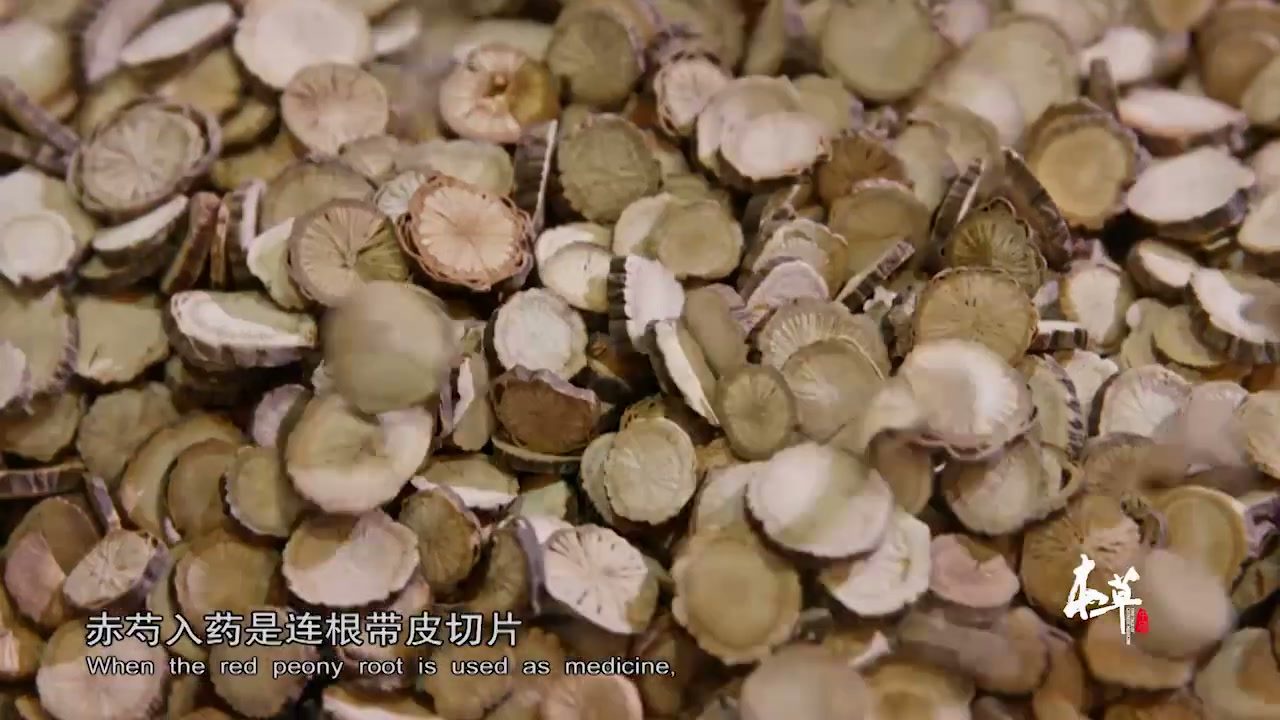
Red and white peony root (赤芍 / 白芍): similar plants, different processing
How source, cultivation, bark removal, heating, and drying distinguish two peony-root medicines.
Read the article
Chinese herbs
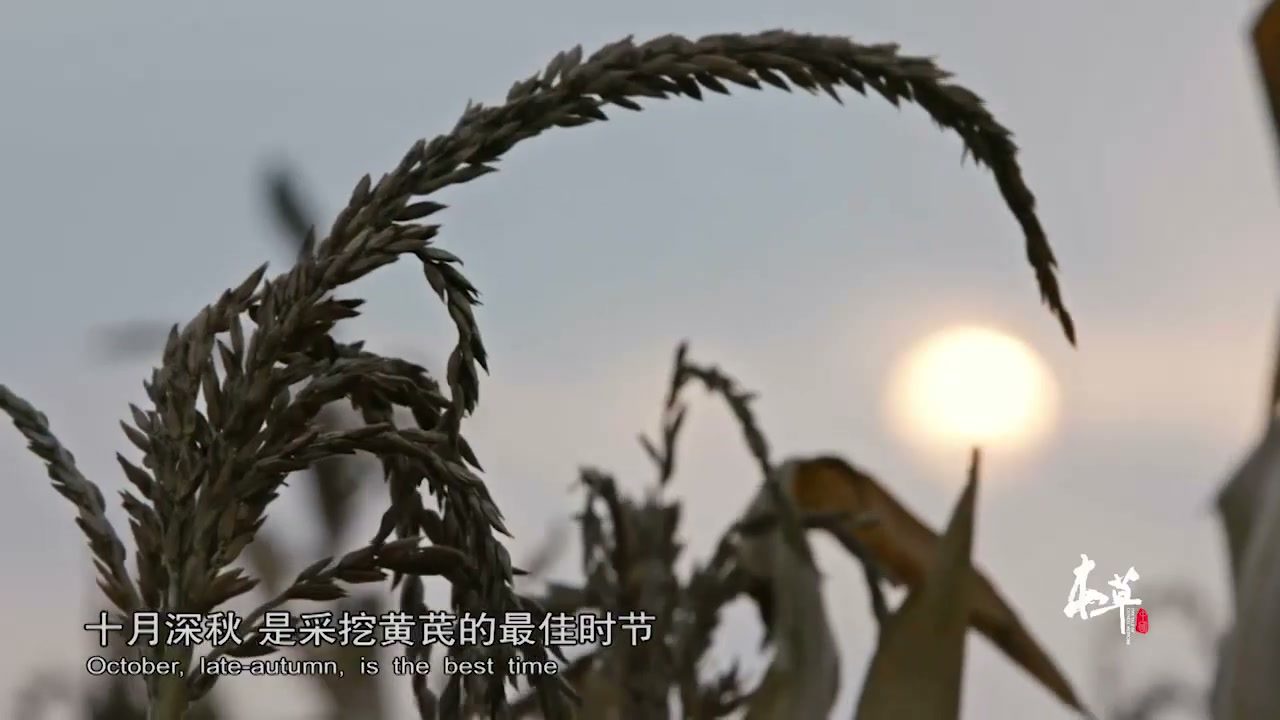
Chinese angelica and Astragalus root (当归 / 黄芪): two roots shaped by different climates
How Dang Gui and Huang Qi grow in contrasting Gansu landscapes, are lifted in autumn, dried, sliced, and paired.
Read the article

Chinese herbs
Atractylodes lancea and white atractylodes (苍术 / 白术): two rhizomes, two processing paths
How Cang Zhu and Bai Zhu grow, are dug and cleaned, then processed differently before being paired.
Read the article
Chinese herbs
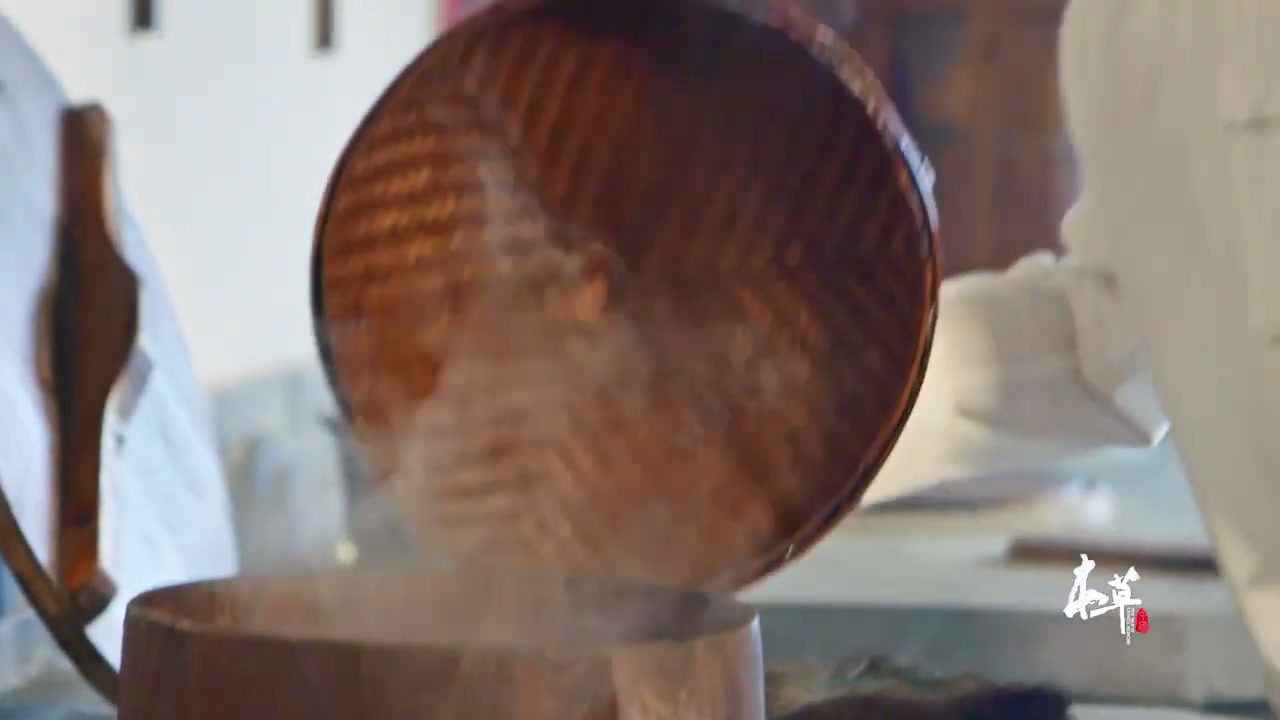
Pinellia tuber (半夏): why raw tubers require controlled processing
How Ban Xia grows as a small tuber crop and is transformed into distinct prepared forms without making home processing acceptable.
Read the article
Chinese herbs
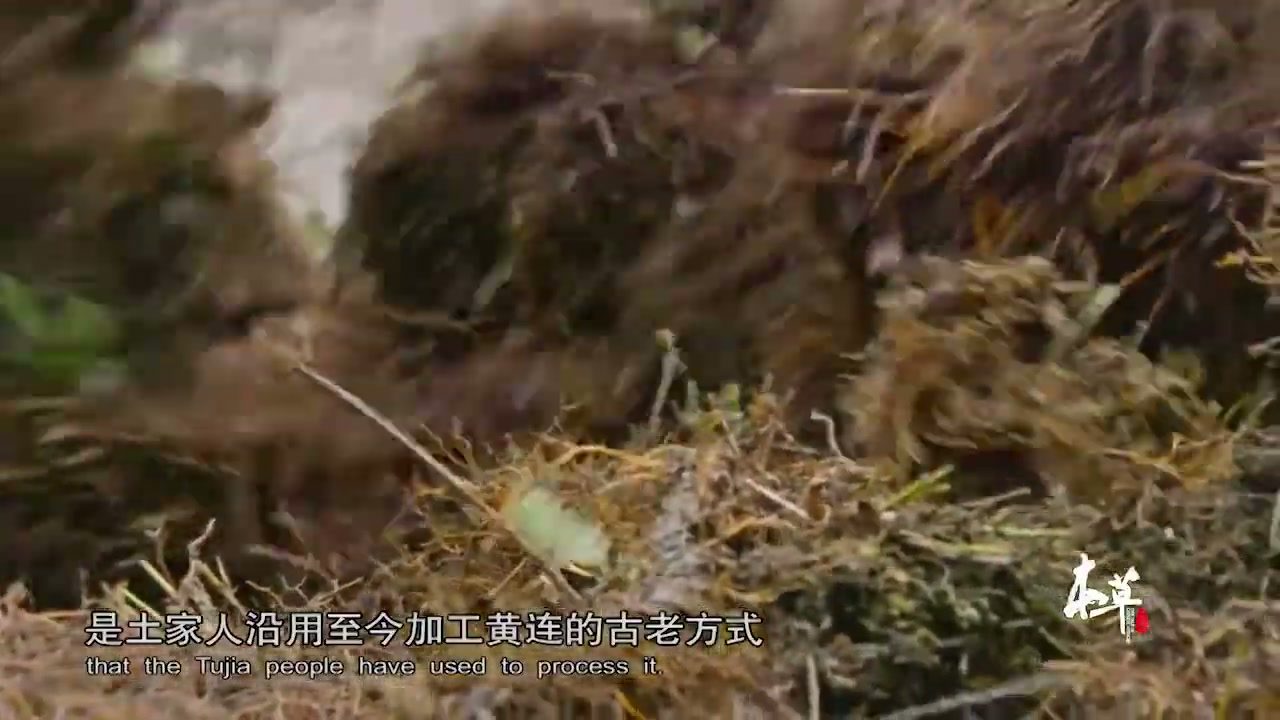
Chinese goldthread (黄连): five years in shade before harvest
How Huang Lian is cultivated for years on shaded mountain plots, lifted, fire-dried, and cleaned root by root.
Read the article
Chinese herbs
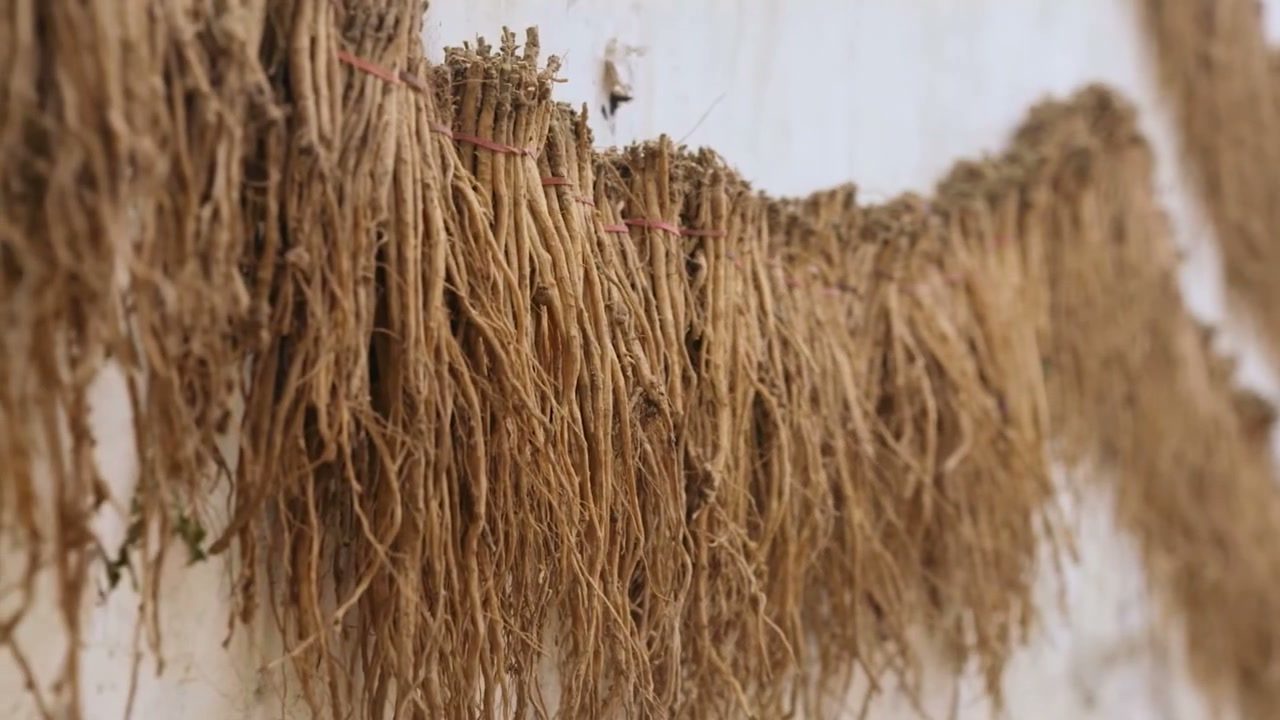
Niu Xi (牛膝): from cultivated field to dried medicinal root
How Niu Xi grows, is harvested and processed, and is traditionally used for particular symptom patterns.
Read the article
Chinese herbs
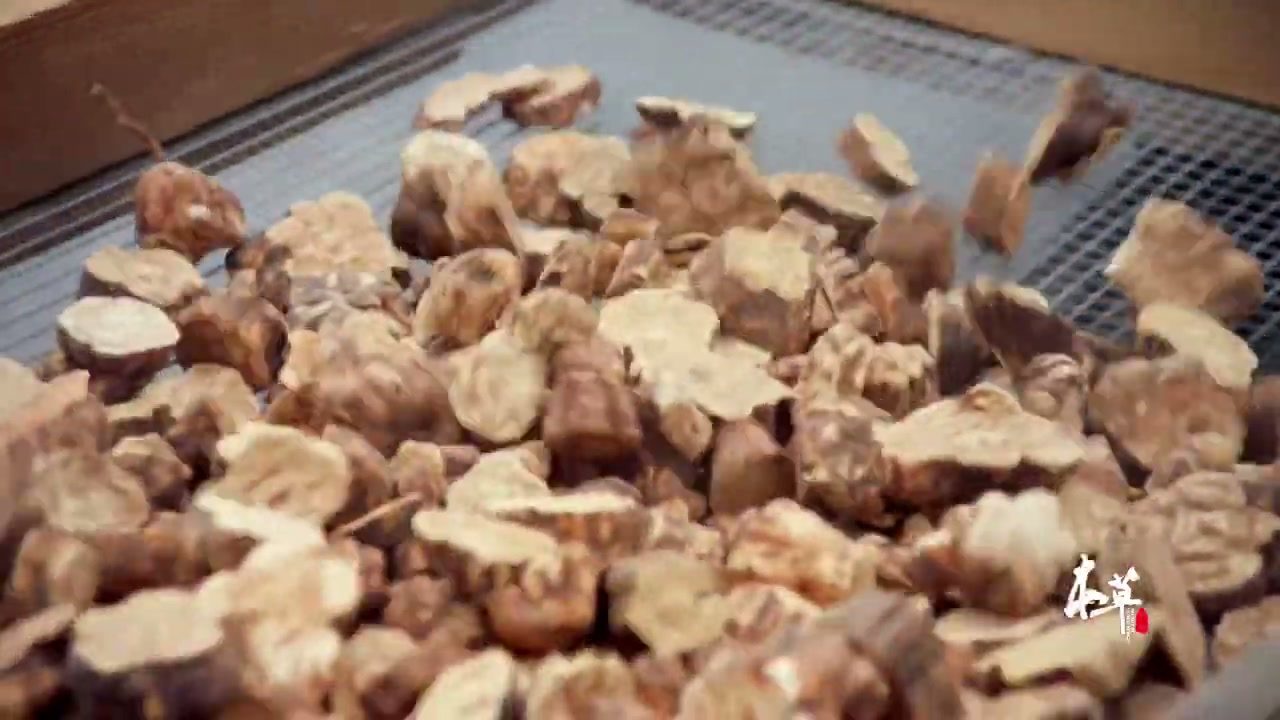
Fleeceflower root (何首乌): from wild tuber to prepared root
How He Shou Wu is found, sliced, dried, and traditionally processed—and why raw and prepared forms must not be confused.
Read the article
Chinese herbs
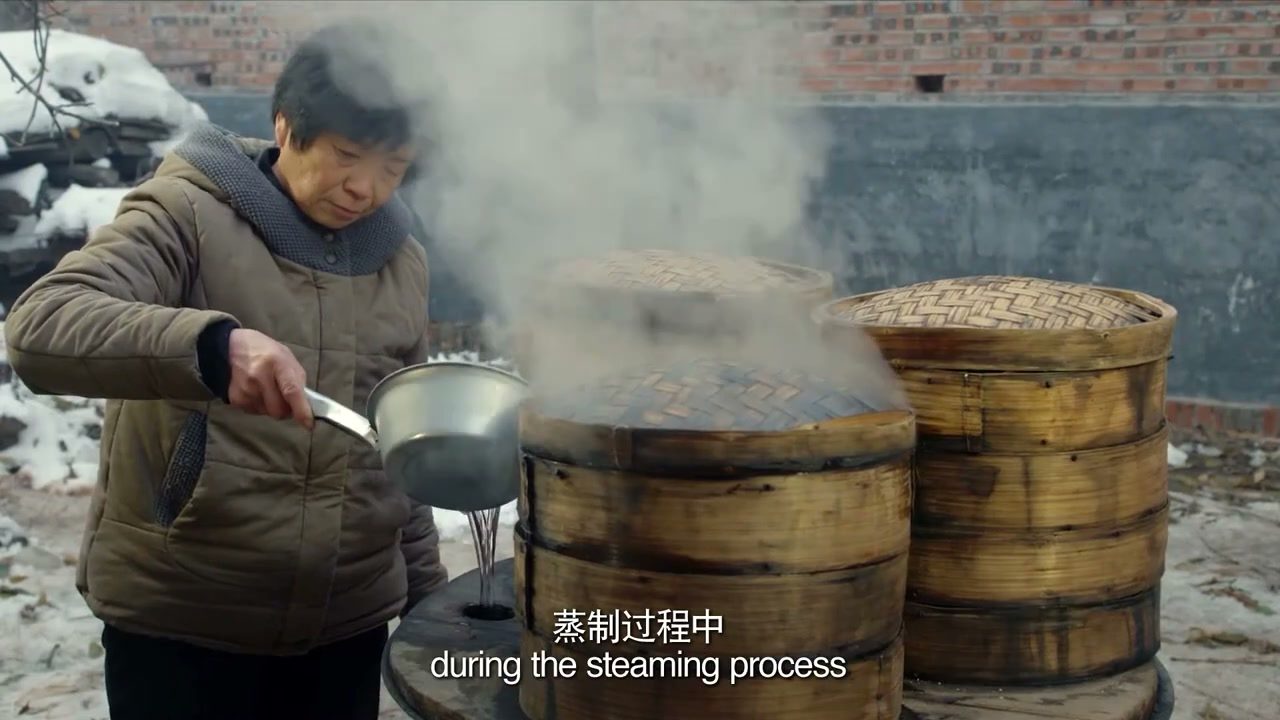
Prepared rehmannia root (熟地黄): washing, steaming, and drying
How Di Huang root is repeatedly moistened, steamed, and dried into the dark prepared material Shu Di Huang.
Read the article
Chinese herbs
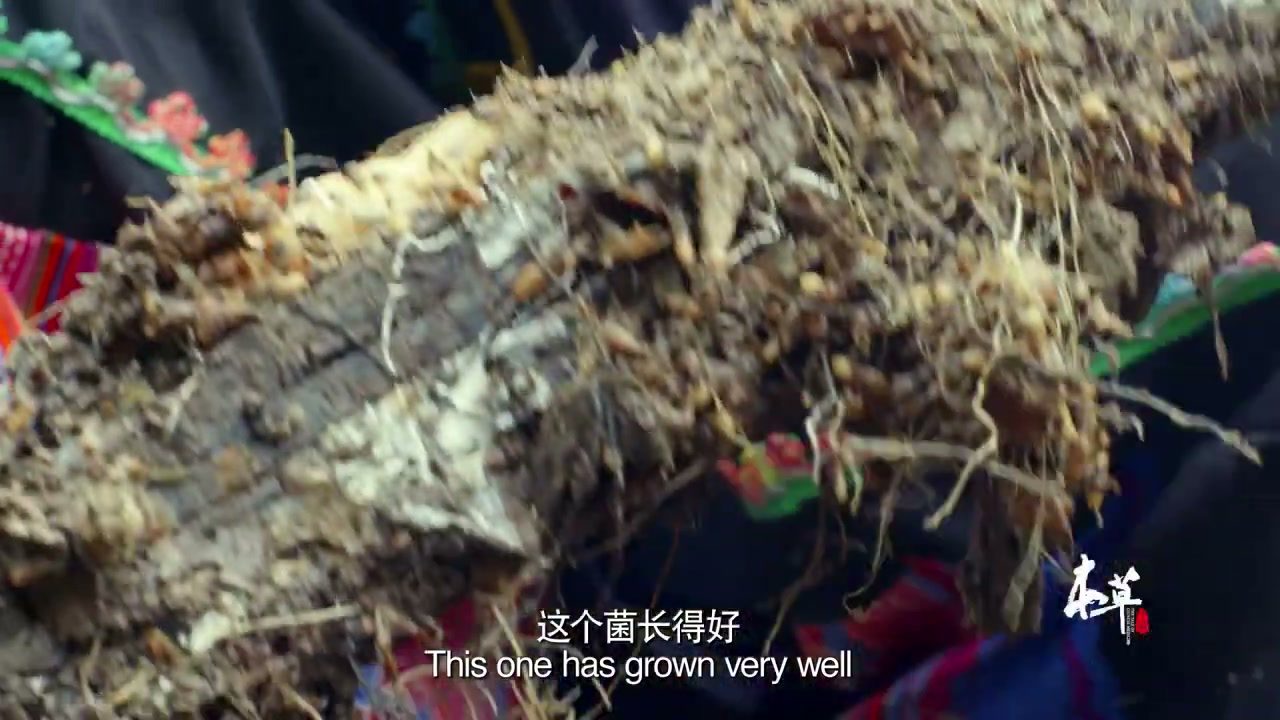
Gastrodia tuber (天麻): an orchid grown with fungi
How the leafless orchid Tian Ma depends on fungi, is harvested underground, and reaches the kitchen and pharmacy.
Read the article
Chinese herbs
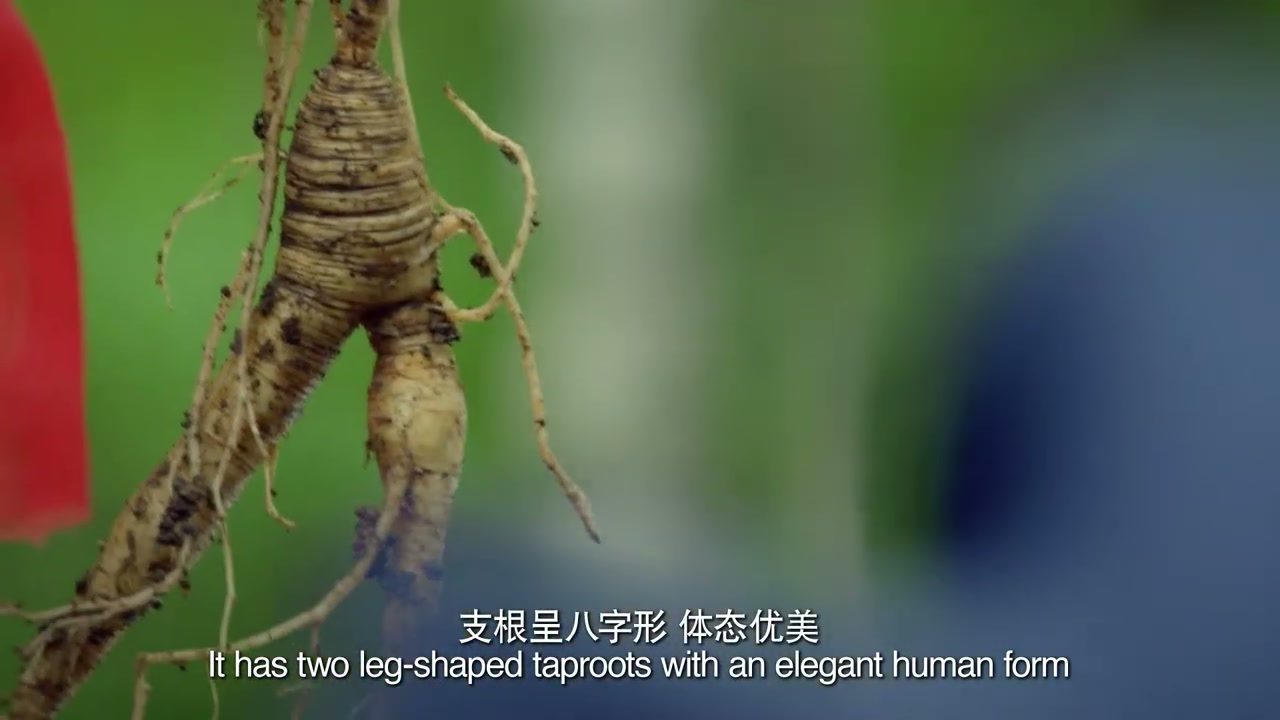
Asian ginseng (人参): the patient work of lifting a wild root
How Ren Shen grows beneath forest cover and why harvesting its fine roots can take hours.
Read the article
Chinese herbs
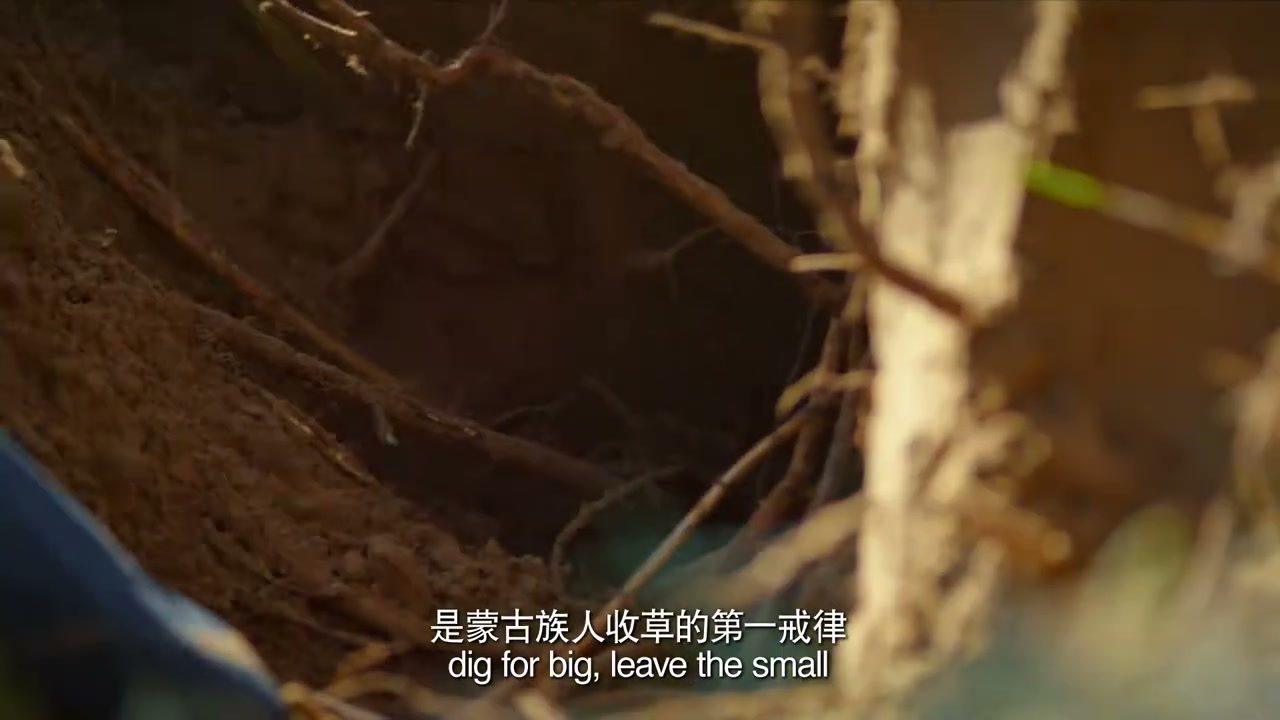
Licorice root (甘草): deep roots and restrained harvesting
How Gan Cao survives dry grassland, develops long roots, and is harvested with attention to regrowth.
Read the article
Chinese herbs
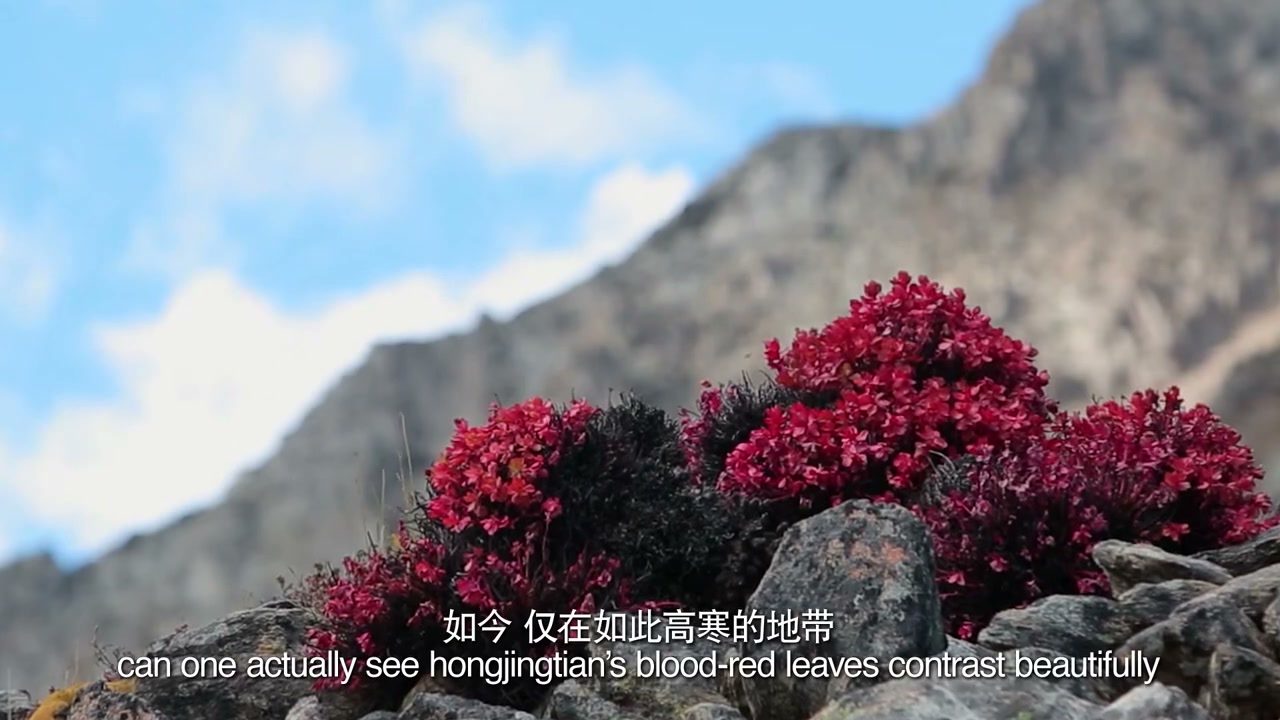
Rhodiola root (红景天): restoring a high-altitude medicinal plant
How Hong Jing Tian grows on the Tibetan Plateau and why collectors are turning toward propagation and replanting.
Read the article


Tell us what you would like help with
It takes a couple of minutes. Nothing is booked and nothing is charged — a person reads it and writes back within 24 hours.