Chinese herbs ·
Gastrodia tuber (天麻): an orchid grown with fungi
Gastrodia tuber is the material known as tiān má in Chinese medicine. Its identity and quality are shaped by where it grows, when it is collected, and the processing that follows harvest.
The material and its source
Gastrodia tuber comes from Gastrodia elata Blume, in the Orchidaceae family. The medicinal material is the dried tuber.
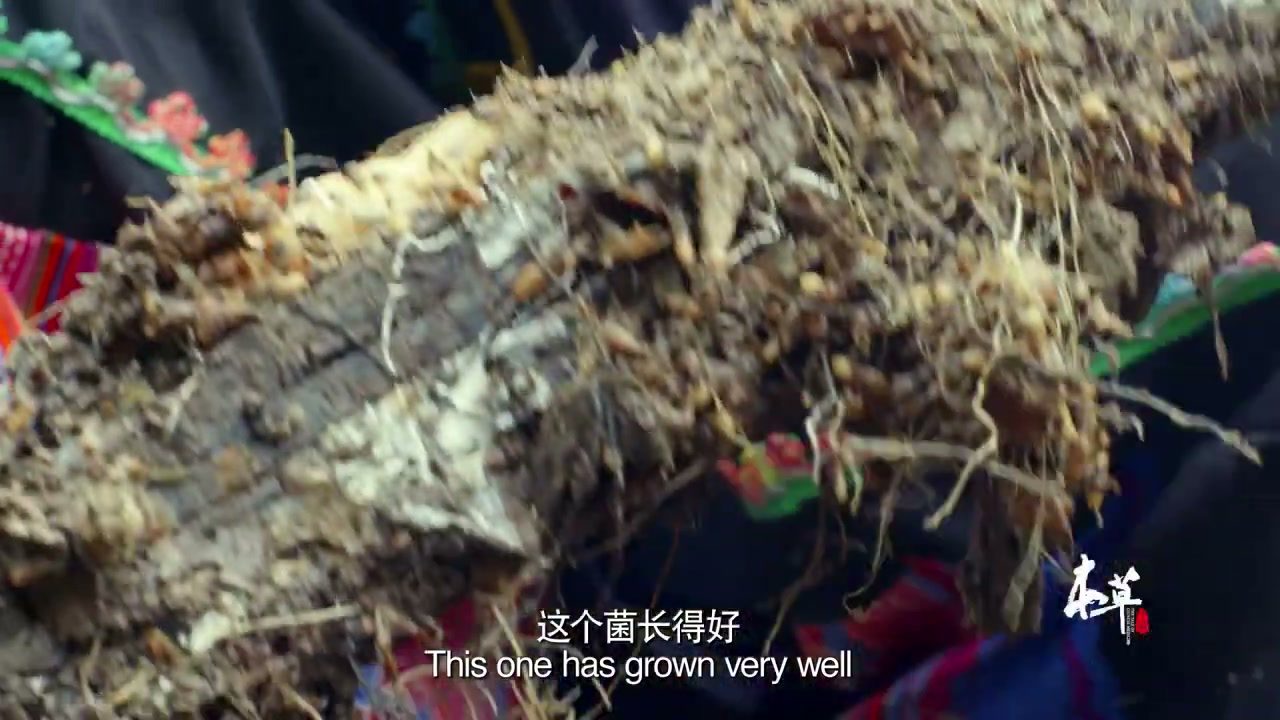
Tian Ma is a leafless orchid that cannot feed itself through ordinary photosynthesis. Its tiny seeds first depend on one fungus, while developing tubers form a relationship with honey fungus growing through buried wood.
Harvest
Growers wait until the underground tubers have matured, often harvesting the winter crop after the flowering stem has disappeared. The beds are opened carefully so the pale tubers are not cut.
Processing
Fresh tubers are cleaned, steamed or boiled, and dried. Tian Ma is also used as a regional food ingredient, but culinary use does not remove the need for correct identity and dose.
Traditional uses and symptom patterns
Tian Ma is traditionally used in formulas for dizziness, headache, tremor, or spasm patterns described as internal wind. Those symptoms have many possible causes and require appropriate medical assessment.
What modern research has examined
Gastrodin, a constituent and pharmaceutical preparation associated with Gastrodia, has been studied in migraine trials, but those results do not establish the effectiveness of whole Tian Ma tuber or traditional formulas. Trial quality, preparation, and comparability remain important limitations.
Safety and interactions
Dizziness, sudden headache, weakness, or new neurological symptoms can be urgent. Tian Ma should not delay diagnosis, and reliable human interaction, pregnancy, and long-term-use data for concentrated products are incomplete.
Sources
- A full course of herbal dishes | DO-ING documentary | CHI-ENG sub
The Tale of Chinese Medicine Official Channel · Cultivation, harvest, processing footage, and traditional-use descriptions.
- HKCMMS: Rhizoma Gastrodiae
Hong Kong Chinese Medicine Regulatory Office · Official source species, harvest, steaming, drying, and identification.
- Effectiveness of gastrodin for migraine: a meta-analysis
Frontiers in Neurology · Human evidence for gastrodin, kept explicitly separate from evidence for whole Tian Ma.
