Chinese herbs ·
Chinese angelica and Astragalus root (当归 / 黄芪): two roots shaped by different climates
Chinese angelica and Astragalus root is known as dāng guī / huáng qí in Chinese medicine. This field note centres on where the material lives or grows, how it is collected, and what processing changes before it reaches professional practice.
Where it lives and how it grows
Dang Gui favours cool, moist, high-elevation conditions and deep fertile soil. Huang Qi tolerates a drier, sunnier climate and sends a long root through loose soil, so the paired medicines begin in contrasting landscapes.
Harvest
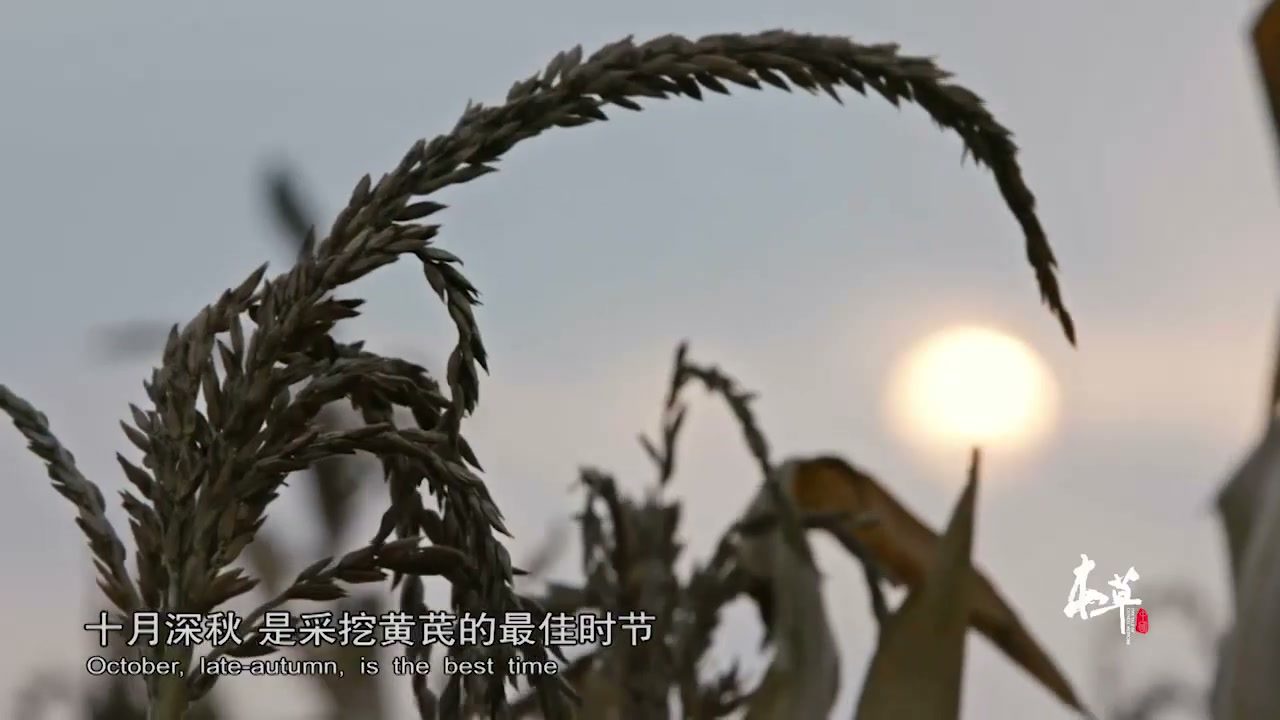
Both roots are lifted in autumn after the aerial growth declines. Digging depth, intact roots, removal of soil, and rapid handling affect how much usable material reaches drying.
Processing
Roots are cleaned, dried, and sliced, with additional processing used for particular preparations. Their pairing in Dang Gui Bu Xue Tang does not erase their separate identities.
Traditional uses and symptom patterns
The pair is traditionally associated with qi-and-blood deficiency patterns. The episode discusses low milk supply after childbirth, but breastfeeding problems can have many causes and deserve qualified assessment.
What the evidence can and cannot say
The reviewed sources support source identity, material distinction, and the cultivation or processing account. They do not establish that this material is an effective treatment for a reader's symptoms; clinical recommendations, products, formulas, and doses remain outside this article.
Safety and interactions
Dang Gui may be relevant to bleeding risk, while Astragalus may interact with immune-modifying medicines. Pregnancy, breastfeeding, anticoagulants, autoimmune disease, and unexplained postpartum symptoms require professional advice.
Sources
- 【FULL】《本草中国第二季》第7集寻根:哺乳期母亲的福音Tale Of Chinese MedicineS2EP7 Chinese Medicine: Seeking the Root【HD】
The Tale of Chinese Medicine Official Channel · Primary footage and narration for habitat, cultivation, harvest, processing, and traditional-use context.
- HKCMMS: Radix Angelicae Sinensis
Hong Kong Chinese Medicine Regulatory Office · Official Dang Gui source, root identity, harvest, processing, and quality standards.
- HKCMMS: Radix Astragali
Hong Kong Chinese Medicine Regulatory Office · Official Huang Qi source, root identity, harvest, processing, and quality standards.
