Chinese herbs ·
Cassia seed and abalone shell (决明子 / 石决明): similar names, unrelated sources
Cassia seed and abalone shell is known as jué míng zǐ / shí jué míng in Chinese medicine. This field note centres on where the material lives or grows, how it is collected, and what processing changes before it reaches professional practice.
Where it lives and how it grows
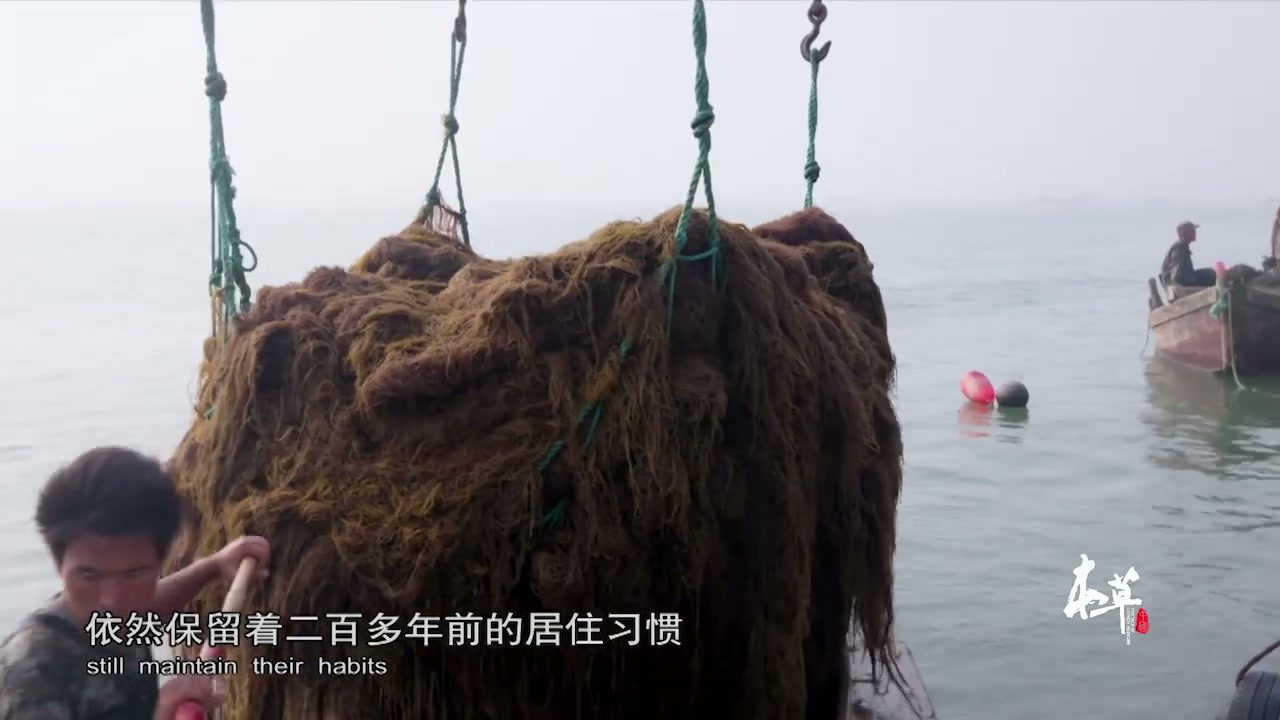
Cassia is an annual legume that flowers and sets pods in fields. Abalone is a marine mollusc that slowly builds a nacreous shell while grazing on coastal algae; the two sources share no biological relationship.
Harvest
Cassia pods are gathered when mature and dry enough for seed threshing. Abalone shells come from legally sourced animals and require species, origin, and contamination checks.
Processing
Cassia seeds are cleaned and may be dry-fried. Abalone shells are cleaned, dried, and crushed or calcined according to the intended preparation; seed and shell must never be confused.
Traditional uses and symptom patterns
Both names appear in traditional eye-related language, but Cassia seed also appears in bowel patterns while abalone shell is used in liver-yang or visual patterns. Similar naming is not evidence of similar chemistry.
What the evidence can and cannot say
The reviewed sources support source identity, material distinction, and the cultivation or processing account. They do not establish that this material is an effective treatment for a reader's symptoms; clinical recommendations, products, formulas, and doses remain outside this article.
Safety and interactions
Cassia seed can loosen the bowel and concentrated products may affect medicines or electrolytes. Shell products require identity and contaminant control; sudden vision loss, severe headache, or eye pain is urgent.
Sources
- 【FULL】《本草中国第二季》第6集因缘:名字相近,大不同 -“The Tale Of Chinese Medicine”S2 EP6 Similar names,different fate
The Tale of Chinese Medicine Official Channel · Primary footage and narration for habitat, cultivation, harvest, processing, and traditional-use context.
- HKCMMS: Semen Cassiae
Hong Kong Chinese Medicine Regulatory Office · Official seed sources, harvest, processing, identity, and quality standards.
- NCBI Taxonomy search: Haliotis
National Center for Biotechnology Information · Authoritative taxonomic reference for the animal source group.
Read next
Chinese angelica and Astragalus root (当归 / 黄芪): two roots shaped by different climates
Chinese angelica and Astragalus root · dāng guī / huáng qí
Licorice root (甘草): deep roots and restrained harvesting
Licorice root · gān cǎo
Lotus medicines (莲子): one aquatic plant, several harvested materials
Lotus medicines · lián zǐ / lián fáng / lián xū / hé yè
