Chinese herbs ·
Licorice root (甘草): deep roots and restrained harvesting
Licorice root is the material known as gān cǎo in Chinese medicine. Its identity and quality are shaped by where it grows, when it is collected, and the processing that follows harvest.
The material and its source
Licorice root comes from Glycyrrhiza uralensis Fisch. (the species shown; standards may also recognize other Glycyrrhiza species), in the Fabaceae family. The medicinal material is the dried root and rhizome.
Gan Cao is a hardy legume adapted to dry grassland and desert margins. Its deep roots reach moisture below the surface and help stabilize fragile soil.
Harvest
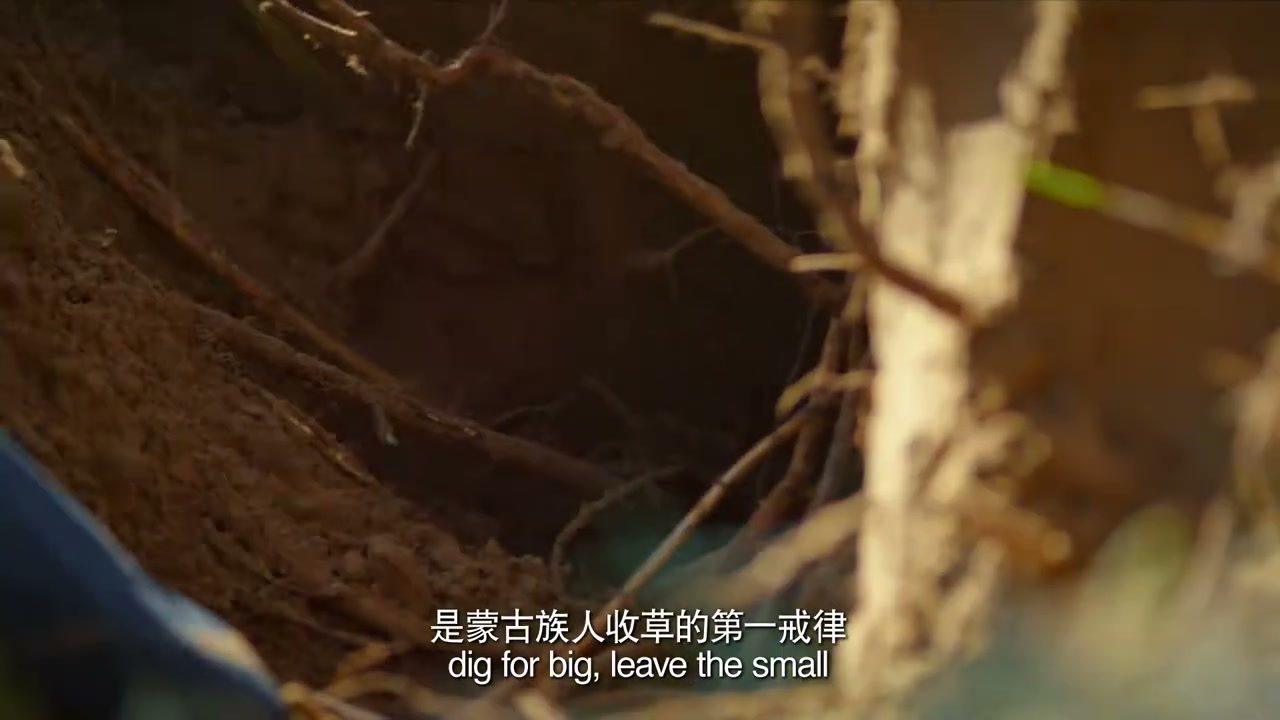
Roots are dug in autumn after several years of growth. Restrained collection selects mature roots while leaving smaller plants and underground growth so the population can recover.
Processing
Soil and small side roots are removed before the roots are cut and dried. Some traditional preparations are honey-fried, but the raw dried root remains a separate material.
Traditional uses and symptom patterns
Gan Cao appears in many formulas for cough, throat discomfort, spasms, and digestive patterns and is also used to coordinate the actions of other ingredients. Frequent inclusion does not mean unlimited dosing is safe.
What modern research has examined
Glycyrrhizin and other licorice compounds have pharmacological activity, but whole-root products, deglycyrrhizinated products, extracts, and confectionery licorice are not equivalent. Clinical findings from one preparation cannot be transferred automatically to another.
Safety and interactions
Chronic glycyrrhizin exposure can raise blood pressure, lower potassium, suppress renin and aldosterone, and disturb heart rhythm. Risks and interactions are especially important with diuretics, corticosteroids, digoxin, and heart, kidney, or blood-pressure conditions; pregnancy also requires caution.
Sources
- Licorice root gathering and medicine in the desert
The Tale of Chinese Medicine Official Channel · Cultivation, harvest, processing footage, and traditional-use descriptions.
- HKCMMS: Radix et Rhizoma Glycyrrhizae
Hong Kong Chinese Medicine Regulatory Office · Official source species, plant part, harvest, and identification.
- Licorice Root
National Center for Complementary and Integrative Health · Human safety, pregnancy, and corticosteroid-interaction guidance.
- The association between consistent licorice ingestion, hypertension and hypokalaemia
Journal of Human Hypertension · Quantified blood-pressure and potassium effects from chronic glycyrrhizic-acid exposure.
Read next
Chinese angelica and Astragalus root (当归 / 黄芪): two roots shaped by different climates
Chinese angelica and Astragalus root · dāng guī / huáng qí
Cassia seed and abalone shell (决明子 / 石决明): similar names, unrelated sources
Cassia seed and abalone shell · jué míng zǐ / shí jué míng
Platycodon root (桔梗): lifting and drying a deep white root
Platycodon root · jié gěng
