Chinese herbs ·
Prepared rehmannia root (熟地黄): washing, steaming, and drying
Prepared rehmannia root is the material known as shú dì huáng in Chinese medicine. Its identity and quality are shaped by where it grows, when it is collected, and the processing that follows harvest.
The material and its source
Prepared rehmannia root comes from Rehmannia glutinosa Libosch., in the Orobanchaceae family. The medicinal material is the prepared root tuber.
Rehmannia is a low herbaceous perennial cultivated for its thick underground tubers. Loose soil, moisture management, and crop rotation help produce clean roots while limiting rot and soil-borne disease.
Harvest
Roots are lifted after the growing season when the aerial parts decline. Fresh roots are fragile and contain considerable moisture, so soil is removed without crushing them.
Processing
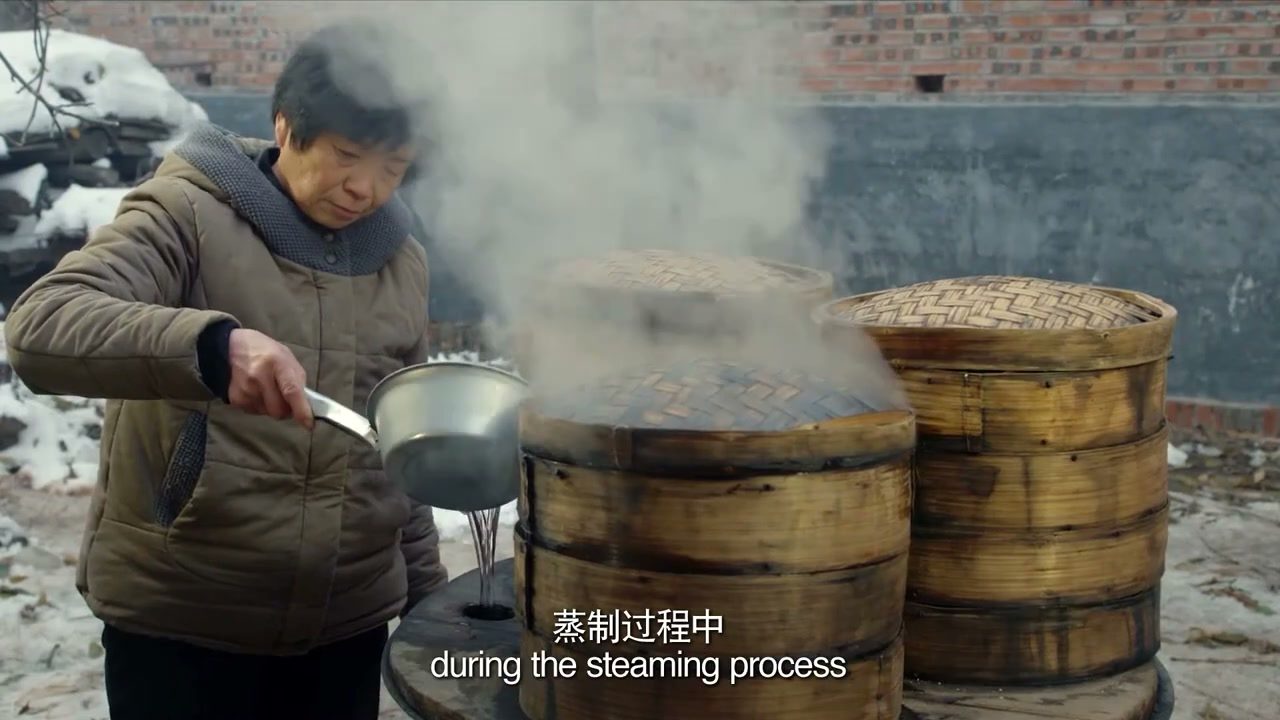
Repeated moistening, steaming, resting, and drying make the roots dark, glossy, and pliable. This prepared material is Shu Di Huang and differs from fresh or simply dried Di Huang.
Traditional uses and symptom patterns
Shu Di Huang appears in formulas for blood- and yin-deficiency patterns, including dizziness, palpitations, or weakness interpreted through traditional pattern assessment. It is often combined rather than used alone.
What modern research has examined
Research reviews emphasize that dried Rehmannia and prepared Shu Di Huang change chemically during processing and should not be treated as interchangeable. Most proposed effects remain laboratory or animal findings, and isolated compounds such as catalpol cannot stand in for the whole prepared material.
Safety and interactions
Human safety and interaction evidence for Shu Di Huang is limited. Traditional practice recognizes that the dense prepared material may cause digestive discomfort in some people. Product identity, processing, and the rest of a formula matter, so unsupervised long-term use is not advised.
Sources
- The love of MOM | DO-ING documentary | CHI-ENG sub
The Tale of Chinese Medicine Official Channel · Cultivation, harvest, processing footage, and traditional-use descriptions.
- HKCMMS: Radix Rehmanniae
Hong Kong Chinese Medicine Regulatory Office · Official source plant and identity of dried Rehmannia before the distinct prepared form.
- A systematic review on botany, processing, application, phytochemistry and pharmacological action of Radix Rehmanniae
Journal of Ethnopharmacology · Differences between dried and prepared Rehmannia and the limits of constituent-level evidence.
