Chinese herbs ·
Red and white peony root (赤芍 / 白芍): similar plants, different processing
Red and white peony root is known as chì sháo / bái sháo in Chinese medicine. This field note centres on where the material lives or grows, how it is collected, and what processing changes before it reaches professional practice.
Where it lives and how it grows
Medicinal peonies are long-lived perennials that invest several years in thick roots. Field-grown plants need seasonal dormancy, well-drained soil, and patient weed and disease management before root harvest.
Harvest
Roots are dug after several growing seasons. Source population, cultivation, root colour, and the handling that follows harvest help determine whether material enters the red- or white-peony pathway.
Processing
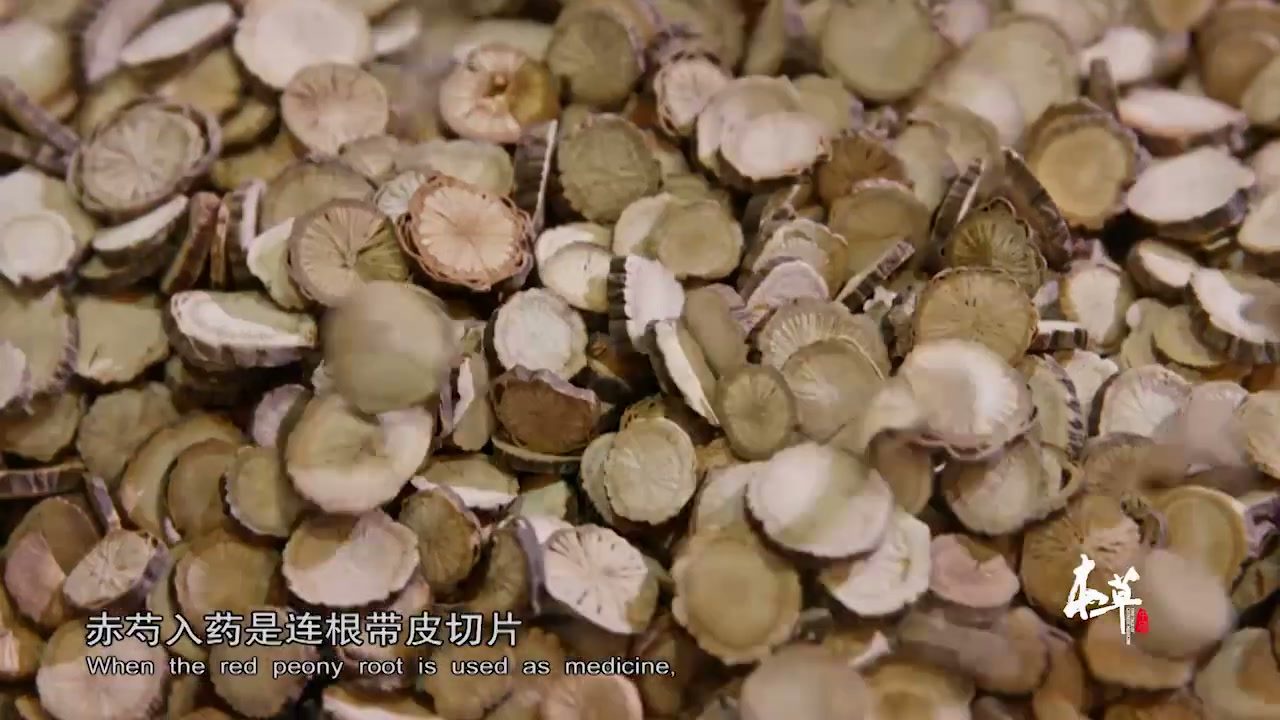
Red peony root is generally cleaned and dried with its outer surface retained, while white peony root is commonly boiled and peeled before drying. Processing is part of identity, not a cosmetic difference.
Traditional uses and symptom patterns
Chi Shao and Bai Shao are used differently in blood, pain, spasm, and liver-related pattern language. Their similar names do not justify substitution in a formula.
What the evidence can and cannot say
The reviewed sources support source identity, material distinction, and the cultivation or processing account. They do not establish that this material is an effective treatment for a reader's symptoms; clinical recommendations, products, formulas, and doses remain outside this article.
Safety and interactions
Both may be relevant to bleeding risk or medicine interactions, while pregnancy and long-term concentrated-use data are incomplete. Unexplained abdominal pain, heavy bleeding, or neurological symptoms require assessment.
Sources
- 【FULL】《本草中国第二季》第6集因缘:名字相近,大不同 -“The Tale Of Chinese Medicine”S2 EP6 Similar names,different fate
The Tale of Chinese Medicine Official Channel · Primary footage and narration for habitat, cultivation, harvest, processing, and traditional-use context.
- HKCMMS: Radix Paeoniae Rubra
Hong Kong Chinese Medicine Regulatory Office · Official red-peony source, harvest, processing, identity, and quality standards.
- HKCMMS: Radix Paeoniae Alba
Hong Kong Chinese Medicine Regulatory Office · Official white-peony source, processing distinction, identity, and quality standards.
