Chinese herbs ·
Asian ginseng (人参): the patient work of lifting a wild root
Asian ginseng is the material known as rén shēn in Chinese medicine. Its identity and quality are shaped by where it grows, when it is collected, and the processing that follows harvest.
The material and its source
Asian ginseng comes from Panax ginseng C.A.Mey., in the Araliaceae family. The medicinal material is the dried root and rhizome.
Asian ginseng is a slow-growing woodland perennial. It develops beneath forest shade, producing a short aerial stem and red berries above a root system that becomes more branched with age.
Harvest
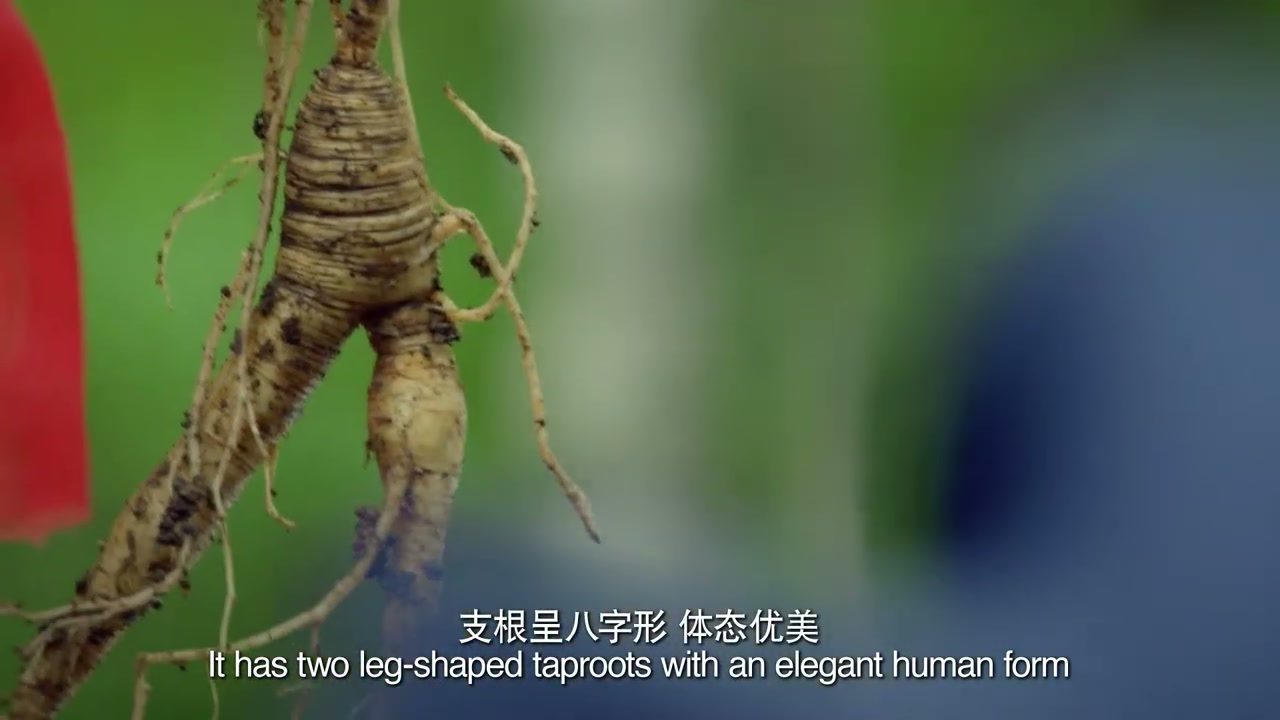
Wild-root hunters first identify the leaves and berries, then expose the soil with small tools. Fine roots are followed individually so the complete root can be lifted with minimal damage.
Processing
Fresh roots may be cleaned and dried as white ginseng or steamed before drying as red ginseng. Age, cultivation method, processing, and intact root form strongly affect market description.
Traditional uses and symptom patterns
Ren Shen is traditionally used in formulas for severe qi deficiency, fatigue, poor appetite, or recovery from illness. Such use is individualized and is not the same as taking a commercial energy supplement.
What modern research has examined
Systematic reviews have examined standardized ginseng products for fatigue and other outcomes, but results are mixed and depend on species, processing, extract, population, and outcome. Findings from red ginseng, white ginseng, berries, or isolated ginsenosides are not interchangeable.
Safety and interactions
Insomnia is the most commonly reported side effect. Asian ginseng may affect blood clotting, glucose control, and autoimmune conditions, and medicine interactions are possible. Pregnancy, breastfeeding, childhood, and long-term use require particular caution.
Sources
- Asian ginseng root hunting and careful harvesting
The Tale of Chinese Medicine Official Channel · Cultivation, harvest, processing footage, and traditional-use descriptions.
- HKCMMS: Radix Ginseng
Hong Kong Chinese Medicine Regulatory Office · Official source species, cultivation age, harvest, and processing.
- Asian Ginseng
National Center for Complementary and Integrative Health · Human side effects, interactions, pregnancy, autoimmune, and long-term-use cautions.
- Clinical and preclinical systematic review of Panax ginseng and its compounds for fatigue
Frontiers in Pharmacology · Mixed fatigue evidence and preparation-specific limitations.
