Chinese herbs ·
Hawthorn fruit (山楂): orchard harvest, slicing, and drying
Hawthorn fruit is known as shān zhā in Chinese medicine. This field note centres on where the material lives or grows, how it is collected, and what processing changes before it reaches professional practice.
Where it lives and how it grows
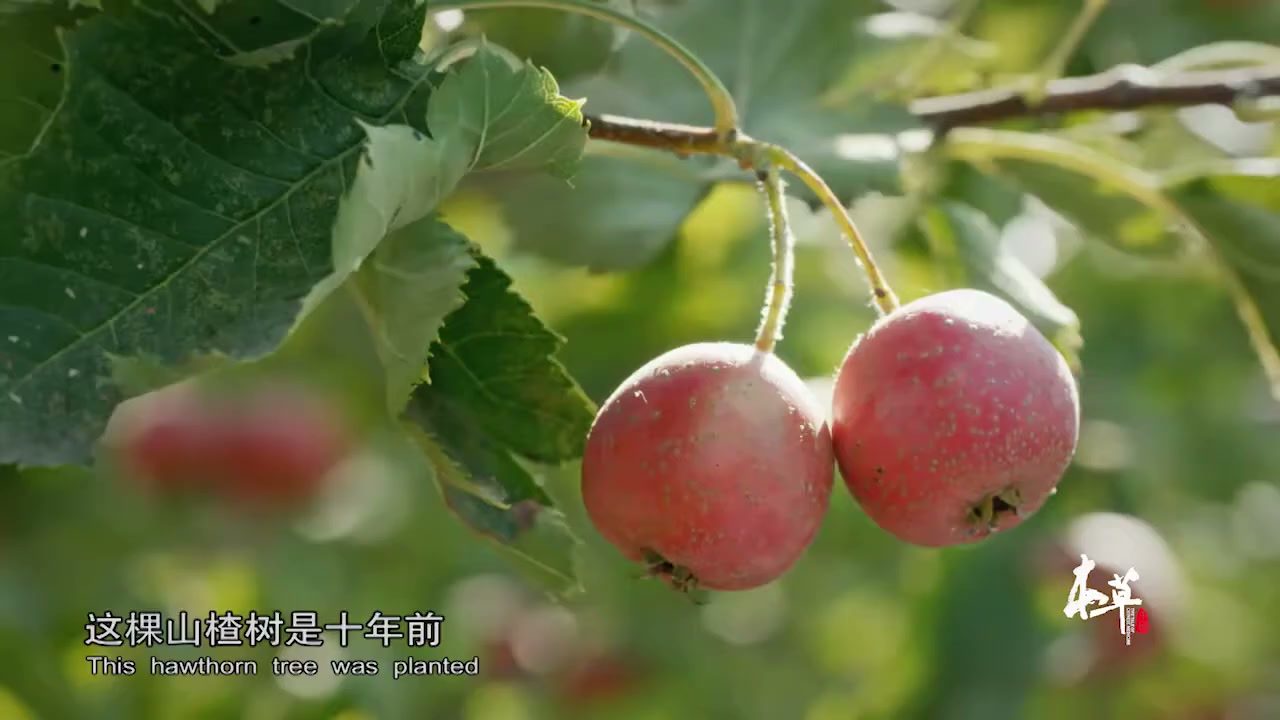
Chinese hawthorn is a thorny deciduous tree managed in orchards for clusters of red fruit. Pruning, pollination, light, and seasonal weather shape the crop over many years.
Harvest
Fruit is picked when red and mature but still firm enough to handle. Damaged or mouldy fruit is removed before the crop is washed and cut.
Processing
The fruit is sliced across the core and dried. Some preparations are toasted or charred, producing materials that should be named separately rather than treated as ordinary snack hawthorn.
Traditional uses and symptom patterns
Shan Zha is traditionally associated with food-stagnation patterns and appears in some blood-stasis formulas. Persistent abdominal pain, vomiting, weight loss, or chest symptoms need assessment.
What the evidence can and cannot say
The reviewed sources support source identity, material distinction, and the cultivation or processing account. They do not establish that this material is an effective treatment for a reader's symptoms; clinical recommendations, products, formulas, and doses remain outside this article.
Safety and interactions
Hawthorn foods and concentrated extracts are not equivalent. Extracts may interact with cardiovascular medicines, and pregnancy and long-term-use data are incomplete.
Sources
- 【FULL】《本草中国第二季》第8集拾遗:找寻最初的记忆 The Tale Of Chinese Medicine S2 EP8 Rediscovering the familiar memory
The Tale of Chinese Medicine Official Channel · Primary footage and narration for habitat, cultivation, harvest, processing, and traditional-use context.
- NCBI Taxonomy search: Crataegus pinnatifida
National Center for Biotechnology Information · Authoritative taxonomy search for the source plant.
Read next
Lotus medicines (莲子): one aquatic plant, several harvested materials
Lotus medicines · lián zǐ / lián fáng / lián xū / hé yè
Trichosanthes fruit and root (瓜蒌 / 天花粉): one vine, separate medicines
Trichosanthes fruit and root · guā lóu / tiān huā fěn
Croton residue, cinnabar, and musk (巴豆霜 / 朱砂 / 麝香): processing high-risk materials
Croton residue, cinnabar, and musk · bā dòu shuāng / zhū shā / shè xiāng
