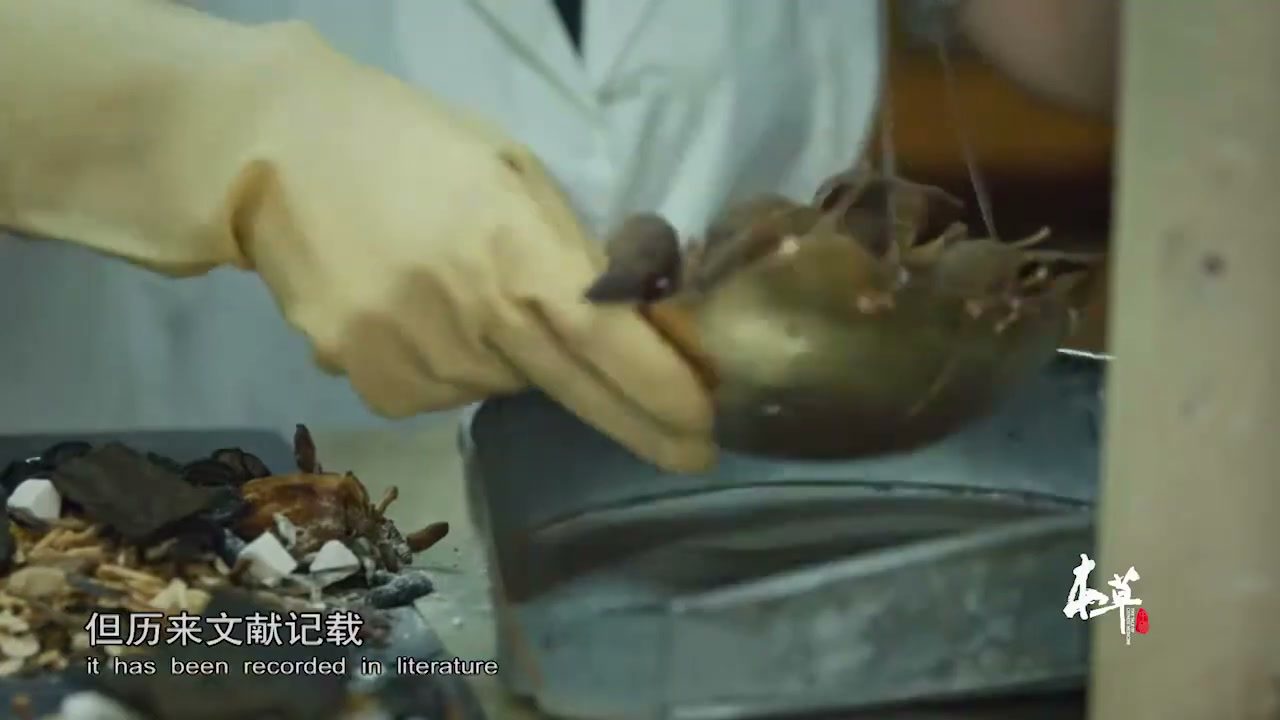
Chinese herbs ·
Medicinal leech (水蛭): aquatic farming, drying, and bleeding risk
Medicinal leech is known as shuǐ zhì in Chinese medicine. This field note centres on where the material lives or grows, how it is collected, and what processing changes before it reaches professional practice.
Where it lives and how it grows
Medicinal leeches are aquatic annelids whose development depends on water quality, temperature, shelter, food supply, and controlled breeding. Species identification is essential because not every leech is an accepted source.
Harvest
Farmed or collected animals are removed from water at the required stage and kept separate from polluted environments. Traceability matters because aquatic animals can accumulate contaminants.
Processing
Leeches are cleaned, killed by an approved method, and dried. The finished crude medicine is different from purified hirudin or other pharmaceutical products.
Traditional uses and symptom patterns
Shui Zhi is traditionally associated with strongly moving blood in fixed blood-stasis patterns. That language signals risk rather than suitability for bruising, clots, stroke prevention, or self-treatment.
What the evidence can and cannot say
The reviewed sources support source identity, material distinction, and the cultivation or processing account. They do not establish that this material is an effective treatment for a reader's symptoms; clinical recommendations, products, formulas, and doses remain outside this article.
Safety and interactions
Bleeding is the central concern. It should not be combined casually with anticoagulants, antiplatelet medicines, surgery, pregnancy, bleeding disorders, or active ulcers, and it is not suitable for home use.
Sources
- 【FULL】《本草中国第二季》第3集虫行:怪异的良药 -“The Tale Of Chinese Medicine”S2 EP3:Insects【官方高清HD】
The Tale of Chinese Medicine Official Channel · Primary footage and narration for habitat, cultivation, harvest, processing, and traditional-use context.
- NCBI Taxonomy search: Whitmania pigra
National Center for Biotechnology Information · Authoritative taxonomic reference for a recognised animal source.
