Chinese herbs ·
Centipede (蜈蚣): collecting and drying a venomous animal medicine
Centipede is known as wú gōng in Chinese medicine. This field note centres on where the material lives or grows, how it is collected, and what processing changes before it reaches professional practice.
Where it lives and how it grows
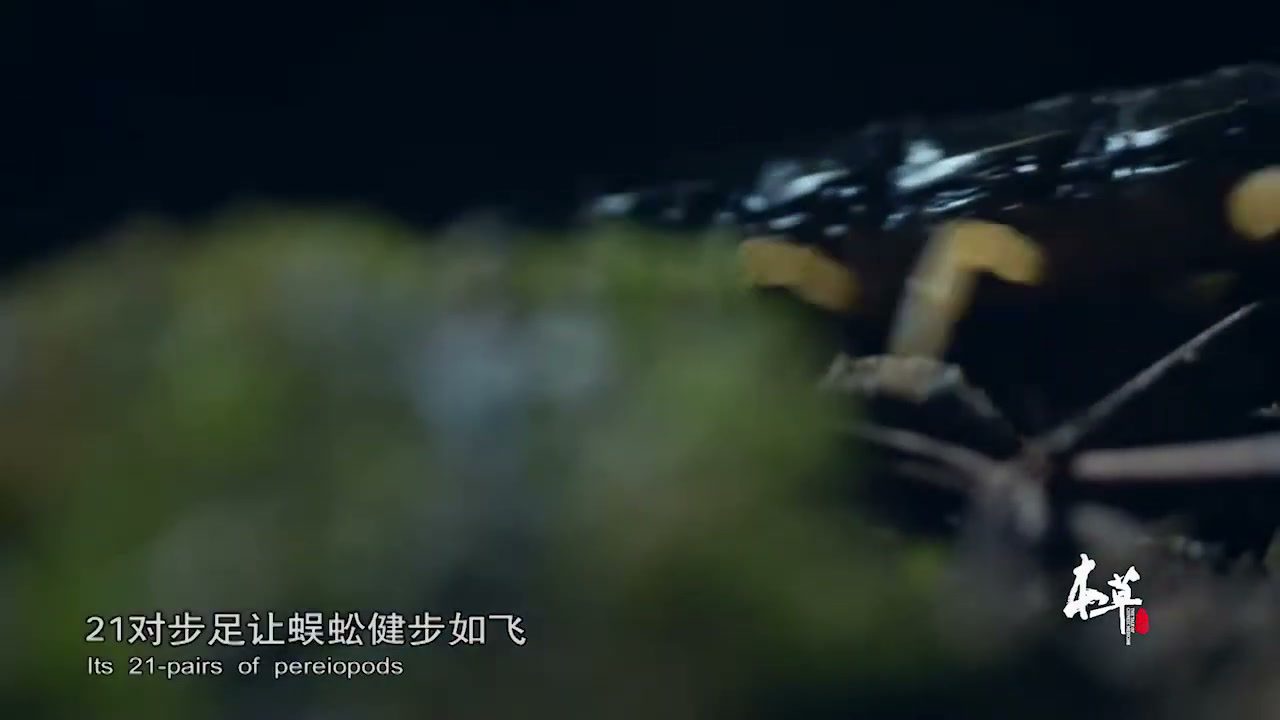
Medicinal centipedes are predatory arthropods that shelter in dark, damp spaces under stones, wood, or soil. Their venom and defensive behaviour make capture and farming occupational tasks rather than casual foraging.
Harvest
Collectors use tools and protective handling to avoid bites. Species, size, collection environment, and contamination all affect whether an animal is suitable for controlled processing.
Processing
The animals are killed by an approved method, straightened, and dried for storage. Drying does not eliminate every toxic or allergenic concern.
Traditional uses and symptom patterns
Wu Gong appears in traditional formulas for severe spasm, convulsion, fixed masses, or difficult pain patterns. These symptoms may be emergencies and are not indications for self-use.
What the evidence can and cannot say
The reviewed sources support source identity, material distinction, and the cultivation or processing account. They do not establish that this material is an effective treatment for a reader's symptoms; clinical recommendations, products, formulas, and doses remain outside this article.
Safety and interactions
Centipede venom can cause severe pain, swelling, allergic reactions, and systemic effects. The dried medicine also requires strict identification and professional dosing; home collection and preparation are unsafe.
Sources
- 【FULL】《本草中国第二季》第3集虫行:怪异的良药 -“The Tale Of Chinese Medicine”S2 EP3:Insects【官方高清HD】
The Tale of Chinese Medicine Official Channel · Primary footage and narration for habitat, cultivation, harvest, processing, and traditional-use context.
- NCBI Taxonomy search: Scolopendra subspinipes
National Center for Biotechnology Information · Authoritative taxonomic reference for the animal source.
