Chinese herbs ·
Toad venom (蟾酥): a potent secretion collected under strict control
Toad venom is known as chán sū in Chinese medicine. This field note centres on where the material lives or grows, how it is collected, and what processing changes before it reaches professional practice.
Where it lives and how it grows
Chan Su is animal-derived. Toad populations require suitable wetland habitat or controlled husbandry, and collection must avoid confusing species or damaging wild populations.
Harvest
Secretions are collected from recognised toads by trained workers. Contact with eyes, mouth, broken skin, and food surfaces must be prevented.
Processing
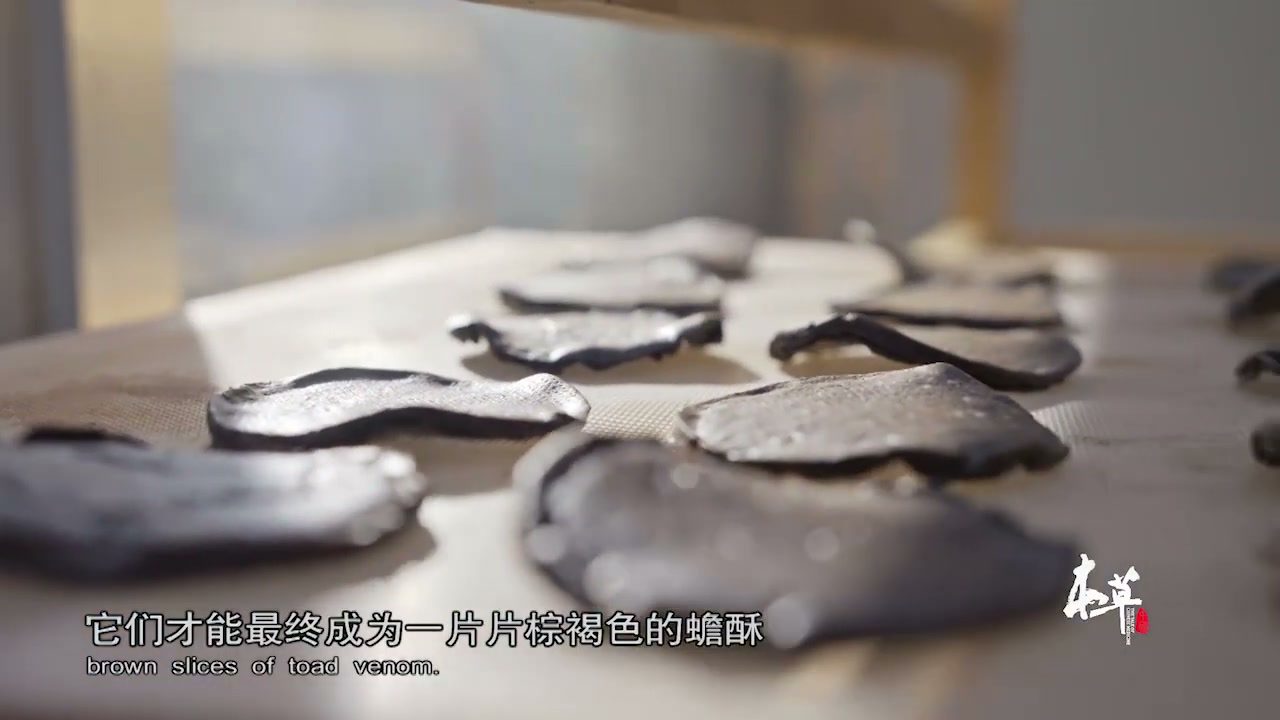
The secretion is spread or formed and dried into a highly concentrated material. Drying makes it storable; it does not make it safe for household handling.
Traditional uses and symptom patterns
Chan Su has appeared in tightly controlled formulas for severe conditions. Historical use must not be translated into advice for infections, heart symptoms, cancer, or pain.
What the evidence can and cannot say
The reviewed sources support source identity, material distinction, and the cultivation or processing account. They do not establish that this material is an effective treatment for a reader's symptoms; clinical recommendations, products, formulas, and doses remain outside this article.
Safety and interactions
Bufadienolides can cause dangerous heart-rhythm disturbance, vomiting, confusion, seizures, and death. Chan Su is not appropriate for self-prescribing, tasting, topical experimentation, pregnancy, children, or use alongside heart medicines.
Sources
- 【FULL】《本草中国第二季》第4集毒攻:危险的治疗 -“The Tale Of Chinese Medicine”S2 EP4:Medicine and poison【官方高清HD】
The Tale of Chinese Medicine Official Channel · Primary footage and narration for habitat, cultivation, harvest, processing, and traditional-use context.
- HKCMMS: Bufonis Venenum
Hong Kong Chinese Medicine Regulatory Office · Official animal source, secretion identity, processing, testing, and quality standards.
