Chinese herbs ·
Saffron (藏红花): flowers, stigmas, and careful drying
Saffron is the material known as zàng hóng huā in Chinese medicine. Its identity and quality are shaped by where it grows, when it is collected, and the processing that follows harvest.
The material and its source
Saffron comes from Crocus sativus L., in the Iridaceae family. The medicinal material is the dried stigma.
Saffron is a sterile crocus propagated from underground corms. Growers lift, sort, and replant the corms, then manage temperature and moisture so the flowers emerge together in autumn.
Harvest
Flowers are picked soon after opening because rain, heat, and delay can damage the delicate stigmas. Each bloom contains only three red stigmas, so even a small dried quantity represents many flowers.
Processing
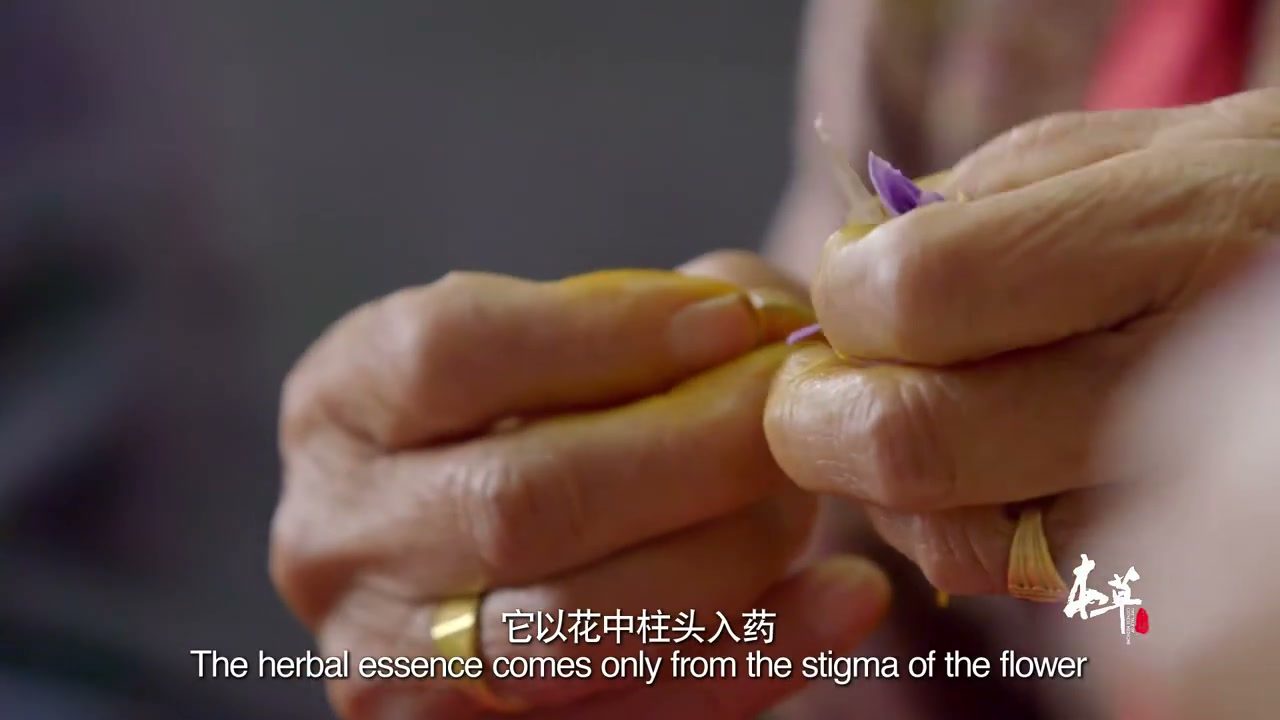
Workers open the flowers by hand, separate the red stigmas from pale floral tissue, and dry them gently. Overheating reduces aroma and colour, while incomplete drying encourages spoilage.
Traditional uses and symptom patterns
Zang Hong Hua is traditionally used in small amounts in blood-stasis formulas and is distinct from Hong Hua, the dried safflower floret. Substituting the two ignores major differences in plant, potency, and price.
What modern research has examined
An evidence-mapping review found clinical meta-analyses across several outcomes but also substantial heterogeneity and methodological weaknesses. Product quality, extract, dose, and indication vary, so the evidence does not support broad health claims for culinary or medicinal saffron.
Safety and interactions
A 2026 systematic review found that medicinal saffron was generally tolerated but adverse events, most often gastrointestinal, were reported and higher-dose or prolonged use warrants monitoring. Pregnancy, anticoagulant use, and planned surgery are reasons to avoid unsupervised medicinal dosing.
Sources
- Shanghai women's life with herbs | DO-ING short documentary | CHI-ENG sub
The Tale of Chinese Medicine Official Channel · Cultivation, harvest, processing footage, and traditional-use descriptions.
- HKCMMS: Croci Stigma
Hong Kong Chinese Medicine Regulatory Office · Official source species, plant part, harvest, drying, and identification.
- Saffron and health outcomes: a meta-research review of meta-analyses
Phytomedicine · Clinical evidence breadth, heterogeneity, and methodological limitations.
- Adverse Events of Saffron: systematic review of current evidence
Health Science Reports · Human adverse-event profile and monitoring cautions for medicinal use.
