Chinese herbs ·
Red yeast rice (红曲): fermentation, colour, and medicine
Red yeast rice is the material known as hóng qū in Chinese medicine. Its identity and quality are shaped by where it grows, when it is collected, and the processing that follows harvest.
The material and its source
Red yeast rice comes from Monascus purpureus Went, in the Monascaceae family. The medicinal material is the fermented rice.
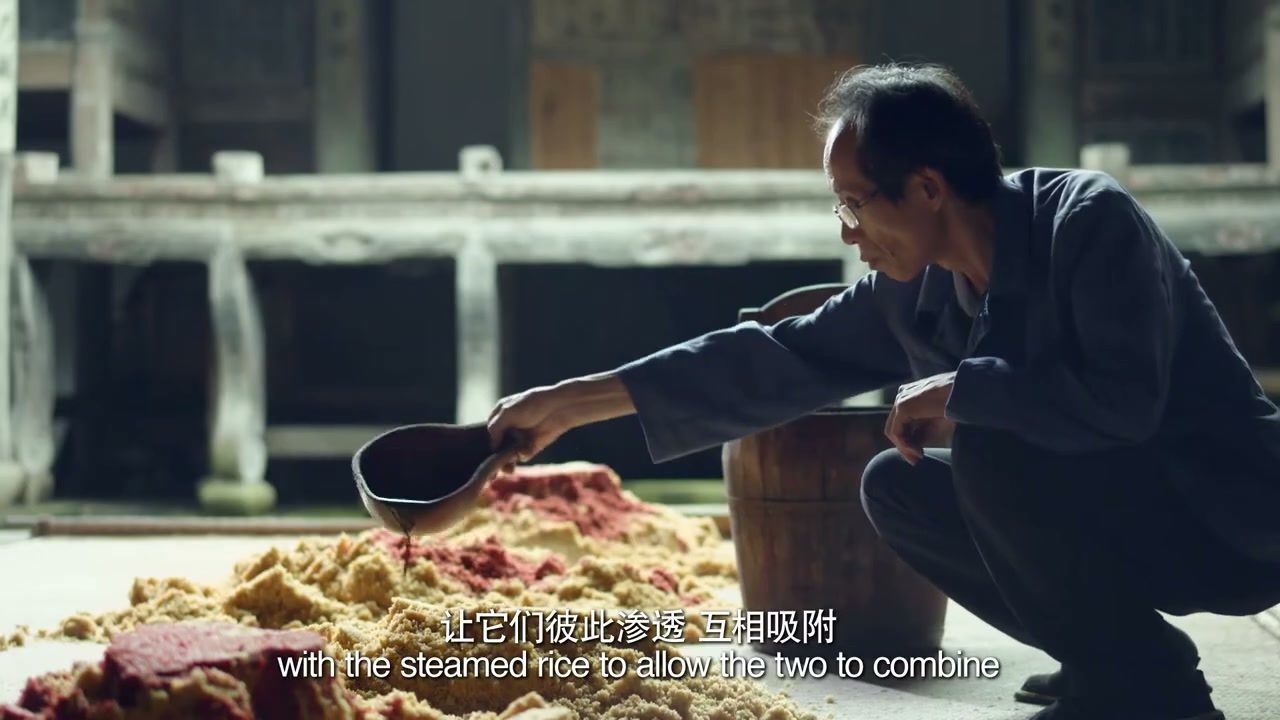
Hong Qu is not a field-grown herb. It is a fermented material made by cultivating red Monascus mould on cooked rice under controlled warmth and moisture.
Harvest
Production begins with sound long-grain rice rather than a botanical harvest. The important raw-material decisions are grain quality, soaking, steaming, and the condition of the starter culture.
Processing
Steamed rice is mixed with a mother culture and turned as fermentation develops. Makers judge heat, smell, moisture, and colour over many days before sun-drying the deep red grains.
Traditional uses and symptom patterns
Hong Qu has a long culinary history and is traditionally described in formulas for food stagnation and blood-stasis patterns. Culinary tradition does not determine the potency of a modern supplement.
What modern research has examined
Some red yeast rice products contain monacolin K, chemically identical to lovastatin, while others contain little or none. Products with meaningful amounts can lower cholesterol, but composition varies substantially and results cannot be generalized to an unlabeled product.
Safety and interactions
Products containing meaningful monacolin K can cause statin-like muscle, liver, kidney, and medicine-interaction problems. Regulators have not identified a guaranteed safe supplemental intake, and citrinin contamination can damage the kidneys. Red yeast rice is not recommended during pregnancy or breastfeeding.
Sources
- Inheritance of family beliefs | DO-ING documentary | CHI-ENG sub
The Tale of Chinese Medicine Official Channel · Cultivation, harvest, processing footage, and traditional-use descriptions.
- Red Yeast Rice
National Center for Complementary and Integrative Health · Monacolin variability, statin-like risks, citrinin contamination, interactions, and pregnancy guidance.
- Scientific opinion on the safety of monacolins in red yeast rice
European Food Safety Authority · Regulatory conclusion that no intake free of safety concern could be identified.
