Chinese herbs ·
Reishi mushroom (灵芝): from wild logs to managed cultivation
Reishi mushroom is the material known as líng zhī in Chinese medicine. Its identity and quality are shaped by where it grows, when it is collected, and the processing that follows harvest.
The material and its source
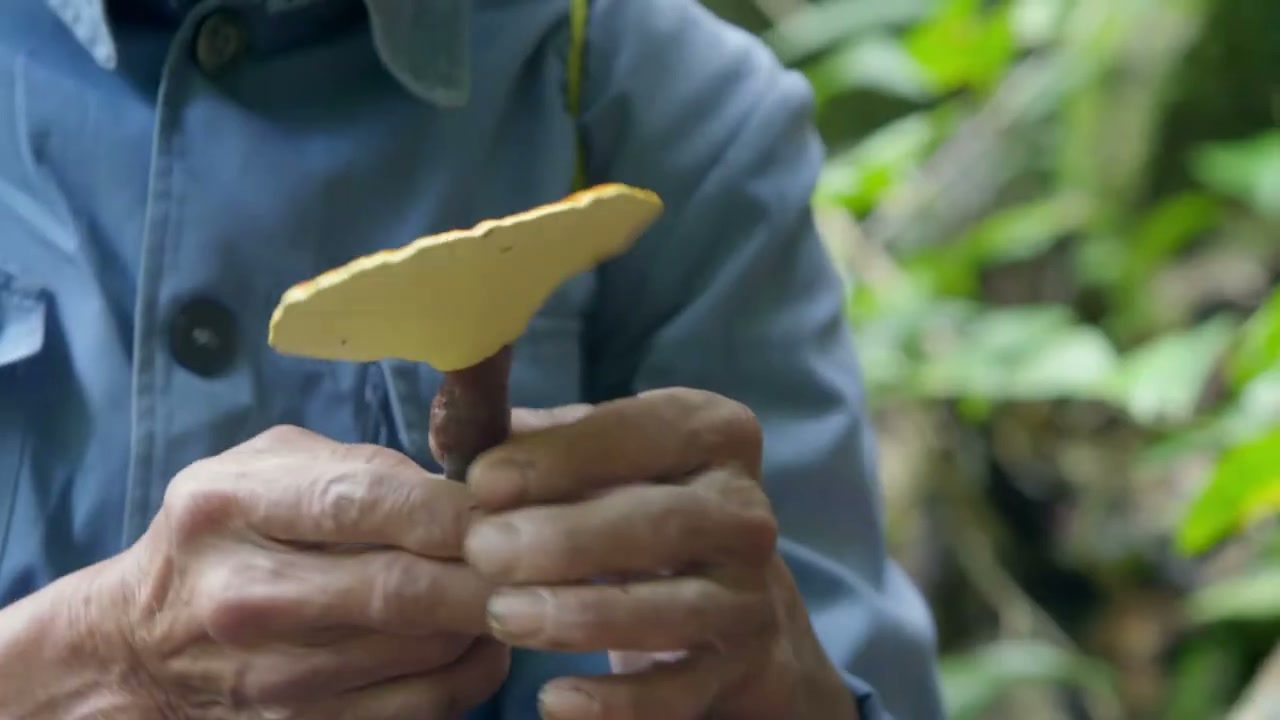
Reishi mushroom comes from Ganoderma lucidum (Curtis) P.Karst. or Ganoderma sinense J.D.Zhao et al., in the Ganodermataceae family. The medicinal material is the dried fruiting body.
Ling Zhi is a wood-decaying fungus whose fruiting bodies emerge from dead trunks and buried logs. Warmth, humidity, the host wood, and competing microorganisms all influence its growth.
Harvest
A mature cap releases clouds of microscopic spores before it ages and withers. Wild specimens are uncommon, while log cultivation lets growers manage inoculation, moisture, and harvest timing.
Processing
Fruiting bodies are cleaned, sliced if necessary, and dried. Spore powder is collected separately and may be mechanically broken, but it is a distinct product rather than a substitute for the whole mushroom.
Traditional uses and symptom patterns
Ling Zhi has been traditionally associated with fatigue, cough, sleep, and longevity-related tonic use. These cultural descriptions should not be translated into claims that it prevents cancer or prolongs life.
What modern research has examined
Cochrane reviews found insufficient reliable evidence to use Ganoderma as a first-line cancer treatment or to support cardiovascular-risk treatment. Products vary by species, substrate, extraction, and whether they contain fruiting body, mycelium, or spores.
Safety and interactions
Reported adverse effects include digestive upset, dry mouth, and allergic reactions, while reliable interaction data are limited. People receiving cancer therapy, anticoagulants, or immunosuppressive treatment should discuss any Ganoderma product with their clinical team.
Sources
- Food as medicine | DO-ING documentary | CHI-ENG sub
The Tale of Chinese Medicine Official Channel · Cultivation, harvest, processing footage, and traditional-use descriptions.
- HKCMMS: Ganoderma
Hong Kong Chinese Medicine Regulatory Office · Official source species, fruiting-body identity, and processing.
- Ganoderma lucidum (Reishi mushroom) for cancer treatment
Cochrane Database of Systematic Reviews · Low-certainty clinical evidence and rejection of first-line cancer-treatment claims.
- Ganoderma lucidum mushroom for the treatment of cardiovascular risk factors
Cochrane Database of Systematic Reviews · Insufficient evidence for cardiovascular-risk treatment.
