Chinese herbs ·
Zuo Tai mercury preparation (佐太): a specialist mineral process, not a household medicine
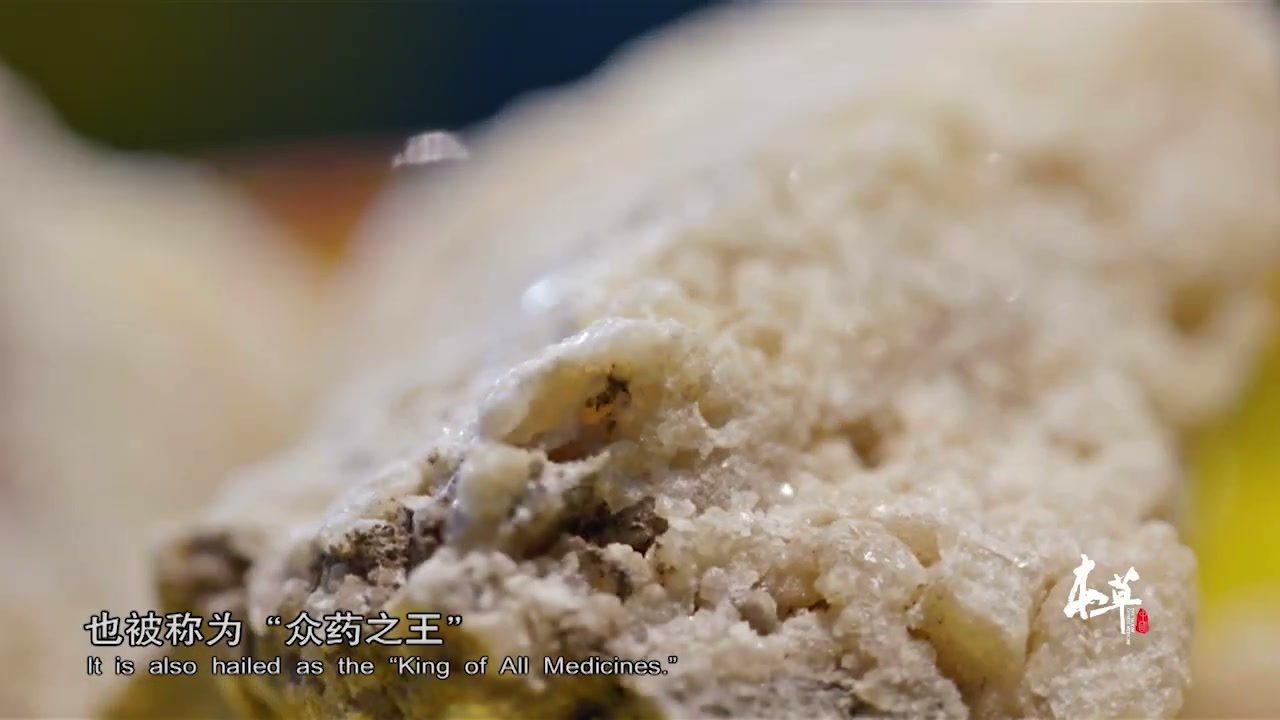
Zuo Tai mercury preparation is known as zuǒ tài / shuǐ yín in Chinese medicine. This field note centres on where the material lives or grows, how it is collected, and what processing changes before it reaches professional practice.
Where it lives and how it grows
Zuo Tai is not grown. Its ingredients originate from mined minerals and selected plant or animal materials, each requiring identity, purity, and contamination controls before the specialist process begins.
Harvest
The equivalent of harvest is traceable acquisition of ores and other ingredients. Mercury source, impurities, and environmental handling are critical because releases can affect workers and surrounding communities.
Processing
The documentary shows repeated, specialised purification and combination steps within a Tibetan medical tradition. A historical processing method cannot be assumed to remove all toxicological concern.
Traditional uses and symptom patterns
Zuo Tai is used only within specific professional traditions and formulations. This article does not translate that practice into a symptom list or recommendation.
What the evidence can and cannot say
The reviewed sources support source identity, material distinction, and the cultivation or processing account. They do not establish that this material is an effective treatment for a reader's symptoms; clinical recommendations, products, formulas, and doses remain outside this article.
Safety and interactions
Mercury can damage the nervous system, kidneys, lungs, and developing fetus. Mercury-containing preparations should not be purchased or used casually, and suspected exposure requires medical or poison-centre advice.
Sources
- 【FULL】《本草中国第二季》第4集毒攻:危险的治疗 -“The Tale Of Chinese Medicine”S2 EP4:Medicine and poison【官方高清HD】
The Tale of Chinese Medicine Official Channel · Primary footage and narration for habitat, cultivation, harvest, processing, and traditional-use context.
- Mercury and health
World Health Organization · Authoritative public-health summary of mercury exposure routes and health risks.
Read next
Croton residue, cinnabar, and musk (巴豆霜 / 朱砂 / 麝香): processing high-risk materials
Croton residue, cinnabar, and musk · bā dòu shuāng / zhū shā / shè xiāng
Gypsum (石膏): mining, crushing, and distinguishing a mineral medicine
Gypsum · shí gāo
Mugwort leaf (艾叶): field growth, harvest, and patient ageing
Mugwort leaf · ài yè
