Chinese herbs ·
Gypsum (石膏): mining, crushing, and distinguishing a mineral medicine
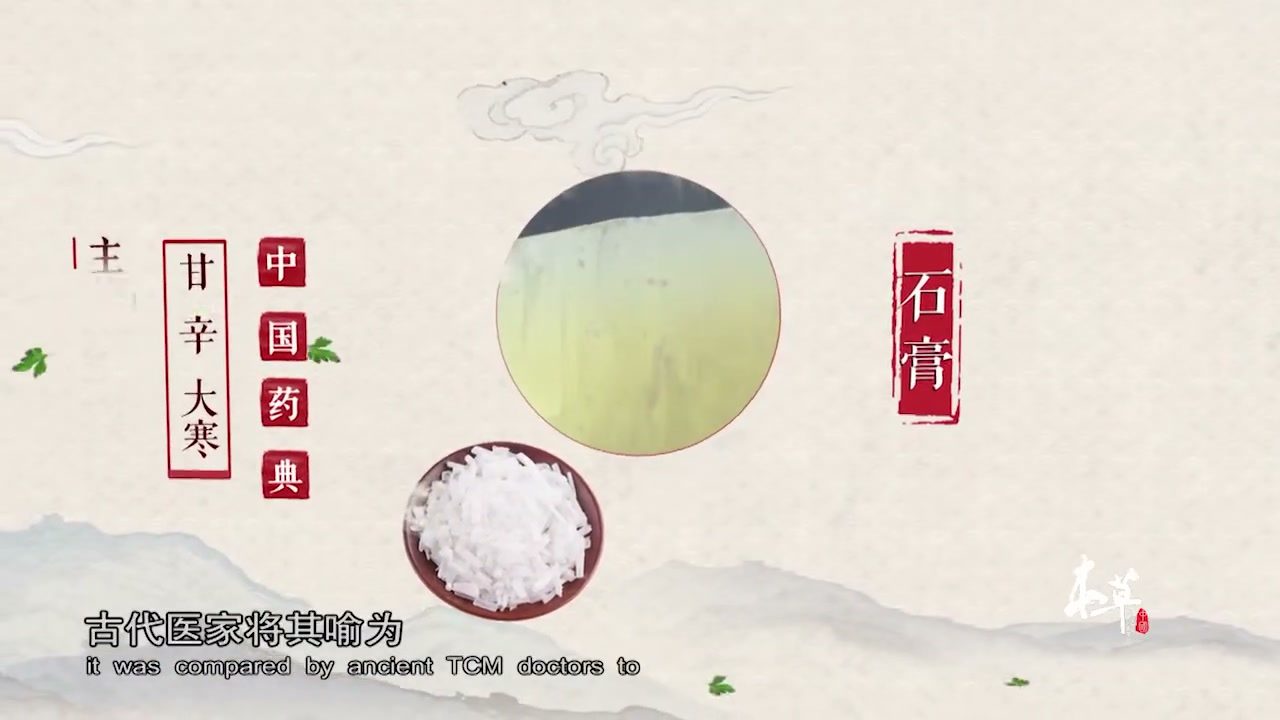
Gypsum is known as shí gāo in Chinese medicine. This field note centres on where the material lives or grows, how it is collected, and what processing changes before it reaches professional practice.
Where it lives and how it grows
Gypsum does not grow. It forms as a mineral deposit through geological processes involving water and calcium-rich sediments, often over very long periods.
Harvest
The material is quarried rather than picked. Medical use requires a suitable mineral source, removal of surrounding rock, and testing for identity and contaminants.
Processing
Raw medicinal gypsum is cleaned and crushed. Calcining changes its water content and physical properties, so raw Shi Gao and calcined gypsum are not interchangeable.
Traditional uses and symptom patterns
Shi Gao appears in traditional formulas for intense heat patterns involving high fever, thirst, sweating, or irritability. High fever and altered consciousness require urgent medical evaluation.
What the evidence can and cannot say
The reviewed sources support source identity, material distinction, and the cultivation or processing account. They do not establish that this material is an effective treatment for a reader's symptoms; clinical recommendations, products, formulas, and doses remain outside this article.
Safety and interactions
Construction-grade plaster is not medicinal gypsum. Identity, particle contamination, kidney function, and the rest of a formula matter; self-treatment of fever with mineral powder is unsafe.
Sources
- 【FULL】《本草中国第二季》第8集拾遗:找寻最初的记忆 The Tale Of Chinese Medicine S2 EP8 Rediscovering the familiar memory
The Tale of Chinese Medicine Official Channel · Primary footage and narration for habitat, cultivation, harvest, processing, and traditional-use context.
- PubChem: Calcium sulfate dihydrate
National Center for Biotechnology Information · Authoritative chemical identity and physical information for gypsum.
Read next
Croton residue, cinnabar, and musk (巴豆霜 / 朱砂 / 麝香): processing high-risk materials
Croton residue, cinnabar, and musk · bā dòu shuāng / zhū shā / shè xiāng
Zuo Tai mercury preparation (佐太): a specialist mineral process, not a household medicine
Zuo Tai mercury preparation · zuǒ tài / shuǐ yín
Mugwort leaf (艾叶): field growth, harvest, and patient ageing
Mugwort leaf · ài yè
