Chinese herbs ·
Cicada slough (蝉蜕): collecting an empty shell after emergence
Cicada slough is known as chán tuì in Chinese medicine. This field note centres on where the material lives or grows, how it is collected, and what processing changes before it reaches professional practice.
Where it lives and how it grows
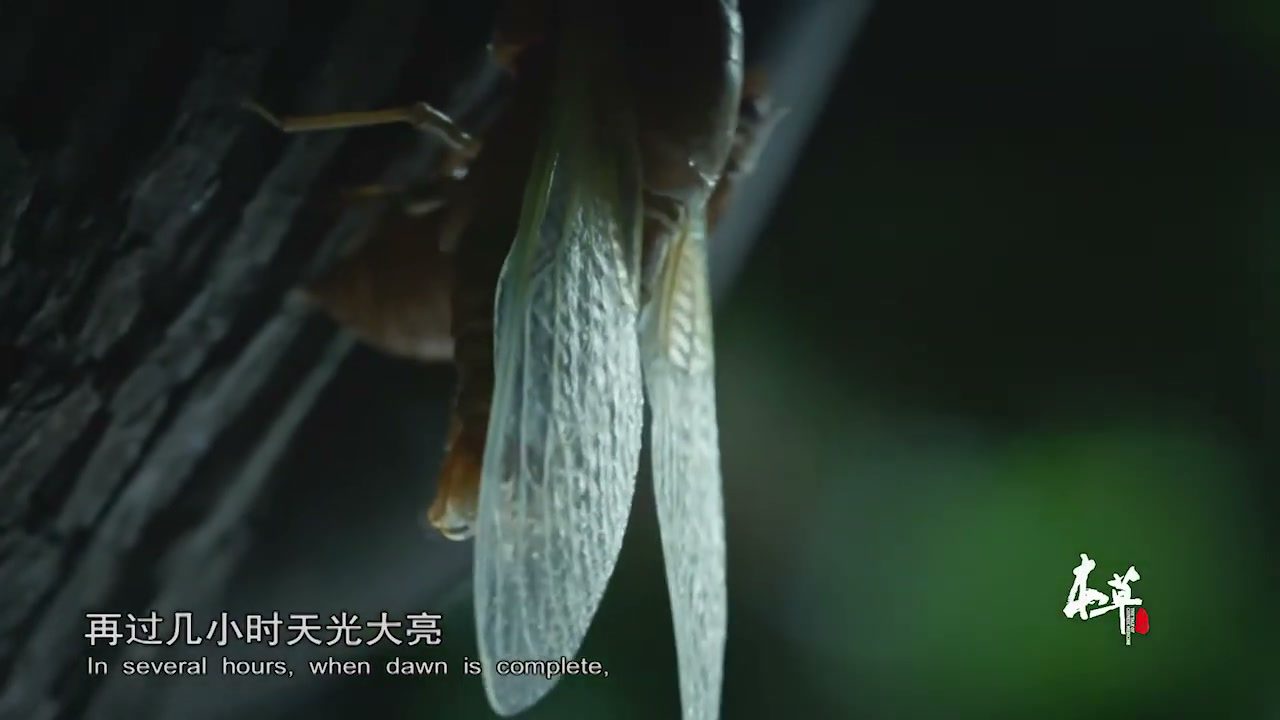
Cicada nymphs spend years underground feeding on plant-root fluids. When mature, they climb a trunk or structure, split the old exoskeleton, and emerge as winged adults, leaving the empty shell behind.
Harvest
Collectors gather intact sloughs from trunks, vegetation, and ground surfaces after emergence. Material exposed to mud, pesticides, mould, or other insects must be rejected.
Processing
The light shells are cleaned of soil and debris and dried thoroughly. They are an exuvia, not a living insect and not interchangeable with other cicada-derived products.
Traditional uses and symptom patterns
Chan Tui appears in traditional formulas for sore throat, rash, itchy eyes, or spasm patterns. Rash, breathing difficulty, fever, or seizure may require urgent assessment.
What the evidence can and cannot say
The reviewed sources support source identity, material distinction, and the cultivation or processing account. They do not establish that this material is an effective treatment for a reader's symptoms; clinical recommendations, products, formulas, and doses remain outside this article.
Safety and interactions
Insect allergy, environmental contamination, and species substitution are concerns, while human interaction and pregnancy data are sparse. It is not appropriate for unexplained neurological symptoms.
Sources
- 【FULL】《本草中国第二季》第8集拾遗:找寻最初的记忆 The Tale Of Chinese Medicine S2 EP8 Rediscovering the familiar memory
The Tale of Chinese Medicine Official Channel · Primary footage and narration for habitat, cultivation, harvest, processing, and traditional-use context.
- NCBI Taxonomy search: Cryptotympana
National Center for Biotechnology Information · Authoritative taxonomic reference for the cicada source group.
